
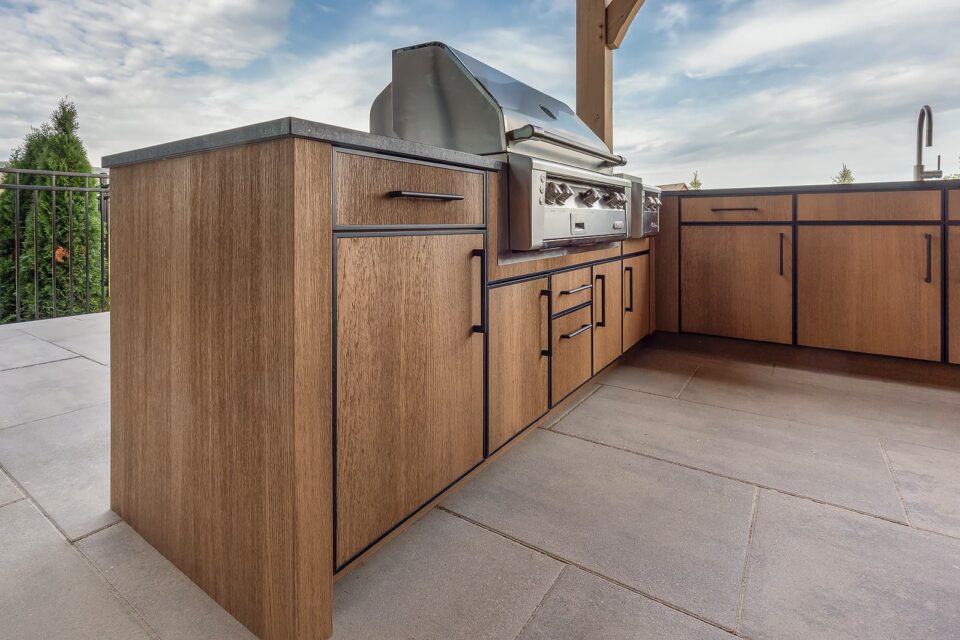
Creating an outdoor kitchen is a dream for many homeowners who love entertaining and cooking in the great outdoors. However, choosing the right material for your outdoor kitchen cabinets and structure is critical for durability, maintenance, and style. Among the top contenders—solid wood, plywood, and stainless steel—which material stands supreme for modern outdoor kitchens? This blog will break down the pros and cons of each while focusing on why stainless steel outdoor kitchens often end up as the clear winner.
The Challenges of Outdoor Kitchens
Outdoor kitchens face a unique set of challenges, including exposure to fluctuating temperatures, humidity, UV rays, rain, and even pests. That’s why the material you choose has to be able to stand up to these elements while maintaining its functionality and appearance over time.
Solid Wood Outdoor Kitchens
Solid wood brings rustic charm and a natural aesthetic that many homeowners adore. Materials like teak or cedar are often used due to their natural resistance to moisture and decay. However, while gorgeously appealing, wood has limitations when placed outdoors:
Pros
Appearance: Solid wood exudes warmth, elegance, and a natural vibe that complements outdoor spaces.
Durability: High-quality hardwoods like teak and ipe are more resistant to weather conditions compared to softwoods.
Customizability: Wood can easily be shaped, finished, and stained to match any design preference.
Cons
Maintenance: Wood requires regular sealing, staining, or refinishing to prevent damage from moisture, UV rays, and pests.
Vulnerability: Even durable hardwoods can warp, crack, or rot if improperly cared for.
Cost: Exotic hardwoods can be prohibitively expensive, especially for larger outdoor kitchens.
Plywood Outdoor Kitchens
Plywood is commonly used as a budget-friendly option for kitchen cabinets. While it is versatile and cost-effective for indoor kitchens, its weaknesses become evident in outdoor environments.
Pros
Affordability: Plywood is significantly cheaper than solid wood, making it a good choice for lower budgets.
Customizability: Similar to solid wood, plywood can be finished and laminated to achieve various styles.
Lightweight: Plywood is easier to work with due to its lighter weight compared to hardwood.
Cons
Low Durability: Plywood is not designed to withstand high humidity or prolonged exposure to water. Even marine-grade plywood has limitations over time.
High Maintenance: Without proper waterproofing and frequent upkeep, plywood can swell, delaminate, or weaken.
Limited Lifespan: Outdoor kitchens made of plywood may require replacement much sooner than wood or stainless steel options.
Stainless Steel Outdoor Kitchens
When it comes to functionality, longevity, and style, stainless steel often emerges as the superior choice for outdoor kitchens. This material is specifically designed to withstand harsh conditions and resist damage, making it highly suitable for the outdoors.
Pros
- Exceptional Durability
Stainless steel is highly resilient to the elements. It doesn’t warp, crack, or rot like wood, nor does it delaminate or degrade like plywood. Its resistance to moisture and rust makes it ideal for outdoor environments, especially in humid or coastal areas.
- Low Maintenance
Unlike wood or plywood, stainless steel requires minimal upkeep. A quick wipe with a cloth and some soapy water will keep stainless steel cabinets looking fresh and polished. No sealing, staining, or frequent refinishing required.
- Modern Aesthetic
Stainless steel provides a sleek, contemporary look that complements modern outdoor kitchens. It pairs beautifully with stone countertops, stainless steel appliances, and minimalist designs.
- Hygienic
Stainless steel has non-porous properties, meaning it doesn’t absorb bacteria, odors, or food particles. This makes it an especially hygienic choice for outdoor cooking areas.
- Fire Resistance
Stainless steel won’t burn or catch fire, making it a much safer choice for outdoor kitchens that incorporate grills, smokers, or pizza ovens.
- Long-Term Investment
Though stainless steel may have a higher upfront cost, its longevity and durability make it a great investment over time. Many premium stainless steel cabinets come with warranties, offering peace of mind for years to come.
Cons
While stainless steel has many advantages, it’s important to consider:
Higher Cost: Stainless steel cabinets are typically more expensive than plywood or wood. However, the lifespan of the material offsets this initial investment.
Potential for Scratches: Stainless steel surfaces can show scratches or fingerprints more easily than wood. Using brushed or textured finishes can minimize this issue.
Heat Retention: Stainless steel can absorb heat on sunny days, making it warm to the touch. Proper placement or shade structures can mitigate this problem.
Why Stainless Steel Reigns Supreme
When comparing solid wood, plywood, and stainless steel for outdoor kitchens, stainless steel consistently outperforms the competition in key areas—durability, maintenance, and aesthetics. Here’s why stainless steel deserves the crown:
Long-Lasting Durability: Stainless steel doesn’t warp, rot, or degrade even in extreme weather. It will outlast both solid wood and plywood, saving homeowners money in the long run.
Effortless Cleaning: Its non-porous surface is perfect for maintaining cleanliness in outdoor cooking spaces.
Timeless Design: Whether you’re going for a modern, industrial, or professional look, stainless steel offers unbeatable versatility in style.
Ultimately, the best material for your outdoor kitchen depends on your budget, design goals, and how much time you’re willing to invest in maintenance. While solid wood and plywood have their strengths, stainless steel outdoor kitchens boast unbeatable durability, ease of upkeep, and modern appeal that make them worth the investment.
