
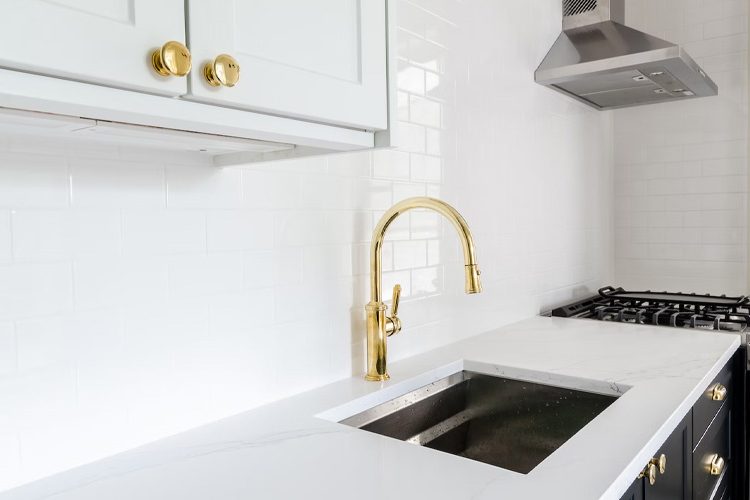
Every kitchen sink endures a gauntlet of heat, moisture, cleaning chemicals, and heavy use every day – yet homeowners often treat it like a low-maintenance afterthought. In reality, proper sink care matters enormously. The corrosion-resistant steel bowl is protected by an invisible chromium-oxide “skin,” but this passive film can be compromised by scratches, chemicals, or deposits. If this oxide layer is damaged or obscured by residues, the exposed stainless beneath can begin to rust or pit. In fact, experts note that the stainless steel will self-heal its protective layer in normal conditions, but that “self-healing effect … can be severely interrupted when chlorides are present” . In plain terms, splashes of salt, bleach, or tomato juice left on the surface can create localized chloride-rich spots that eat away at the steel. Without vigilance, even a high-quality sink can become a rust magnet. As one kitchen guide warns, a well-maintained stainless sink can last 15–30 years, but poor maintenance and abuse will dramatically shorten its life . In short, treating your sink carelessly leads to stains, pits, and premature replacement that could have been avoided.
Why Proper Sink Care Matters More Than People Realize
A kitchen sink is more than just a receptacle; it’s part of a precision-engineered system. The alloy mix in stainless sinks (typically 304 or 316 grade) relies on a thin chromium-rich oxide film to resist corrosion. This film is like a microscopic shield: when it’s intact, water and acids stay out, and the steel remains gleaming. However, if that film is scratched or chemically attacked, the steel beneath is exposed. Once exposed, even small iron sites begin to oxidize. Over time this leads to classic “tea stains” (iron oxide spots) or full-blown pitting. In fact, studies show that environments with chloride (Cl–) – from table salt, pool chemicals, or bleach – are prime drivers of stainless pitting . And because kitchen sinks often see salted water, produce juices, or household cleaners, they are vulnerable. Proper care — gentle cleaning, quick rinsing of spills, and drying after use — keeps the protective film regenerated. Neglect that and localized corrosion starts. As a housewares specialist summarizes, even though stainless is promoted as “stainless,” its protective oxide layer still requires preservation. Damage or residue that prevents oxygen from reaching the metal will trigger corrosion .
Every mistake below chips away at that protective film or embeds contaminants. By understanding the science – from micro-abrasion to thermal stress – you can see why a small oversight (like leaving a salty sponge overnight) can scale up into a ruined sink. In short, these aren’t just cosmetic issues; they undermine the sink’s engineered durability. Even the highest end companies like Dornbracth, Kohler , and Crauf warn their customers about the proper maintenance and care about their products.
Mistake #1: Using Harsh Abrasive Cleaners
It might seem logical to blast the sink with a heavy-duty scrub, but this accelerates wear. Abrasive powders and creams (like scouring cleanser) contain hard particles (often silica or metal oxides) that scratch the steel’s finish. Each micro-scratch gouges into the chromium oxide layer. Over time, these countless tiny grooves dull the shine and become trap spots for dirt and chlorides. From a materials standpoint, each scratch is like peeling back a bit of the protective film. As a stainless-steel care guide notes, such abrasion “shortens the lifespan of your kitchen sink and ruins its appearance” . Even worse, the fresh metal at the bottom of scratches oxidizes quickly, causing dull gray patches or rust freckles.
Moreover, some abrasive cleaners use strong chemicals that further eat at the steel. For example, common household cleansers often contain sodium hypochlorite (bleach) or sodium hydroxide. As one expert points out, bleach can literally “eat through” the oxide layer . Repeated use – or leaving an abrasive cleaner on too long – leads to the steel looking dull, stained, or even pitted . In effect, you’ve stripped the rust protection. The American Cleaning Institute similarly cautions that only abrasive action can wear stainless; cleanling itself doesn’t hurt it – but cleaning with abrasives does .
Engineering Insight: When you scour, microscopic peaks of steel are pulled away. This is called micro-abrasion. Imagine a magnified image of a brushed finish: instead of smooth, parallel grain lines, you’d see jagged crossings. Those tiny terraces hold moisture and salts more readily. To keep the chromium film intact, use only mild detergents (pH-neutral dish soap) and soft cloths. Save the heavy scrubbing for pots and pans, not the sink bowl.
Mistake #2: Leaving Wet Sponges, Pads or Metal Items Overnight
Letting anything sit wet on a stainless sink invites trouble. A sponge or dishcloth left in the basin stays in constant contact with water, soap and food residue, creating a mini-corrosive bath against the metal. Similarly, steel wool pads or damp metal utensils placed in the sink can deposit rust (they may even leave fine iron filings embedded in the surface). Industry guidelines emphatically warn: “Avoid leaving … wet sponges, cloths and cleaning pads to sit in the sink” because trapped food particles and moisture will cause discoloration .
For example, cast-iron or carbon-steel cookware is notoriously bad to leave in a stainless sink. Iron rust easily, and rust particles cling to any stainless surface they touch. One manufacturer explicitly advises never letting a cast-iron pan or griddle sit in the sink because “they release a lot of rust particles that can bind to the surface” . If you’ve ever seen those orange-brown speckles in a sink bowl, it was likely from rusted ironware sitting overnight.
Even a wet sponge is dangerous. Underneath that sponge is a dark, damp corner where oxygen can be depleted, and residual detergents or bleach linger. This forms a crevice-cell environment: little pockets of concentrated chemicals attack the steel locally. Over time, this can initiate tiny pits right under the sponge. In short, even “inert” kitchen items can lead to localized corrosion if they trap moisture. The fix is simple: never let damp items lie in the sink. Rinse and wring sponges or cloths and hang them dry, and promptly remove steel pads or utensils.
Mistake #3: Pouring Boiling Water Directly into Certain Sinks
Extreme temperature changes stress sink materials. Many homeowners pour pasta water or coffee dispenser-heating water straight into the kitchen sink without thinking, but this can be a mistake – depending on the sink type. Ceramic, porcelain, glass, and composite sinks are vulnerable to thermal shock. They may tolerate one-off heat, but repeated boiling water can cause cracks or weakening over time. For instance, porcelain sinks can literally crack or craze when hit with sudden heat (the glaze can “weaken,” allowing cracks to form) . Solid-surface or quartz composite sinks use polymer binders that can delaminate; repeated boiling-water baths can “weaken adhesives” and even warp the basin .
In contrast, stainless steel is very heat-resistant. Experts note that kitchen stainless sinks are generally safe with boiling water – in fact, one remodeling guide states “a stainless steel kitchen sink is your safest option” for disposal of hot liquids . (Stainless steel can handle up to several hundred degrees, and its thermal expansion is relatively low.) However, even some steel sinks can show subtle effects: frequent exposure to boiling water may eventually cause slight discoloration or warping in low-grade steels . The bigger hazard in a stainless sink is not the bowl itself but the plumbing underneath – for example, very hot water can weaken PVC drain pipes or rubber seals.
Engineering Insight: The danger is all about expansion stress. A rapid jump from room temperature to 100°C creates thermal gradients in the material. In brittle sink materials (ceramic, granite composites, etc.), this can exceed the material’s tensile strength at the hottest spots, causing fractures. Even in steel, weld seams or mounting clips may get torqued. The best practice is to mix hot water with cool water when dumping it, or slowly pre-warm the sink by running warm tap water first. That way, you avoid sudden thermal shocks.
Mistake #4: Using the Wrong Chemicals (Bleach, Chlorides, Acids)
Many common cleaning agents can chemically attack a sink’s finish. Household bleach (sodium hypochlorite) is one of the worst culprits. It releases chloride ions, which are infamous for punching through stainless’s passive layer. In laboratory tests and facility maintenance studies, frequent bleach exposure led directly to pitting corrosion of stainless drain traps . Even mild contact with undiluted bleach can “eat through” the oxide film . The result is dull patches, rainbow discoloration, or tiny pits that never heal.
Similarly, any chemistry with high chloride content – think pool chlorine tabs, salty brine, or ocean spray – can induce pitting. As Swagelok corrosion experts explain, higher Cl⁻ concentration (like droplets of saltwater drying on a sink) “are likely to cause pitting corrosion” by breaking down the chromium-rich layer . In practical terms, don’t let salt piles, saltwater, or rinse water with heavy salt sit on the sink.
Acids and strong alkalies are hazardous too. Vinegar (acetic acid) and lemon juice (citric acid) will softly etch stainless if left on the surface for long enough. Higold Sink Care notes that citrus juices and vinegar “can corrode the surface of the stainless steel sink” if contact is extended . Even tomato products (full of citric and malic acid) can create faint etch-marks over time. Strong commercial acids – bathroom cleaners with hydrochloric or sulfuric acid – will rapidly dissolve chrome oxide, causing severe pitting or even material loss. Likewise, caustic cleaners (ammonia or lye-based) can attack the finish if not fully rinsed. In summary: stick to mild cleaners. If you do use bleach or acidic solutions (e.g. to unclog a drain), rinse immediately with copious water. And for any chemical spill, wash the sink quickly. The why is always: these chemicals alter pH and poison the passive layer, making even “stainless” steel behave like ordinary iron.
Mistake #5: Ignoring Water Spots & Hard Mineral Buildup
Hard water is another silent enemy. When water containing calcium and magnesium evaporates on a sink, it leaves a whitish crust of minerals. Left unpolished, this film can thicken and start obscuring the finish. Initially it’s mostly cosmetic – just dull-looking – but as it accumulates, it makes cleaning exponentially harder. The minerals can even trap moisture underneath, promoting localized corrosion over time. One stainless care guide describes this white residue: “When water evaporates, the minerals stick to the steel, creating a whitish or cloudy residue” . While not immediately dangerous, if these spots are ignored, they become stubborn.
In areas with very hard water (or iron-rich water), sinks can even develop brownish rust-like stains. Moen warns that “in areas with high concentration of minerals, a white film may appear,” and with high iron content, a brown stain (often mistaken for rust) can form . Their advice: always dry the sink after use under these conditions. This simple habit prevents water from standing and depositing. In fact, drying the basin is a recommended maintenance tip for hard-water regions . If spots do form, cleaning with diluted vinegar or a lime remover (and gentle scrubbing) will remove scale, but prevention by wiping is key.
Engineering Insight: These mineral deposits are insulators: they keep water and ions pressed against the steel in one place. If the film is thick enough, it can create a micro-crevice where oxygen is depleted – a perfect recipe for aggressive crevice corrosion, which under-deposits is similar to pitting. By neglecting simple drying, you inadvertently encourage corrosion in those crevices. In other words, a clean, dry sink is a well-oxygenated sink, and the chromium layer stays healthy.
Mistake #6: Using Metal Scourers on Brushed Finishes
Brushed stainless steel sinks have a deliberately fine-grain satin texture. It looks elegant, but it’s exactly what’s ruined by steel wool or metal scrub pads. Such metal scourers are too aggressive. Each brushing pad stroke etches random scratches over the grain. This “micro-abrasion” destroys the uniform brushed pattern and opens up the chromium layer to attack. Moen’s care instructions explicitly warn: “DO NOT USE steel wool pads to clean your sink. This can cause rust or pitting of the sink surface.” .
To put it another way, imagine magnifying the sink: the brushed finish would show smooth, aligned lines. After a few passes with a steel pad, you’d see crisscrossing ravines. These grooves both dull the finish and act as seedbeds for corrosion. Worse, tiny steel fibers get left behind. As Lipka Home explains, those embedded iron particles “have the risk of oxidizing and producing ugly, difficult-to-remove rust patches” . In other words, you not only scratched the sink, but you literally painted it with rust-making material.
Engineering Insight: Every metal pad swipe causes plastic deformation at the micro-level. The chromium oxide gets fractured and torn away. While the sink might still function physically, its corrosion resistance is greatly reduced. For brushed or matte sinks, only use non-abrasive sponges or cloths. Save the brute force scourers for cast-iron pans – not your delicate sink surface.

Mistake #7: Tossing Heavy Pots or Pans into the Bowl
It’s tempting to throw a cast-iron pan or heavy pot into the sink after use, but this can dent or even warp the bowl. Impact forces from heavy cookware concentrate at the strike point. In a thin-gauge sink (18 or 20 gauge steel), these forces can easily dent the metal. Even in sturdier sinks, dropping enough weight can distort the basin or cause micro-cracks around welds or mounting points. The impact can also chip any protective coating (if present) or enamel.
Sink gauge matters here. Industry advice is clear that a thicker sink is more dent-resistant. For example, a detailed sink guide notes that a 16-gauge stainless sink is ideal for heavy use – it’s thicker and “more durable … making it ideal for handling large pots and pans” . In contrast, an 18-gauge sink (common in budget models) is significantly thinner and will bounce more under impact. A lower-gauge (thinner) sink “is less likely to dent or scratch” . In practice, even a single strong hit can leave a permanent ding or metal fatigue, which not only looks bad but provides new sites for corrosion.
As a rule: carefully lower large cookware into the sink rather than dropping it. If you have an under-mount sink, abrupt jolts can also stress the silicone or clips holding it – leading to leaks later. So, treat your sink bowl as gently as a plate when placing heavy items.
Mistake #8: Letting Food Acids Sit (Lemon, Vinegar, Tomato)
Acidic foods and condiments are everywhere in the kitchen. A forgotten lemon half, a spilled marinara pot, or a vinegar-soaked sponge can be more harmful than you think. These acids (citric in citrus, acetic in vinegar, and various organics in tomato) slowly react with stainless steel. If they sit long enough – especially on an already scratched surface – they will etch or pit the metal.
Manufacturers warn that this happens. In fact, a sink-care article notes that lemons and oranges are “highly acidic” and can affect the stainless surface if left too long, especially where micro-scratches exist . Likewise, undiluted vinegar or tomato paste left to dry can create brownish or grayish marks on the sink. These aren’t just stains – they are early corrosion. (The damage is usually light, but given time it compounds.) The sink’s response is similar to dropping acid on aluminum: the protective layer dissolves at that spot until nothing is left.
Preventive Tip: Always rinse the sink after cutting or juicing acidic foods. Wipe up spills immediately. Do not leave drained lemons or dirty dishes in the sink. If you do notice an acid stain, neutralize it by rinsing with a baking soda paste and water to buffer the pH, then clean gently.
Mistake #9: Incorrect Cutting Board Use
A cutting board is for cutting – the countertop or its own surface, not the sink bowl. Using a cutting board improperly in or on the sink can backfire. For example, some sinks offer fitted wood or plastic boards. If those aren’t seated properly (or if you force a too-large board), it can warp the sink rim or leave gaps where food debris and water get trapped. Even cutting on a board left half-in the sink can allow juices to pool around the edges, staining silicone seals or mounting hardware.
Worse, if you ever abuse the sink as a cutting surface (say by holding down a board with one hand and cutting over the basin), a slip could nick the stainless. Metal blades can leave fine scratches or even gouges if they come in contact. Such gouges, like any scratches, are corrosion sites.
Modern sinks often include cutting boards as accessories. As we cover in A Complete Guide to Deep Single-Bowl Sinks, a properly designed, removable cutting board will match your sink’s dimensions and protect the bowl . The key is fit and finish: use boards meant for your sink and ensure they’re clean/dry underneath. Never force an ill-fitting board; always dry the rim and board to avoid rot or warping wood. In summary, use cutting boards on the counter whenever possible, and if using in-sink boards, handle them carefully to avoid scratching or trapping moisture.
Mistake #10: Leaving PVD-Coated Fixtures Unprotected
Many modern kitchens use PVD-coated faucets and fixtures (brushed brass, black, or bronze) for style. PVD (Physical Vapor Deposition) creates a very hard, thin film bonded to the metal, but it still needs careful care. Leaving these finishes “unprotected” – for example, letting them sit wet, using harsh cleaners on them, or neglecting to dry them – will degrade the coating over time.
For instance, high-end fixture makers stress this maintenance. They advise drying and gentle cleaning: “After every use, dry your brassware with a clean, dry cloth to prevent water spots or mineral deposits” . They further warn “do not use harsh chemicals such as bleach, ammonia, vinegar, or abrasive powders” on PVD finishes . In practice, this means a quick wipe-down after use and avoiding cleaners that could dull or etch the PVD layer. If spots or fingerprints accumulate, clean with mild soap and water only.
Why? Although PVD is very abrasion-resistant, standing water – especially if it’s chlorinated or acidic – can slowly attack the finish. Hard-water deposits can form micro-cracks or matte films on PVD colors (especially brushed brass or nickel). By leaving the finish “unprotected” (i.e. letting moisture sit), you invite gradual discoloration or peeling. On black PVD fixtures, even watermarks can show. Therefore, keep PVD fixtures dry and clean. This parallels the advice in How PVD Coating Transformed the Look of Kitchen Fixtures, where we explore how even premium nano-coatings require gentle care to maintain their appearance.
How Premium Sinks Reduce Long-Term Damage
Not all sinks are created equal. Premium materials and construction can greatly mitigate the damage from everyday mistakes. For example, choosing a higher-grade stainless alloy (like 304 or 316 rather than 201) and a heavier gauge makes the sink inherently more corrosion-resistant and dent-resistant. Handmade sinks, as covered in our article The Benefits of Handmade Stainless Steel Sinks for Modern Kitchens, are often cut from a single piece of thick stainless and polished uniformly. This eliminates crevices and ensures the chromium layer is consistent, reducing places for corrosion to start.
Likewise, advanced finishes such as PVD coatings add an extra layer of durability. As we note in How PVD Coating Transformed the Look of Kitchen Fixtures, a proper PVD film is engineered to be extremely scratch- and corrosion-resistant. Combined with a solid stainless base, it means even if the oxide layer is momentarily compromised, the underlying steel is better defended.
In practice, premium sinks literally outlast cheap ones under the same abuse. For example, sinks built with premium 304 stainless steel and PVD-coated fixtures from Crauf, designed to resist corrosion, staining, and long-term wear far better than standard sinks offer vastly improved resilience. (This combination of high-nickel steel and nano-hard finish keeps the sink looking new for years.) Additionally, superior sinks often include features like sound-dampening pads and rounded interior corners, making them more forgiving of impacts and easier to clean at hard-to-reach spots.
In short, investing in quality materials is itself a preventative maintenance tip. A deep, single-bowl handcrafted sink resists staining and dents more effectively than a bargain model. Likewise, choosing faucets and drains with durable PVD surfaces means less worry about finish wear. Combining those premium fixtures with the care habits above yields a sink that truly lasts.
Final Thoughts
A kitchen sink endures incredible punishment, yet with a little know-how it can essentially last a lifetime. Each of the errors above – from harsh cleaners to acid spills – has a scientific reason behind it. By avoiding these kitchen sink mistakes and understanding what not to do to a stainless steel sink, homeowners can preserve their sink’s structural integrity and beauty. Remember: every time you skip drying the sink, use steel wool, or pour bleach, you’re chipping away at that invisible protective layer. On the flip side, consistent gentle cleaning, quick rinsing of contaminants, and using the right accessories will go a long way. As one buying guide notes, “a high-quality stainless steel sink can last 15–30 years with proper care” . That’s a big return on relatively minor effort. Treat your sink like the engineered fixture it is, and it will continue to serve without issue.
