
Key Takeaways
- Company energy decisions improve once usage patterns and business needs are clearly defined.
- Electricity companies structure pricing in ways that reward planning rather than guesswork.
- Early attention to contracts and monitoring reduces unnecessary adjustments later.
- Small operational shifts create stability without adding administrative strain.
Introduction
Energy decisions rarely fail because managers lack interest. They stall because the process feels opaque, crowded with jargon, and full of trade-offs that appear technical rather than practical. This is where a beginner’s approach brings relief, especially for teams handling budgets alongside daily operations. Electricity companies‘ energy becomes easier to manage once the focus shifts from chasing ideal tariffs to understanding how usage actually behaves across a working week. From there, electricity planning starts to feel manageable rather than abstract.
Observe How Energy Is Used, Not Who Supplies It
Many businesses begin by scanning offers from electricity companies, assuming the right provider solves everything. This approach skips a quieter but more useful step. Understanding how energy flows through a workspace reveals where decisions truly matter. Office hours, equipment cycles, seasonal peaks, and idle consumption paint a clearer picture than any rate sheet.
When company energy usage is mapped first, conversations with electricity companies gain structure. Instead of reacting to generic plans, businesses ask focused questions about load flexibility, billing structure, and usage alignment. This reduces noise early and prevents later surprises tied to assumptions that never matched reality.
This clarity also reframes responsibility. Energy stops feeling like a fixed overhead and starts behaving like a controllable operational input.
Learn How Electricity Companies Actually Price Energy
Pricing structures rarely hide information, though they do assume familiarity. Electricity companies design contracts around risk sharing, demand predictability, and consumption timing. Without understanding these drivers, many businesses treat invoices as static outcomes rather than adjustable results.
Company energy pricing responds to patterns. Stable usage invites different terms than fluctuating demand. Peak-heavy operations carry a different cost logic than evenly distributed loads. Once these dynamics are understood, contract discussions become collaborative rather than defensive.
This stage benefits from patience. Reading terms slowly, clarifying thresholds, and confirming assumptions builds confidence. Over time, managers recognise which variables matter and which ones merely decorate the contract.
Build Simple Monitoring Into Daily Operations
Energy management fails when it becomes an annual review task. It succeeds once monitoring blends into routine operations without becoming another reporting burden. Even basic tracking introduces accountability and visibility.
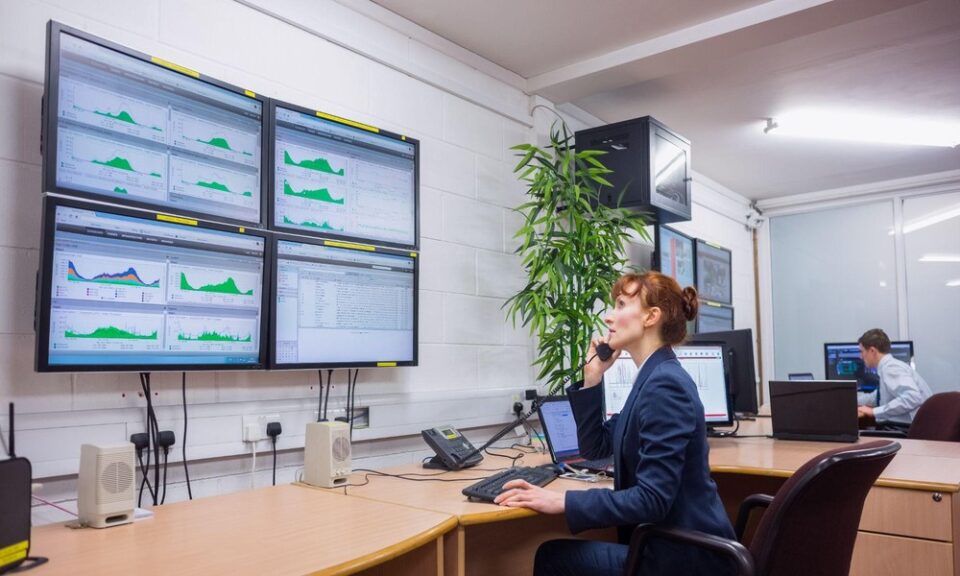
Company energy data, when reviewed regularly, highlights drift before it becomes costly. Small increases linked to extended hours, new equipment, or behavioural shifts stand out quickly. This creates space for correction without urgency.
Electricity companies respond well to informed clients. When usage discussions rely on shared data rather than estimates, adjustments feel grounded. Monitoring does not demand advanced systems at the start. Consistency matters more than sophistication.
Treat Energy Planning as an Operational Habit
Beginners assume an energy strategy requires expertise. In practice, it relies on repetition. Revisiting usage patterns, reviewing invoices with context, and checking assumptions at regular intervals creates momentum.
Company energy planning improves once it aligns with existing workflows. Facilities reviews, finance checkpoints, and operational planning sessions already exist. Energy fits naturally within these moments without demanding separate processes.
Electricity companies become partners once the dialogue stays active. Questions grow sharper. Decisions feel informed rather than reactive. Over time, energy management settles into a stable rhythm that supports wider business priorities.
Conclusion
A workable approach to company energy removes mystique rather than adding layers. By starting with usage clarity, understanding how electricity companies structure pricing, and maintaining light monitoring, businesses gain control without distraction. The result feels steady and practical, built on informed habits rather than occasional overhauls.
Contact Keppel Electric to discuss company energy options that align with your operational needs and planning priorities.
