
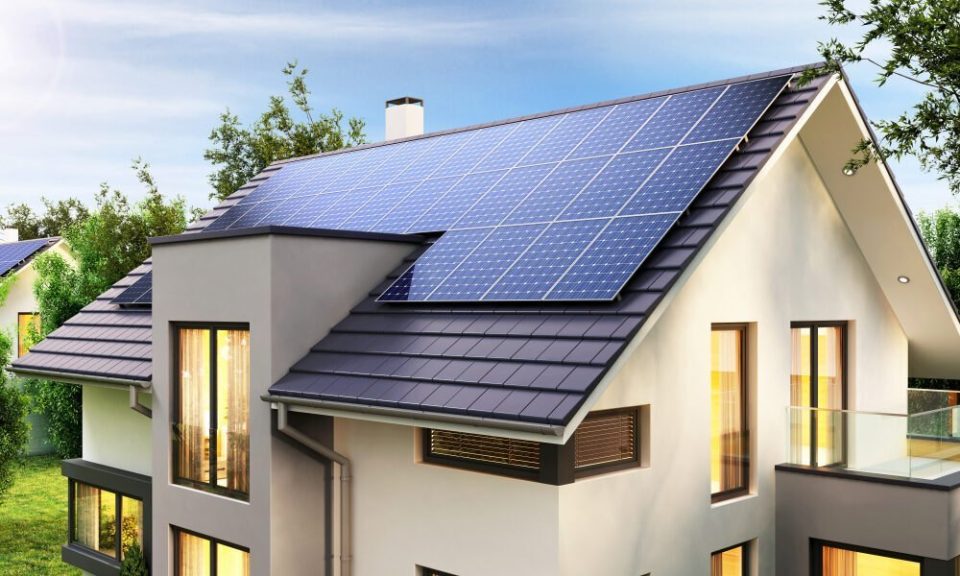
Investing in a home energy system is a significant decision that can influence your household’s energy efficiency and long-term running costs. While renewable energy systems have become increasingly popular, choosing the right solution involves more than selecting a set of panels. Evaluating your home’s characteristics, future energy needs, and system features can help ensure your investment delivers lasting value.
Here are seven important factors every homeowner should consider before making the switch.
1. Assess Your Household’s Electricity Usage
Understanding how much electricity your household consumes is the first step. Review your electricity bills over the past year to identify seasonal changes and daily consumption patterns.
Homes with higher daytime electricity usage often benefit differently from renewable energy systems than households where most electricity is used during the evening. Knowing your usage habits helps determine the most appropriate system size.
2. Evaluate Your Roof’s Suitability
Your roof plays a major role in how efficiently a solar energy system performs. Factors such as roof orientation, available space, pitch, and shading from nearby trees or buildings can all affect energy generation.
A professional site assessment can identify the most effective panel placement while ensuring the roof structure is suitable for installation.
3. Choose Quality System Components
Not all solar panels and inverters are manufactured to the same standards. While lower-cost options may seem attractive initially, investing in reliable equipment often results in better efficiency, longer warranties, and improved long-term performance.
Homeowners considering Solar panels in Perth should pay close attention to product quality, manufacturer reputation, and warranty coverage to maximise the value of their investment.
Reliable components typically require fewer repairs and continue operating efficiently for many years.
4. Consider Future Household Needs
Your electricity requirements may change over time. A growing family, home renovations, electric vehicle ownership, or the addition of new appliances can all increase future energy consumption.
Planning for these possibilities when selecting a system helps avoid the need for costly upgrades later. Choosing a solution that can accommodate future expansion offers greater flexibility as household needs evolve.
5. Understand Installation Requirements
Every property has unique installation requirements. Your existing switchboard, roof accessibility, and electrical infrastructure may influence the installation process.
Understanding these requirements before work begins allows homeowners to prepare accordingly and helps minimise disruptions during installation. It is also useful to discuss expected installation timelines and any maintenance recommendations following completion.
6. Learn About System Monitoring
Modern home energy systems often include monitoring technology that allows homeowners to track electricity production and system performance in real time.
Regular monitoring makes it easier to identify unexpected changes in output and provides valuable information about how effectively the system is meeting household energy demands. Having access to performance data also supports better long-term energy management.
7. Think Beyond the Initial Purchase
The purchase price is only one part of the overall investment. Long-term performance, maintenance requirements, warranty support, and expected system lifespan all contribute to the value of a home energy system.
Homeowners interested in solar panels in Perth should evaluate how the system will perform over many years rather than focusing solely on the upfront cost. A well-planned investment can provide ongoing benefits through improved energy efficiency and dependable performance.
Making an Informed Investment
A home energy system represents a long-term commitment, making careful planning essential. By considering household energy usage, roof suitability, equipment quality, future needs, installation requirements, monitoring features, and overall long-term value, homeowners can make informed decisions with confidence. Taking the time to evaluate these factors helps ensure the chosen system delivers reliable performance while supporting sustainable energy use for years to come.
