
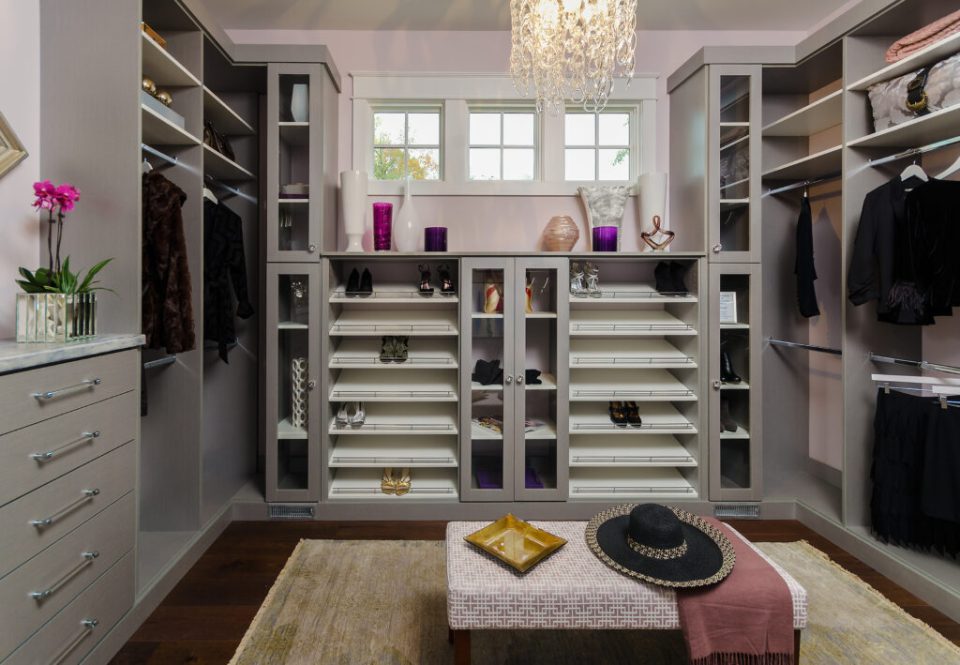
A cluttered closet is more than just an eyesore; it can set the tone for your entire day. Too many people resign themselves to cramped rods, teetering stacks of sweaters, and shoes lost at the bottom of a dark reach-in, not realizing how much better life could be with storage designed for the real world.
The Hidden Challenges of Standard Storage Solutions
Generic closets might look fine at first glance, but living with one quickly reveals its shortcomings. The standard formula, a rod, a shelf above, and a vague hope that everything will fit, often falls short in meeting actual storage needs.
Why Do Generic Closets Often Fail Everyday Needs?
Off-the-rack solutions rarely account for variations in what people own or how they dress. One person’s closet might require double hanging for shirts and slacks, while another needs deep shelves for folded knits or drawers for accessories. Generic layouts ignore these differences, forcing people to adapt (and compromise) every single day.
Common Frustrations: Accessibility, Space, and Organization
Shoes pile up in the wrong spot, out-of-season items crowd in with daily essentials, and small closets feel smaller than they actually are. This daily friction chips away at routines, causing wasted minutes and unnecessary stress. When every inch matters, poorly conceived storage means the space can never reach its full potential.
The Impact of Poor Storage on Daily Living
It’s not just a matter of inconvenience. Struggling with disorganized or inaccessible closets can affect mood, add frustration to busy mornings, and even make a home feel less welcoming. The right storage has the power to transform how you experience your space.
Tailored Storage: Designing Around Your Lifestyle
The best closets are never one-size-fits-all. True custom storage starts with a careful assessment of what you own and how you live.
Assessing Your Wardrobe and Storage Habits
Every wardrobe has its quirks. Some people need extra shoe shelves, others want jewelry drawers or space for bulky winter gear. Tailored closet design begins with a thoughtful inventory: How much needs to be hung? What should be visible versus hidden? Where do small items end up if not properly planned for?
Custom Closet Elements: Hanging, Shelving, Drawers, and Accessories
A well-designed closet uses multiple storage elements in harmony. This might mean a mix of hanging heights, adjustable shelving, deep drawers, and dedicated accessory zones. Specialty fittings, like valet rods, pull-out trays, and integrated lighting, make daily tasks easier and help maintain order.
Maximizing Every Inch: From Walk-Ins to Reach-Ins and Built-Ins
Large walk-in closets benefit from features like islands, seating, and layered lighting, creating spaces that feel like a true extension of the home. Meanwhile, in small reach-in closets, clever layout and full-height storage can nearly double usable space. Even rooms without closets can gain purpose-built built-in wardrobes that blend seamlessly with the architecture.
Materials, Finishes, and Quality: Elevating Storage to Home Design
When storage is well-crafted, it never feels like an afterthought.
Choosing Durable, Aesthetic Materials That Match Your Home
Closets are subject to daily wear, so materials need to be both beautiful and tough. Finishes should reflect the quality found elsewhere in your home, whether that means classic wood, sleek lacquer, or hardware that stands the test of time.
Hardware and Lighting: Enhancing Function and Ambiance
The little details, soft-close drawers, sturdy hanging rods, and integrated LED strips, matter as much as the main structure. These finishing touches boost both function and ambiance, turning a utilitarian space into somewhere you actually enjoy spending time.
Integrating Features: Islands, Seating, Mirrors, and Specialty Fittings
Thoughtful additions like seating, full-length mirrors, and divided compartments for jewelry or ties add luxury and make getting dressed a pleasure, not a chore.
The Process of Creating a Custom Closet That Works
Crafting a tailored closet is a collaborative journey, not a one-day project.
Initial Consultation and Wardrobe Assessment
It starts with an in-home visit to see your space and discuss your wardrobe. This deep dive goes far beyond surface measurements, focusing on real storage needs.
Concept Development and Layout Planning
The next step is translating those needs into a thoughtful layout, selecting appropriate materials and hardware, and finalizing the design direction.
Fabrication Coordination and Installation Oversight
With plans in place, expert fabricators bring the design to life while the designer manages the timeline and quality control, so nothing is left to chance.
Final Styling and Ensuring Long-Term Usability
After installation, the last details matter: arranging items for ease of use and ensuring that every feature supports your routine from day one.
Practical Benefits of Tailored Storage Solutions
A closet tailored to your life pays dividends well beyond aesthetics.
Increased Storage Capacity and Better Organization
Custom layouts mean more can be stored, neatly, safely, and accessibly. Everything has a place, and nothing is crammed or forgotten.
Time Savings and Reduced Stress in Daily Routines
Finding what you need, when you need it, leads to smoother mornings and less wasted time searching or reorganizing.
Long-Term Value: Investment in Home Function and Appeal
Well-designed storage not only simplifies life but can also boost your home’s value and appeal, making it a smart long-term investment.
Overcoming Common Concerns and Misconceptions
Some hesitate at the idea of custom storage, usually due to cost or uncertainty about what’s possible.
Cost vs. Value: When Do Custom Closets Make Sense?
Not every situation calls for a custom closet. Modular systems can work well in standard spaces with typical needs. But when rooms are oddly shaped, finishes must match, or your wardrobe is unique, custom solutions deliver value that goes well beyond the upfront investment.
Working with Small or Challenging Spaces
Design makes the biggest difference where space is tight. Even the smallest closets can feel spacious with the right approach, maximizing every available inch.
Custom Closets vs. Modular Systems: Choosing What Fits
Custom closets adapt to you and your space, rather than the other way around. If storage needs are straightforward, modular might suffice. For spaces that defy easy solutions, custom is unbeatable.
Taking Action: How to Get Started with Your Custom Storage
Thinking about making a change? Start with a clear plan.
Preparing for Your Consultation: What to Consider and Gather
Take stock of what you own, what frustrates you, and your ultimate wish-list. Bringing photos or inspiration can help clarify your goals.
Choosing the Right Designer and Fabricator
Look for designers with a strong track record and hands-on millwork experience. A partner like VPG closet design brings expertise across every stage, from planning and layout to installation and styling.
Steps to Move from Concept to Completion
From initial consultation to final styling, expect a transparent process that balances your needs, budget, and the realities of your space.
Real-Life Transformations: Stories from Montreal Homeowners
Montrealers have seen firsthand how custom storage can transform a home. Case studies reveal closets that went from cramped and chaotic to spacious and serene, with clients gaining both beauty and function. Small reach-ins became surprisingly capacious, while sprawling walk-ins achieved an effortless elegance. These real-world examples inspire anyone looking to reclaim their space and simplify daily living.
