
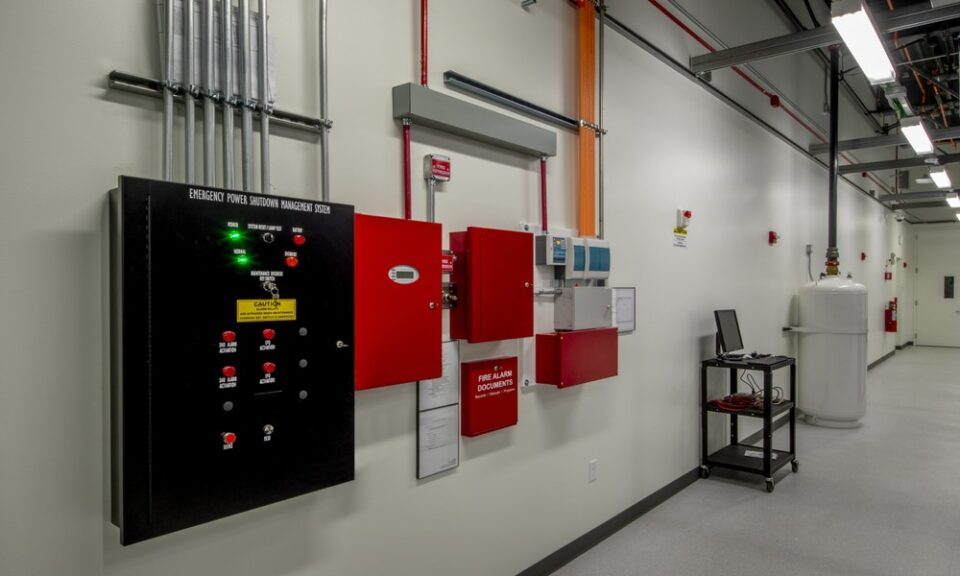
Fire alarm systems in Utah are essential safety tools that help protect people and property from fire hazards. These systems are made up of many electronic devices that work together to detect fires and notify occupants and emergency responders. Modern fire alarm monitoring systems are highly advanced, providing quick alerts, reducing risks, and improving overall safety. To better understand this life-saving technology, it’s helpful to learn about its history, how it works, and the main components that make it effective.
A Brief History of Fire Alarm Systems
Fire alarm systems have come a long way over the years. The first automatic alarm system was patented in 1890 by Francis Robbins Upton, an associate of Thomas Edison. In 1902, George Andrew Darby in England developed early heat and smoke detection systems. The first battery-powered smoke alarms appeared in 1965, and by the 1980s, building codes required battery-powered smoke alarms in homes and buildings. These advancements have made fire detection more reliable and widely accessible.
How Fire Alarm Systems Work
The main goal of a fire alarm system is to detect fire or smoke quickly and alert people in the building and emergency services. Fire alarm systems constantly monitor their own status to ensure they are working properly. They can detect problems in wiring, connections, or components that might stop the system from functioning.
Fire alarm systems detect fires through devices called initiation devices, which sense smoke, heat, or water flow. Once a potential fire is detected, the system sends signals to alert occupants and activate other systems, such as HVAC shutdown, elevator recall, and communication with monitoring stations. These systems work together to control the situation and improve safety.
Fire alarms perform four main functions:
- Detection – Finding signs of fire such as smoke, heat, or water flow.
- Notification – Alerting people in the building to evacuate.
- Monitoring – Continuously checking that the system and its devices are working correctly.
- Controlling – Activating other safety systems like sprinklers, doors, and ventilation.
Components of Fire Alarm Systems and Their Functions
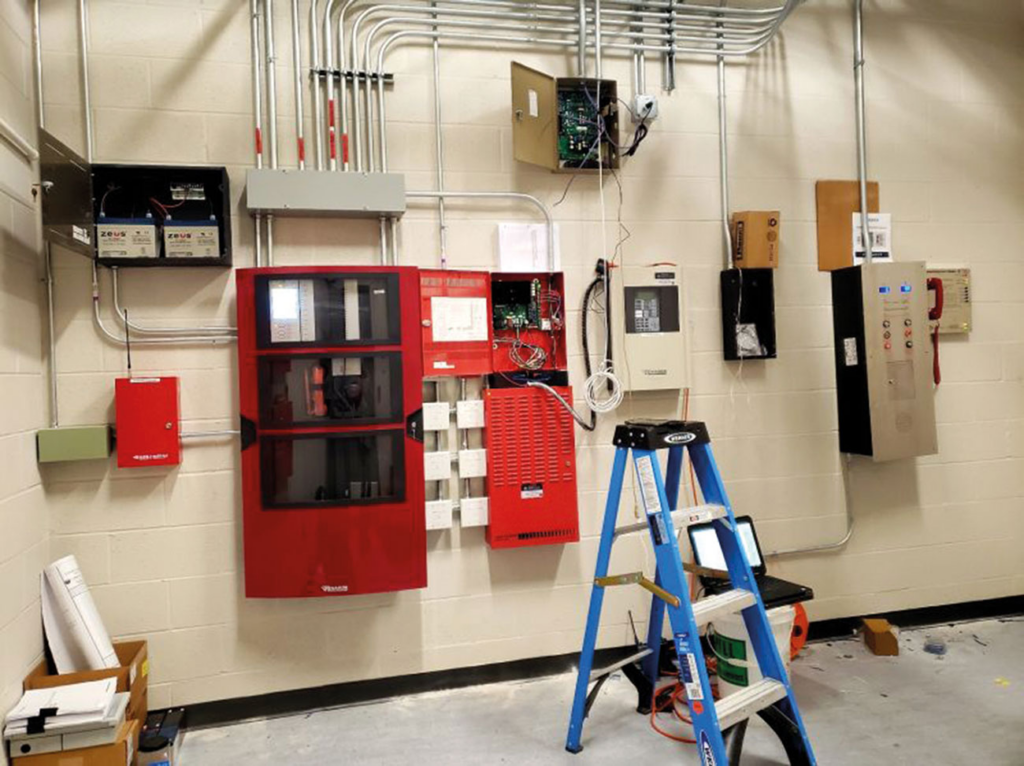
Fire alarm systems rely on many devices, each with a specific role. Below is a detailed look at the main components.
1. Fire Alarm Control Panel (FACU)
The control panel is the brain of the system. It receives signals from initiation devices and manages the entire alarm process. Key functions include:
- Turning on notifications – Activates alarms, sirens, horns, and strobes to alert people.
- Elevator recall – Ensures elevators do not operate in fire areas.
- HVAC shutdown – Stops air systems to prevent smoke from spreading.
- Notification to monitoring center – Alerts a fire monitoring center to contact emergency services.
Types of Fire Alarm Panels
- Addressable panels – Monitor each device individually, showing the exact location of an alarm
- Non-addressable panels – Monitor devices in zones; you must check each device in the zone to find the alarm.
Three States of a Fire Alarm System
- Normal – Everything works correctly; no alarms are active.
- Alarm – An active alarm is occurring.
- Trouble – A problem exists, such as wiring issues or a lost connection.
2. Initiation Devices
Initiation devices detect fire and trigger the alarm. They include:
- Pull stations – Manually operated devices that start an alarm when pulled.
- Smoke detectors – Sense smoke using ionization or photoelectric sensors.
- Duct detectors – Installed in air ducts to prevent smoke from spreading.
- Heat detectors – Detect rapid temperature increases or fixed high temperatures.
- Beam detectors – Use light beams across large areas; if smoke interrupts the beam, an alarm triggers.
- Air aspirating detectors – Draw in air and detect tiny smoke particles early.
- Water flow switches – Detect water movement in sprinkler systems.
- Tamper switches – Ensure sprinkler valves are properly positioned.
3. Notification Devices
Notification devices alert building occupants through sound, light, or both. They include:
- Audible devices – Sirens, horns, bells, or speakers.
- Strobes – Flashing lights for visual alerts.
- Strobes/Horns – Combined sound and light alerts, sometimes with voice messages.
- Dialers or communicators – Connect the system to a monitoring center via phone, internet, or radio signals.
- NAC power supplies – Provide extra power to run notification devices.
Integration With Other Life Safety Systems
Fire alarm systems can work with other safety systems for enhanced protection:
- Sprinklers and extinguishing systems
- Smoke management and ventilation controls
- Door locking and release systems
- Elevator recall
- Security systems and mass notification systems
Integration can save money, improve efficiency, and enhance overall safety.
Inspection, Testing, and Maintenance
Regular inspection, testing, and maintenance are crucial to ensure fire alarms work when needed.
Visual Inspections
- Control equipment – Weekly checks for LEDs, fuses, and trouble signals.
- Batteries – Check monthly for leaks or corrosion.
- Heat, smoke, and duct detectors – Semiannual inspections.
- Yearly inspections – Confirm no changes affect performance.
Testing
- Control equipment – Test annually to confirm alarms and trouble signals function.
- Initiating devices – Test quarterly to ensure proper operation.
- Alarm notification appliances – Test visual and audible alerts.
- Batteries – Monthly tests, with additional checks for lead-acid types.
Maintenance
Follow manufacturer guidelines for cleaning, maintenance, and frequency of service. A well-maintained system ensures reliability and safety for all building occupants.
By understanding fire alarm systems, how fire alarm monitoring works, and maintaining the system regularly, property owners and managers can keep buildings safe and occupants prepared for emergencies.
