
Dust is sneaky—it doesn’t just settle on your floors or shelves but clings to unexpected spots all around your home. Even after a deep clean, it seems to return faster than you’d like. The truth is, many “clean” homes still have hidden dust traps that quietly collect debris day after day. From ceiling fans to lampshades, these fixtures deserve regular attention to keep your space healthier and brighter.
If you’re wondering where to focus your cleaning energy, here’s a breakdown of the most common high-traffic fixtures that should be part of your weekly or monthly cleaning routine.
Ceiling Fans and Light Fixtures
Ceiling fans are dust magnets. As blades spin, they circulate microscopic particles through the air, constantly moving dust from one area of the room to another. Wiping them only every few months allows that buildup to grow, eventually sprinkling it back onto your furniture and floors.
How to clean them efficiently:
Turn off the fan and use a microfiber duster or pillowcase to catch loose particles. Follow up with a damp cloth and mild cleaner to remove any sticky residue. Light fixtures attached to fans also gather grime, especially around bulbs and glass shades. A quick weekly dusting keeps the light output strong and the air cleaner.
Air Vents and Return Grilles
Your home’s heating and cooling system quietly gathers dust inside vent covers and return ducts. Because these areas constantly circulate air, dust quickly accumulates around the openings, forming a visible gray layer that also attracts allergens.
Maintenance tip:
Use a vacuum with a brush attachment once a month. For deeper cleaning, remove the vent covers and wash them in warm, soapy water. This small task helps your HVAC system run more efficiently and dramatically reduces airborne dust.
3. Lampshades
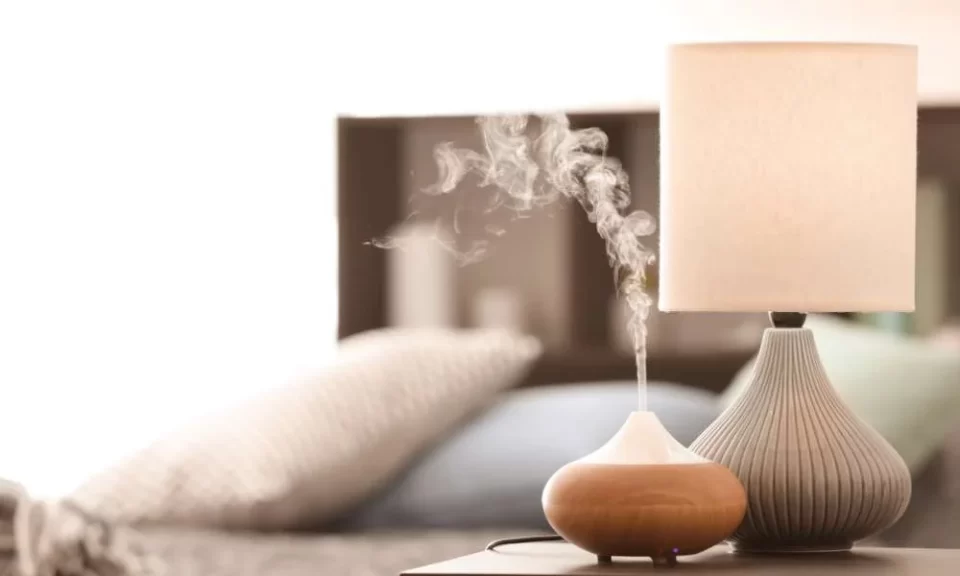
Few household objects attract as much unnoticed dust as a lampshade and table lamp. These frequently used fixtures collect dust on fabric, hardware, and switch handles, often dulling the quality of light in your room.
How to refresh them:
Unplug the lamp, remove the shade, and gently clean it with a lint roller or microfiber cloth. For fabric shades, vacuuming on the lowest setting works wonders. For glass or metal bases, a damp cloth followed by a dry polish will restore shine. Don’t forget the bulb—light levels can drop by 20% if it’s coated in dust.
Picture Frames and Wall Art
Frames catch nearly invisible layers of dust that blend into your decor until sunlight exposes them. Dust on art surfaces or glass can also dull colors and make rooms feel less vibrant.
Best approach:
Wipe frames with a soft cloth once a month. Always spray cleaner onto the cloth, not directly onto the glass, to avoid streaking or moisture damage to artwork. For wooden frames, a little furniture oil keeps the surface nourished and dust-resistant.
Baseboards and Trim
Baseboards are often neglected simply because cleaning them feels tedious. Yet, these areas trap dust kicked up by foot traffic and create a subtle gray film that can make even a freshly vacuumed floor look unfinished.
Quick cleaning method:
Use a microfiber mop or handheld duster weekly, and do a deeper wipedown monthly with diluted dish soap. The effort pays off—clean trim creates crisp visual lines that enhance every room.
Light Switches, Handles, and Doorknobs
These everyday touchpoints collect dust mixed with oils from your hands. In busy households, that residue becomes a grime magnet that also harbors bacteria.
Maintenance habit:
Each week, wipe doorknobs, handles, and switches with a disinfecting cloth. It only takes a few minutes but instantly makes a space feel fresher and more polished.
Blinds, Curtains, and Window Frames
Window coverings are huge dust collectors, especially in bright rooms where sunlight seems to highlight every speck. Dust on blinds not only dulls a room’s appearance but also affects indoor air quality as particles circulate when windows are opened.
Simple upkeep plan:
For blinds, use a microfiber glove or dusting wand. Curtains should be shaken outside biweekly and vacuumed using an upholstery attachment monthly. Clean window sills simultaneously for maximum impact.
Bathroom and Kitchen Light Fixtures
Grease, humidity, and residue build up quickly around kitchen and bathroom lights. Steam mixes with airborne oils and dust, turning into a sticky film that’s hard to spot until you wipe it away.
Best routine:
Wipe down light fixtures and covers monthly using a gentle degreaser. This improves brightness, reduces odors, and helps control mold in humid environments.
When planning your next renovation or home refresh, consider a custom lighting design that prioritizes easy-to-clean fixtures. The right finishes, bulb types, and placement can reduce dust accumulation and speed up weekly cleaning. Opt for smooth glass or metal over textured surfaces when possible—these materials repel dust and wipe up easily.
Keeping your home truly clean means looking beyond floors and countertops. By tackling these high-traffic dust traps weekly or monthly, you’ll enjoy clearer light, fresher air, and a home that actually feels as clean as it looks.
