
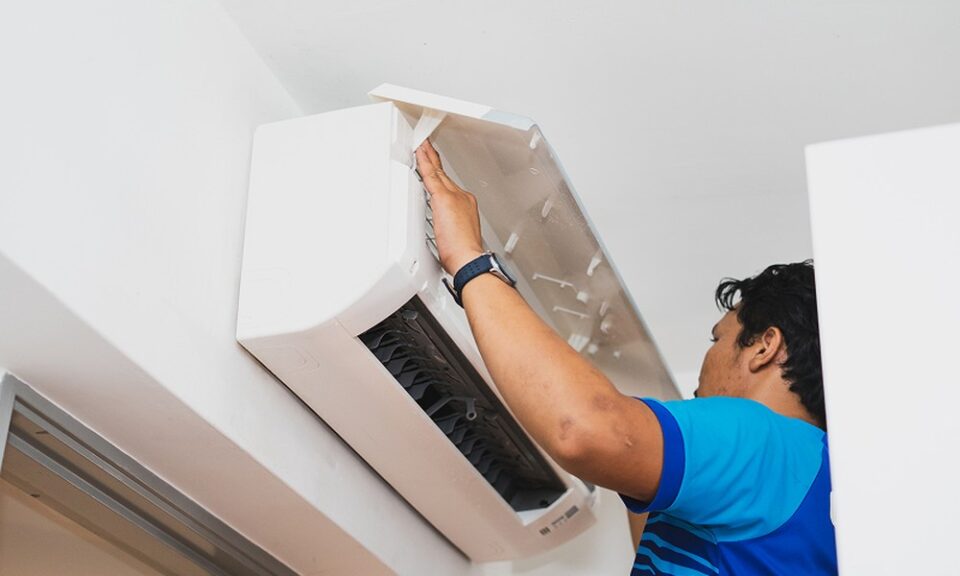
Aircon work often sounds simple until the clock starts ticking. Many people expect a quick in and out job, yet schedules shift and hours stretch. A typical aircon installation can take half a day or a full day, depending on the setup and the space. Knowing what affects timing helps expectations stay cool while the room warms up with drills and tools.
The process also links closely with planning and coordination. A well-booked provider usually follows a clear workflow, yet real homes add variables. Walls, wiring, access points, and unit type all play a part, turning a simple plan into a flexible one.
A Typical Timeline for Installation Day
A standard residential job often starts with inspection and marking. Installers check wall thickness, piping routes, and drainage angles. For a basic single unit, active work may take three to four hours. Multi-split systems add time because each indoor unit needs mounting, piping, and testing. A full aircon installation for multiple rooms often fills most of a working day.
Testing also takes a steady chunk of time. Vacuuming the system, checking refrigerant pressure, and running trial cycles protect long-term performance. Skipping steps saves minutes but risks later issues. Reputable air conditioning services follow manufacturer guidelines, which adds predictability and safety.
Factors That Cause Time to Shift
Property layout stands first on the list. Thick concrete walls, hidden beams, or limited outdoor access slow drilling and piping. Older buildings may hide outdated wiring or narrow trunking paths. Each obstacle adds minutes that stack into hours during aircon installation.
Unit choice matters as well. Larger capacity systems require stronger mounting points and careful handling. Inverter systems involve additional wiring and configuration checks. Weather also plays a quiet role. Heavy rain can delay outdoor condenser mounting, especially in high-rise settings. Experienced teams plan buffers, yet some delays remain unavoidable.
Preparation Makes a Noticeable Difference
Good preparation trims wasted time. Clearing furniture, removing wall décor, and providing a clear work area help installers move without detours. Confirming unit placement and pipe routing in advance avoids on-site debates. A booked air conditioning service often shares a checklist before arrival for precisely this reason.
Electrical readiness also counts. Adequate power points and circuit capacity reduce rewiring work. When electricians and installers coordinate schedules, downtime drops. Preparation does not remove all delays, yet it reduces friction and keeps momentum steady during aircon installation.
Why Experience Shapes Speed and Accuracy
Trained installers follow a rhythm built from repetition. Measuring, drilling, mounting, and sealing follow an order that protects both unit and property. Speed comes from familiarity, not rushing. Experienced teams log installation times and refine processes using past jobs as reference points.
Accuracy also protects future maintenance. Correct pipe insulation reduces condensation issues. Proper drainage slope prevents water leaks. Each step adds minutes on installation day, yet saves hours of repair work later. A balanced pace benefits homeowners and technicians alike.
After Installation Checks That Add Time but Save Trouble
Final checks often surprise homeowners. Thermostat calibration, airflow testing, and noise inspection extend the visit. Installers may also guide users on filter cleaning and basic operation. Such steps fall under responsible air conditioning service practice and protect warranty coverage. Early planning with an air conditioning service helps schedule enough time for these final checks.
Documentation also takes time. Serial numbers, installation photos, and service records support future servicing. While paperwork lacks glamour, it anchors accountability. A complete aircon installation includes physical work and administrative closure.
Planning the Schedule With Realistic Expectations
Booking early helps secure preferred dates, yet flexibility remains wise. Allowing a buffer day avoids stress if work runs long. Asking clear questions during quotation stages provides realistic time frames. Transparent providers explain what affects duration without sales gloss.
Understanding timing helps homeowners plan workdays, deliveries, and family routines. Aircon work may hum, drill, and pause, yet each phase serves a purpose. Patience pays back in comfort and reliability.
Setting Expectations Before Installation Day
Aircon work follows a plan, yet homes add personality to every job. Timing varies due to layout, preparation, unit type, and weather. Knowing these factors sets expectations on solid ground and keeps frustration at bay. For a smooth experience backed by clear communication and proper checks, contact Newway Air Conditioning to discuss scheduling, preparation tips, and service planning that suits everyday living.
