
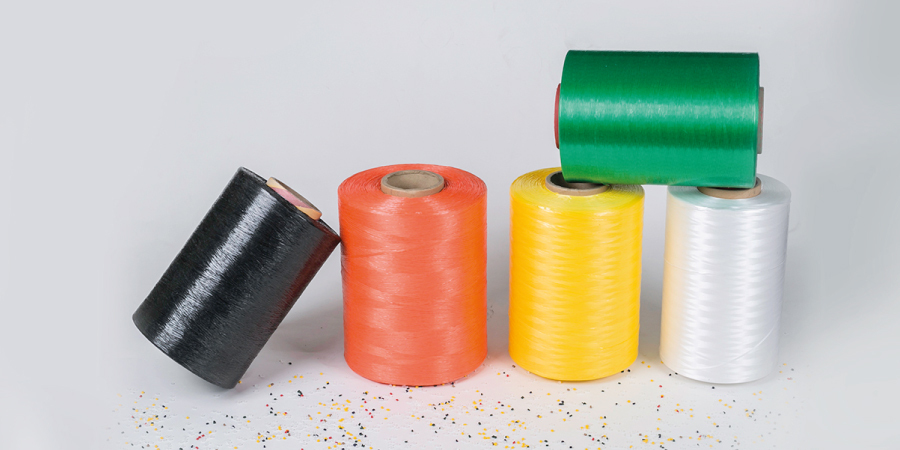
Carpet yarns play a critical role in determining the quality, durability, and performance of carpets across residential and commercial spaces. For manufacturers, suppliers, and flooring professionals, having a structured understanding of carpet yarns is essential for product development and sourcing decisions.
This article works as a comprehensive guide to carpet yarns, explaining fiber options, yarn constructions, performance characteristics, innovation trends, and supply-chain considerations in a practical, industry-focused manner.
Why Carpet Yarns Matter in Carpet Manufacturing
Carpet yarns are not ordinary textile fibers. They are engineered to withstand constant foot traffic, compression, abrasion, and environmental exposure while maintaining their appearance over time.
The right yarn selection directly impacts:
- Carpet lifespan
- Maintenance requirements
- Comfort and aesthetics
- Cost efficiency
- End-user satisfaction
Because of this, carpet yarns are a key strategic component in flooring production.
Overview of Carpet Yarn Fiber Options
Nylon Yarns
Nylon is widely regarded as one of the most durable carpet yarn fibers available. Its ability to recover from compression makes it suitable for demanding environments.
Advantages include:
- High resilience and abrasion resistance
- Strong shape retention
- Compatibility with stain-protection treatments
Common applications: Commercial flooring, hotels, offices, and high-traffic residential areas.
Polyester Yarns
Polyester carpet yarns are valued for their visual appeal and cost effectiveness. Recent technological advancements have improved their softness and performance.
Advantages include:
- Excellent color clarity and fade resistance
- Smooth texture
- Competitive pricing
Limitations: Lower crush resistance compared to nylon in heavy-traffic conditions.
Polypropylene (Olefin) Yarns
Polypropylene yarns are designed for functional performance, especially in moisture-prone environments.
Advantages include:
- Moisture and stain resistance
- Lightweight structure
- Chemical and mildew resistance
Best suited for: Outdoor carpets, basements, utility spaces, and low-pile commercial flooring.
Wool and Natural Fiber Yarns
Wool represents a premium segment within carpet yarns, offering natural comfort and sustainability.
Advantages include:
- Thermal and acoustic insulation
- Biodegradable and renewable properties
- Luxurious look and feel
Challenges: Higher costs and more intensive care requirements.
Carpet Yarn Construction and Processing
Filament and Staple Yarns
- Filament yarns are continuous fibers that provide uniformity, strength, and smoother surface appearance.
- Staple yarns are spun from shorter fibers, offering a textured, natural aesthetic.
Bulk Continuous Filament (BCF) Yarns
BCF yarns are commonly used in modern carpet production. They provide bulk, resilience, and consistent quality, making them ideal for large-scale manufacturing.
Twist Levels and Heat Setting
Twist and heat-setting processes directly affect carpet performance:
- Higher twist improves durability and reduces matting
- Heat setting stabilizes yarn structure and enhances appearance retention
These processes are essential for long-term carpet performance.
Performance Characteristics of Carpet Yarns
When selecting carpet yarns, professionals typically evaluate:
- Wear and abrasion resistance
- Resilience and crush recovery
- Colorfastness and UV stability
- Stain and soil resistance
- Static control and comfort
Understanding these factors is essential when using a comprehensive guide to carpet yarns for decision-making.
Innovation and Sustainability in Carpet Yarns
Sustainability is increasingly influencing carpet yarn development. Industry innovations include:
- Recycled polyester and recycled nylon fibers
- Low-impact dyeing and finishing processes
- Energy-efficient manufacturing systems
- Circular recycling initiatives
These advancements help balance performance requirements with environmental responsibility.
Supply Chain and Sourcing Considerations
Effective sourcing of carpet yarns requires attention to:
- Fiber quality and consistency
- Production capacity and scalability
- Quality assurance standards
- Logistics efficiency and lead times
- Compliance with environmental regulations
A reliable supply chain ensures stable production and consistent product quality.
Selecting the Right Carpet Yarn for Your Application
There is no universal carpet yarn solution.
The right choice depends on:
- End-use environment
- Traffic intensity
- Budget constraints
- Maintenance expectations
- Sustainability goals
Using a comprehensive guide to carpet yarns helps buyers align yarn selection with performance and market needs.
Conclusion
Carpet yarns form the foundation of carpet performance, durability, and visual appeal. From fiber selection and yarn construction to innovation and supply chain strategy, every decision plays a vital role in the final product.
By understanding these elements, manufacturers and industry professionals can make informed choices that deliver long-term value, functional performance, and competitive advantage.
