
Interior design trends tend to move in cycles. Styles that once felt outdated often return with fresh relevance, refined details, and modern performance. Few design movements prove this better than mid-century modern.
Once associated strictly with the 1950s and 1960s, this iconic aesthetic has reemerged as a favorite among today’s kitchen designers. At the heart of this revival are mid century modern kitchen cabinets, which combine clean lines, warm materials, and functional simplicity in a way that feels both nostalgic and surprisingly current.
Designers are not simply recreating the past. Instead, they are reinterpreting mid-century principles for contemporary lifestyles, blending timeless forms with modern technology, sustainability, and personal expression. This renewed love affair is reshaping kitchens across homes, apartments, and even luxury renovations.
The Timeless Appeal of Mid-Century Design
Mid-century modern design originated in the post-war era, when function, efficiency, and optimism shaped architecture and interiors. Designers focused on simplicity, honest materials, and designs that made everyday life easier. These ideas translate seamlessly into kitchens, which must balance beauty with heavy daily use.
Mid century modern kitchen cabinets reflect this philosophy through uncluttered silhouettes, flat or gently contoured doors, and minimal ornamentation. Unlike overly decorative cabinetry, these designs avoid visual noise, allowing the space to feel calm and intentional. Designers today appreciate how this restraint creates kitchens that age gracefully rather than chasing short-lived trends.
Clean Lines That Calm the Space
One major reason designers are revisiting this style is the emphasis on strong, clean lines. Kitchens can quickly feel overwhelming due to appliances, storage needs, and constant activity. Cabinetry with excessive detailing can add to that chaos.
Mid century modern kitchen cabinets rely on flat-panel or slab-front doors that keep visual flow uninterrupted. Horizontal lines, often emphasized through long cabinet runs or linear pulls, help kitchens feel wider and more balanced. This clean geometry pairs well with open floor plans, which are now common in modern homes.
Designers value how these cabinets bring order and clarity, especially in smaller kitchens where visual simplicity makes the space feel larger and more breathable.
A Warm Alternative to All-White Kitchens
For years, white kitchens dominated interior design. While still popular, many designers now seek warmer, more personal alternatives. This is where mid century modern kitchen cabinets truly shine.
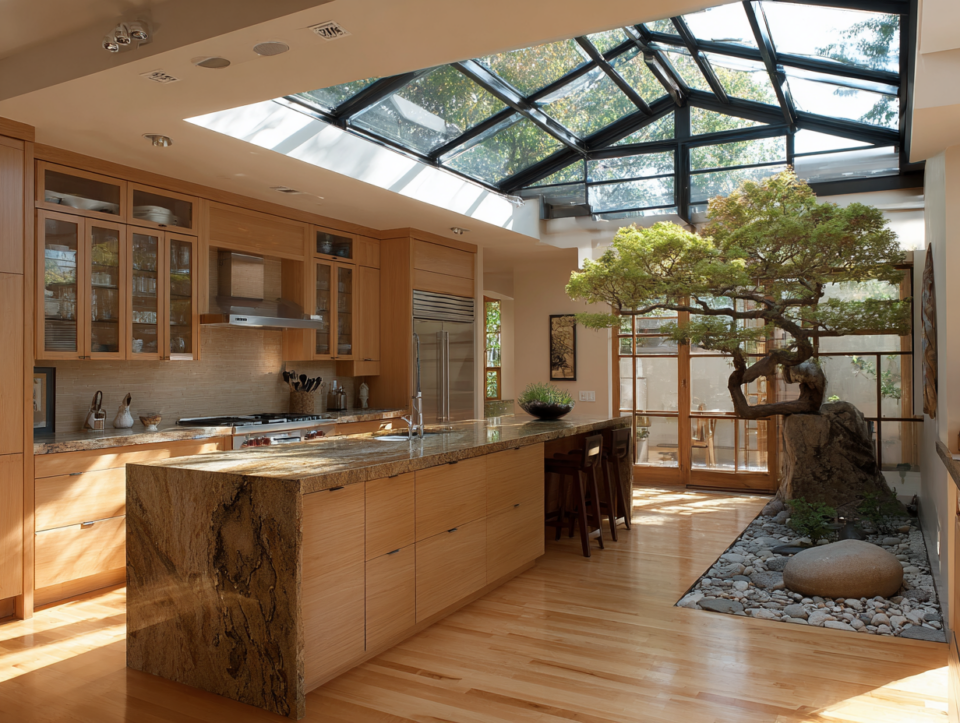
Natural wood tones such as walnut, teak, oak, and ash are hallmarks of the style. These finishes introduce warmth and texture without overwhelming the room. Designers love how wood cabinetry softens modern kitchens that might otherwise feel cold or sterile.
Instead of stark contrasts, mid-century palettes favor harmony. Warm woods pair beautifully with neutral countertops, muted backsplashes, and subtle accent colors. The result is a kitchen that feels inviting, lived-in, and timeless rather than clinical.
Function First, Always
Mid-century modern design has always prioritized function. In kitchens, this approach resonates strongly with contemporary designers who want spaces that work effortlessly for real life.
Mid century modern kitchen cabinets often feature thoughtful storage solutions, efficient layouts, and easy access. Originally, these kitchens were designed for everyday families, not just visual impact. That mindset aligns perfectly with today’s demand for practical, user-friendly spaces.
Modern updates enhance this functionality even further. Designers incorporate soft-close drawers, pull-out organizers, hidden recycling bins, and smart storage systems behind the classic mid-century exterior. The result is cabinetry that looks retro-inspired but performs at the highest modern standard.
The Influence of Minimalism Without Coldness
Minimalism remains a powerful influence in interior design, but not everyone wants the starkness that sometimes comes with it. Mid-century modern offers a softer form of minimalism, which designers find especially appealing.
Mid century modern kitchen cabinets strip away unnecessary decoration while maintaining warmth and character. The simplicity feels intentional rather than empty. Designers can achieve a minimalist look without sacrificing comfort or personality.
This balance is especially important in kitchens, where warmth encourages gathering and connection. Designers often say that mid-century cabinetry feels “human,” offering simplicity that still feels emotionally engaging.
Versatility Across Home Styles
Another reason designers are embracing this style again is its remarkable versatility. Mid century modern kitchen cabinets adapt easily to different architectural contexts.
In mid-century homes, they feel authentic and historically respectful. In modern or contemporary homes, they add warmth and contrast. Even in traditional houses, designers use mid-century cabinets as a bold yet tasteful update that refreshes the space without clashing with existing architecture.
Because the style focuses on proportion and material quality rather than ornate details, it blends seamlessly with many design directions. Designers appreciate having a cabinet style that works across multiple project types and client preferences.
Hardware That Makes a Statement
Hardware plays a subtle yet significant role in cabinetry design. Mid-century kitchens often feature distinctive hardware that adds personality without overpowering the cabinets.
Designers love how mid century modern kitchen cabinets use sleek bar pulls, integrated finger pulls, or minimalist knobs. Materials like brushed brass, matte black, and stainless steel complement the warm wood tones while adding a refined touch.
Some designers choose handle-less designs for a truly streamlined look, relying on push-to-open mechanisms or recessed pulls. This approach enhances the clean aesthetic while keeping functionality intact.
A Natural Fit for Open Shelving
Open shelving continues to be popular, especially for homeowners who want kitchens to feel more open and personal. Mid-century cabinetry pairs exceptionally well with this trend.
Mid century modern kitchen cabinets often stop short of the ceiling or incorporate open shelves alongside closed storage. Designers appreciate how this combination creates visual rhythm and prevents kitchens from feeling too heavy.
Open shelves allow for curated displays of ceramics, cookbooks, and plants, adding life and individuality. When paired with mid-century cabinets, the look feels intentional rather than cluttered.
Sustainability and Quality Craftsmanship
Sustainability is no longer optional in modern design. Clients increasingly want kitchens that reflect environmental responsibility. Mid-century modern design naturally aligns with this goal.
Mid century modern kitchen cabinets emphasize quality materials and durable construction. Solid wood, veneer craftsmanship, and long-lasting finishes reduce the need for frequent replacements. Designers value this longevity, both aesthetically and environmentally.
Additionally, many manufacturers now produce mid-century-inspired cabinets using responsibly sourced wood and low-VOC finishes. This allows designers to honor the original ethos of the style while meeting today’s sustainability standards.
Color Accents That Feel Thoughtful
While natural wood remains central, mid-century kitchens are not limited to brown tones. Designers enjoy incorporating color in subtle, sophisticated ways.
Mid century modern kitchen cabinets often appear alongside muted greens, soft blues, warm grays, or earthy tones. Sometimes the lower cabinets are wood while upper cabinets feature a painted finish, creating contrast without overwhelming the space.
Designers appreciate how these color choices feel deliberate rather than trendy. The palette remains grounded, allowing the kitchen to evolve with changing tastes through accessories and décor.
Nostalgia Without Feeling Dated
One challenge designers face when revisiting historical styles is avoiding a dated look. Mid-century modern succeeds because it already feels timeless.
Mid century modern kitchen cabinets evoke nostalgia while remaining relevant. Their forms are simple enough to feel contemporary, especially when paired with modern appliances and lighting.
Designers often blend mid-century cabinetry with quartz countertops, integrated appliances, and energy-efficient lighting. This mix creates a kitchen that honors the past while fully embracing the present.
A Strong Connection to Lifestyle Design
Modern kitchens are no longer just places to cook. They are social hubs, workspaces, and gathering areas. Mid-century modern design supports this shift naturally.
Mid century modern kitchen cabinets encourage open layouts and efficient movement. Their understated design allows other elements, such as dining areas or living spaces, to flow seamlessly from the kitchen.
Designers find that these cabinets support flexible lifestyles, making kitchens feel connected rather than isolated. This aligns perfectly with how people live today.
The Influence of Design Media and Pop Culture
Design media has played a significant role in the resurgence of mid-century modern. Television shows, social platforms, and design publications frequently highlight interiors inspired by this era.
Designers notice that clients arrive with inspiration boards featuring mid century modern kitchen cabinets, drawn from curated images that showcase warm woods and clean lines. This growing familiarity makes clients more open to the style.
As more people recognize the beauty and practicality of mid-century kitchens, designers feel confident recommending them across a wide range of projects.
Customization Without Excess
Customization is a major priority for today’s homeowners, but too many options can complicate design decisions. Mid-century cabinetry offers a focused range of choices that feel manageable.
Mid century modern kitchen cabinets allow designers to customize wood species, finishes, hardware, and layout while staying within a cohesive design framework. This balance helps clients feel involved without becoming overwhelmed.
Designers appreciate how the style provides creative freedom without sacrificing clarity or consistency.
The Emotional Comfort of Familiar Forms
Beyond aesthetics and function, mid-century modern design offers emotional comfort. The style feels familiar, rooted in a time associated with optimism and progress.
Mid century modern kitchen cabinets evoke a sense of warmth and approachability. Designers often observe that clients feel instantly comfortable in these kitchens, even during early design stages.
This emotional connection makes the style especially appealing in homes where the kitchen serves as the heart of daily life.
Why This Style Continues to Inspire Designers
Designers are constantly searching for solutions that balance beauty, practicality, and longevity. Mid-century modern cabinetry delivers on all three.
Mid century modern kitchen cabinets represent a design philosophy that values simplicity, quality, and thoughtful living. As trends shift toward authenticity and sustainability, these cabinets feel more relevant than ever.
They allow designers to create kitchens that feel personal, functional, and enduring, which is ultimately the goal of great design.
Conclusion: A Return to Meaningful Design
The renewed popularity of mid-century modern kitchens is not driven by nostalgia alone. Designers are embracing this style because it offers clarity in a world of excess, warmth in an era of minimalism, and functionality that supports modern living.
By focusing on clean lines, natural materials, and thoughtful design, mid-century modern cabinetry continues to inspire kitchens that feel both timeless and deeply livable. As design priorities evolve, this enduring style proves that sometimes the best way forward is to revisit what worked so well in the past and adapt it with intention.
