
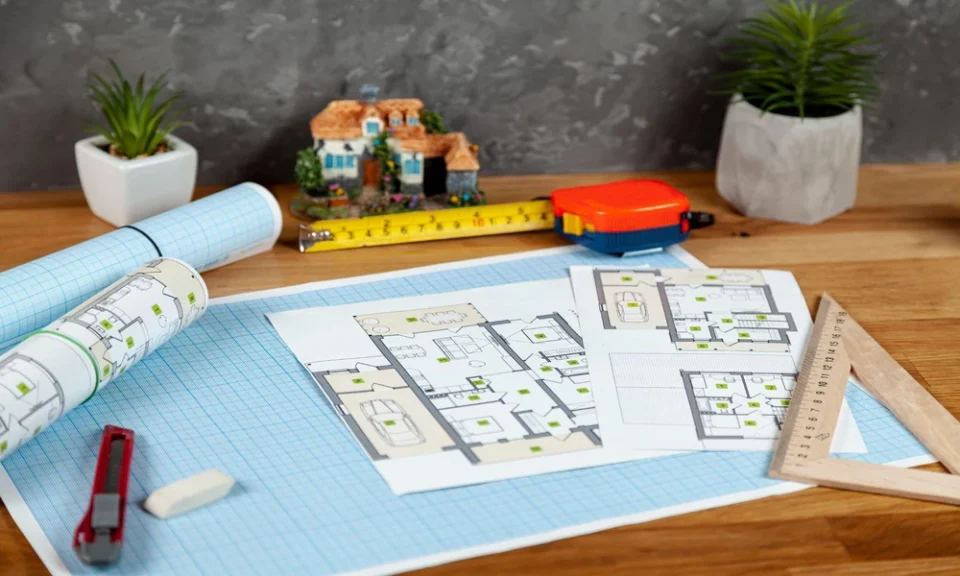
Choosing a landed contractor in Singapore involves more than collecting quotations. A landed property project can involve structural work, architectural decisions, planning requirements, material selections and coordination across several trades.
Homeowners can make the selection process clearer by settling key decisions before requesting proposals. This gives contractors a stronger basis for pricing and helps homeowners assess proposals on a consistent set of requirements.
A design-and-build approach can simplify coordination, yet the arrangement still requires careful decisions from the homeowner.
1. How clearly have you defined the project scope?
Start with the outcome you want from the project. Decide which areas need alteration, which rooms require upgrades and whether the work involves an extension, major renovation or new construction.
A vague scope makes quotations harder to interpret. One contractor may include extensive design work and another may price only construction based on an existing set of drawings.
Write down the intended works before comparing proposals. Include spatial changes, finishes, fixtures and major structural requirements where these have already been established.
2. Who will handle the design decisions?
A design-and-build project can bring design and construction coordination under one arrangement. Homeowners should still understand who prepares the drawings, who coordinates consultants and who is responsible for turning design decisions into construction information.
Ask how revisions are handled and at what stage material selections need to be confirmed.
Clear responsibility can prevent a situation where the homeowner assumes a design detail sits within the contractor’s scope while the contractor expects separate instructions or consultant input.
3. What budget can you realistically commit?
Set a working budget before reviewing proposals. Include the construction price, professional fees, authority-related costs, fittings, finishes and a reasonable allowance for unforeseen work.
The lowest quotation may not represent the lowest eventual expenditure if important items sit outside the stated scope.
When reviewing a quotation from a landed contractor in Singapore, examine what the figure covers rather than focusing on the headline amount alone.
Questions to Ask
- What work is included in the quoted scope?
- Which professional or consultancy fees sit outside the contract?
- How will variations be priced and approved?
- Who coordinates design changes during construction?
- What information does the contractor need before finalising the programme?
These questions can expose gaps before they become disputes.
4. How important is programme certainty to your household?
Landed construction can affect daily routines, temporary accommodation arrangements and other commitments. Establish your preferred completion window and discuss factors that could alter it.
Ask how the contractor develops the construction programme and how progress is communicated.
You should also understand which decisions need to be made early. Delayed selections can affect procurement and subsequent work, particularly for custom items or specialist finishes.
A realistic programme should allow room for design coordination, approvals, procurement and site conditions.
5. What should the contract say about changes?
Construction projects can evolve after work begins. A homeowner may decide to alter a finish, change a fixture or revise a room layout.
The contract should explain how such changes receive approval, how additional costs are calculated and how they affect the completion date.
Review payment stages, warranties, defect arrangements and other contractual terms before committing. If an item remains unclear, resolve it before work starts rather than relying on a verbal understanding.
Turning the Selection Into a Practical Decision
The right contractor should fit the project’s scope, budget, design requirements and desired level of involvement. Homeowners can make the assessment easier by defining these factors before asking for proposals.
A design-and-build arrangement can work well when the homeowner values coordinated responsibility, yet the contract still needs clear boundaries and expectations.
Contact Sim The Builder to discuss your landed property requirements, design-and-build scope and the information needed for a clearer project quotation.
