
Creating Your Dream Home: Custom Design, Furnishings, and Year-Round Comfort
A dream home is more than an attractive collection of rooms, furniture, and decorative accessories. It is a thoughtfully designed living environment that reflects your personality, supports your daily routines, and provides lasting comfort. From intelligently planned storage solutions to carefully selected furnishings and reliable climate control, every element contributes to how a home looks, feels, and functions.
Creating a home that balances aesthetics with practicality requires attention to several important details. Custom cabinetry, for example, can transform underutilized areas into functional storage spaces while adding character to your interiors. Similarly, selecting furniture that complements your floor plan, incorporating appropriate lighting, and maintaining comfortable indoor temperatures can significantly improve your overall living experience.
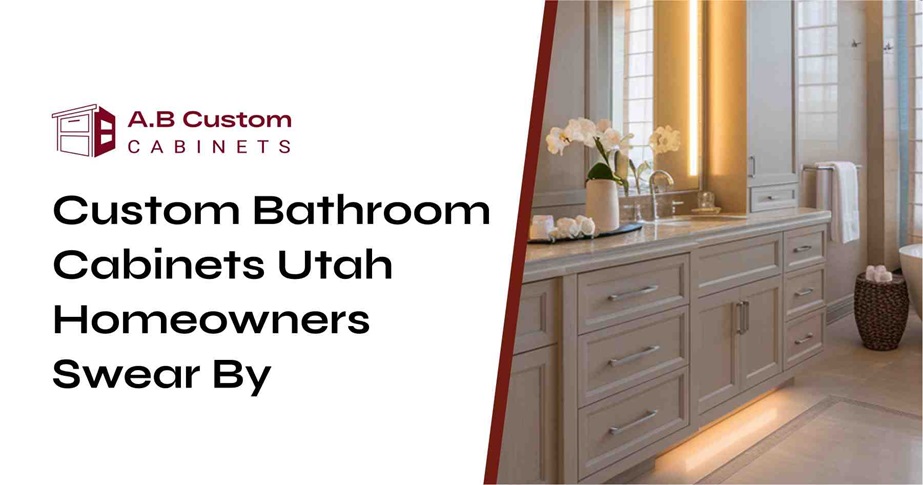
This is particularly important in spaces such as bathrooms, where thoughtful design can make everyday activities more convenient. Investing in custom bathroom cabinets in Utah can help homeowners achieve a combination of personalized storage, attractive finishes, and efficient space utilization. Exploring options such as A.B. Custom Bathroom Design Utah can provide inspiration for creating bathroom interiors that reflect individual preferences and practical requirements.
Throughout this guide, we explore the essential components of a well-designed home, including custom cabinetry, furniture selection, decorative accents, and modern HVAC solutions. Whether you are planning a complete renovation or making gradual improvements, these ideas can help you create a comfortable, organized, and visually appealing living environment.
The Foundation of Function: Custom Design and Built-Ins
A successful home design begins with understanding how each space will be used. While standard furniture and ready-made storage solutions can work in many situations, they do not always accommodate the unique dimensions, architectural features, or storage requirements of individual homes.
This is where custom design and built-in furniture become especially valuable.
Custom cabinetry provides homeowners with greater control over dimensions, materials, finishes, and internal configurations. Instead of adjusting your lifestyle to accommodate standard furniture, you can create solutions that fit your available space and everyday requirements.
In Utah, where homeowners often balance contemporary interiors with practical living requirements, custom bathroom cabinets can be an especially worthwhile improvement. A carefully designed vanity or storage unit can make a bathroom feel more spacious, reduce countertop clutter, and provide dedicated places for everyday essentials.
Maximizing Available Space With Custom Cabinetry
One of the most significant advantages of custom cabinetry is its ability to maximize available space. Standard cabinets are manufactured in predetermined sizes, which can leave unused gaps or create awkward arrangements in rooms with unusual layouts.
Custom cabinets are designed around the actual dimensions of your home. This allows homeowners to make better use of narrow spaces, unusual corners, recessed walls, and areas beneath sloped ceilings.
Bathrooms benefit considerably from this approach because storage space is frequently limited. A custom vanity can incorporate drawers, shelves, and concealed compartments without making the room feel overcrowded.
For example, homeowners can consider:
- Deep storage drawers: Useful for keeping towels, hair dryers, and larger bathroom accessories organized.
- Shallow compartments: Ideal for cosmetics, skincare products, grooming supplies, and smaller toiletries.
- Pull-out organizers: Make frequently used products easier to access without searching through crowded cabinets.
- Built-in laundry storage: Provides a convenient location for hampers and keeps used towels out of sight.
- Vertical storage units: Take advantage of wall height while preserving valuable floor space.
- Integrated electrical outlets: Provide convenient charging locations for compatible bathroom appliances when properly planned and installed.
These details may seem relatively small, but they can make everyday routines noticeably easier.
Why Custom Cabinets Are Different From Stock Cabinets
Stock cabinets are mass-produced and generally available in standard dimensions, materials, and finishes. They can be an economical solution for straightforward renovation projects, but homeowners may need to compromise when the available sizes do not match their requirements.
Custom cabinetry offers greater flexibility. You can select the exact dimensions, door styles, hardware, finishes, and storage arrangements that complement your home.
The construction process can also provide greater control over material selection and workmanship. Experienced cabinet makers can recommend suitable materials and construction methods based on the intended application, expected usage, and environmental conditions.
For bathrooms, moisture resistance deserves particular attention. Properly selected materials, sealed edges, quality finishes, and adequate ventilation all contribute to the longevity of the cabinets.
Although custom cabinetry generally requires a higher initial investment, its personalized design, functionality, and potential durability can make it an appealing long-term improvement.
Key Benefits of Custom Cabinetry
Custom cabinets provide several advantages beyond simply adding storage. They can improve organization, strengthen the visual consistency of your interiors, and make better use of your available floor plan.
1. A Perfect Fit
Custom cabinets are designed to match the dimensions of your room. This minimizes awkward gaps, accommodates unusual layouts, and creates a more integrated appearance. It is particularly beneficial in smaller bathrooms and kitchens where every inch matters.
2. Personalized Style
Your home should reflect your personal preferences rather than follow a standardized design. Custom cabinetry allows you to choose from traditional, contemporary, rustic, transitional, and minimalist styles. You can also coordinate cabinet colors and finishes with flooring, countertops, wall colors, and other interior elements.
3. Greater Material Selection
Depending on the manufacturer and project requirements, homeowners can select different wood species, engineered materials, hardware, and protective finishes. This flexibility makes it easier to balance appearance, performance, and budget.
4. Improved Organization
Custom storage configurations can accommodate everything from everyday toiletries to larger household essentials. Dedicated compartments and pull-out accessories make it easier to maintain an organized environment.
5. Long-Term Value
Well-designed cabinetry can improve the functionality and appearance of a property. While the actual return on investment depends on the project, workmanship, materials, and local market conditions, quality storage solutions can make a home more appealing to prospective buyers.
6. Durability and Craftsmanship
Custom cabinets can be constructed using carefully selected materials and quality joinery. Appropriate finishes and professional installation help protect them against everyday wear and environmental conditions.
Where Custom Built-Ins Can Improve Your Home
Custom built-ins are not limited to bathrooms. They can improve organization and functionality throughout virtually every part of a property.
Popular applications include:
- Kitchen: Custom pantries, islands, appliance garages, and drawer organizers make cooking and food preparation more efficient.
- Bathroom: Personalized vanities, medicine cabinets, and linen storage provide convenient access to everyday essentials.
- Home Office: Built-in desks, bookshelves, filing cabinets, and concealed cable management help create a productive workspace.
- Living Room: Custom entertainment centers, display shelves, and media cabinets provide organized storage while complementing the interior design.
- Mudroom: Built-in benches, lockers, coat hooks, and shoe storage help prevent clutter from spreading into other rooms.
- Laundry Room: Custom cabinets, folding counters, and utility storage make laundry activities more convenient.
The key is to identify areas where existing storage is insufficient or where furniture placement creates unnecessary obstacles. A carefully planned built-in can often solve several problems simultaneously.
Materials and Styles in Modern Home Improvement and Design
Choosing the right materials is an essential part of any cabinetry project. The material affects the cabinet’s appearance, strength, maintenance requirements, and ability to withstand environmental conditions.
For custom bathroom cabinets in Utah, homeowners should pay particular attention to moisture resistance and the quality of protective finishes.
Popular Materials for Custom Bathroom Cabinets
Solid Hardwood
Hardwoods such as maple, cherry, hickory, and oak are popular choices because of their natural appearance and durability.
Maple has a relatively smooth grain that works well with painted and stained finishes. Cherry offers warm reddish-brown tones that gradually deepen with age. Hickory provides distinctive grain patterns and excellent strength, while oak delivers a traditional appearance with prominent natural texture.
Other options, including Rift White Oak and Rustic Walnut, can provide distinctive finishes for contemporary and traditional interiors.
Plywood
High-quality plywood is frequently used for cabinet boxes because of its structural stability and strength. Compared with many lower-grade particleboard products, suitable plywood offers better resistance to changes in moisture and temperature.
However, plywood is not automatically waterproof. Proper edge sealing, construction quality, and protective finishing remain important in bathroom environments.
Medium-Density Fiberboard (MDF)
MDF is an engineered wood product commonly used for painted cabinet doors and drawer fronts. Its smooth surface provides a consistent finish without visible natural wood grain.
It can be particularly suitable for contemporary interiors where homeowners prefer clean, painted surfaces. Standard MDF, however, can swell when exposed to water, so moisture-resistant grades and properly sealed finishes should be considered where appropriate.
Thermofoil
Thermofoil cabinets feature a vinyl surface bonded to an MDF core through a heat-pressing process. They are available in different colors and styles and offer a relatively easy-to-clean surface.
Their performance depends on manufacturing quality, installation, and exposure to heat and moisture. Homeowners should understand the product’s limitations before selecting it for areas near strong heat sources or persistent moisture.
Choosing the Right Cabinet Finish
Cabinet finishes influence the overall atmosphere of a room. They also provide an important protective layer against everyday use, moisture, and cleaning products.
White and light gray finishes remain popular because they create a bright, clean appearance. Natural wood stains are another appealing option, especially for homeowners who prefer warmth and organic textures.
Darker finishes, including charcoal, navy, and deep walnut tones, can create a sophisticated appearance when balanced with suitable lighting and lighter surrounding surfaces.
For bathroom applications, the finish should be selected based on both appearance and performance. A professionally applied moisture-resistant finish can help protect the underlying material and maintain the cabinet’s appearance over time.
Popular Cabinet Styles for Modern Homes
Different cabinet styles can dramatically change the character of a room.
- Shaker Style: Recognized by its simple recessed-panel doors and clean lines, Shaker cabinetry works well in both traditional and contemporary interiors.
- Modern Flat-Panel Cabinets: Also known as slab cabinets, these feature smooth, unadorned surfaces that create a minimalist appearance.
- Traditional Raised-Panel Cabinets: These feature decorative raised center panels and are suitable for more classic or formal interiors.
- Floating Vanities: Wall-mounted vanities create an open appearance by leaving visible floor space beneath the cabinet. They are particularly useful in smaller bathrooms.
- Transitional Cabinetry: This style combines traditional details with modern simplicity, creating a balanced appearance that is less dependent on short-lived trends.
The right choice depends on your home’s architecture, personal preferences, available space, and renovation budget.
Working with experienced designers, including professionals serving the Greater Salt Lake City area, can help homeowners compare different materials, layouts, and finishes before making a final decision.
Defining Your Space: The Role of Furnishings and Decor
Custom cabinetry establishes an important foundation, but furniture and decorative elements bring personality and warmth to a home.
The right furnishings can make an empty room feel welcoming, establish functional areas, and create a consistent design throughout the property. However, successful furniture selection requires more than choosing attractive pieces. Size, proportion, comfort, material, and placement all influence the final result.
A living room, for example, should support conversation, entertainment, and relaxation. A bedroom should provide a comfortable environment for rest while offering practical storage. Dining areas should accommodate everyday meals as well as larger gatherings.
Understanding the purpose of each room before purchasing furniture can help avoid unnecessary expenses and design mistakes.
Planning Furniture Layouts for Better Functionality
Furniture placement has a significant impact on how comfortably people move through a room.
Start by identifying the primary purpose of the space and the activities that will take place there. Next, determine where larger furniture pieces should be positioned before adding smaller accessories.
In a living room, arranging seating around a central focal point can encourage conversation and create a more inviting atmosphere. In a dining room, the table should be positioned to allow comfortable seating and sufficient clearance for people to move around it.
Open-plan interiors require additional attention because furniture can help define separate functional zones without introducing physical walls.
For example, a sofa and area rug can distinguish the living area from the dining space, while a console table can create a subtle visual boundary.
Color and texture also influence the atmosphere. Cool blues and greens can create a calm appearance, while warmer shades can introduce energy and visual warmth. Combining materials such as wood, metal, glass, cotton, and velvet adds depth and prevents interiors from feeling overly uniform.
Selecting Furniture That Complements Your Home
Choosing furniture involves balancing visual appeal with everyday practicality.
1. Consider Scale and Proportion
Furniture should match the dimensions of the room. An oversized sectional may overwhelm a small living room, while undersized furniture can look out of place in a large open area.
Measure the available floor space, doorways, and delivery routes before purchasing larger pieces. Consider how much walking space will remain once the furniture is positioned.
2. Prioritize Functionality
Think about how each item will be used. A comfortable reading chair, a dining table that accommodates your household, and a bed with appropriate storage can provide more everyday value than furniture selected solely for its appearance.
3. Invest in Essential Furniture
Certain furniture pieces are used regularly and deserve greater attention when allocating your budget.
Quality sofas, mattresses, bed frames, and dining tables are examples of purchases where durability and comfort should be prioritized.
Decorative accessories can be updated more frequently, allowing you to refresh the appearance of a room without replacing expensive furniture.
4. Mix Different Design Styles
Combining modern and traditional elements can create a distinctive interior. A contemporary sofa paired with a vintage coffee table, for example, can introduce character without making the room feel inconsistent.
The key is to maintain a connection through complementary colors, materials, or shapes.
5. Balance Trends With Personal Preferences
Interior design trends can provide inspiration, but your home should ultimately reflect your lifestyle and preferences.
Rather than replacing major furniture pieces whenever trends change, introduce current styles through smaller accessories, decorative cushions, artwork, and lighting.
6. Introduce Statement Pieces
A statement piece creates a focal point and gives a room a recognizable character. It could be a distinctive light fixture, a large artwork, an antique cabinet, or a uniquely designed coffee table.
Avoid overcrowding the surrounding area so that the selected feature receives sufficient visual attention.
A Deeper Look at Home Improvement and Design Accents
Once the main furniture pieces are in place, decorative accents help complete the overall design.
These elements are often relatively inexpensive compared with major renovation work, but they can have a considerable impact on the appearance and atmosphere of a room.
Area Rugs
Rugs introduce warmth, color, and texture while helping define different zones within an open-plan layout. They can also reduce sound and make hard flooring more comfortable underfoot.
Choose a size that allows the main furniture pieces to relate visually to the rug rather than appearing disconnected.
Window Treatments
Curtains, blinds, and shades provide privacy and control natural light. They also soften architectural lines and introduce additional texture.
For a more cohesive appearance, consider coordinating window treatments with the room’s color palette and furniture materials.
Artwork and Wall Decor
Artwork, mirrors, framed photographs, and decorative wall hangings provide opportunities for personal expression.
Large mirrors can help smaller rooms feel more open, while carefully selected artwork can establish a focal point above a sofa, bed, or console table.
Throw Pillows and Blankets
Soft furnishings make seating areas feel more comfortable and welcoming. They also provide an easy way to introduce seasonal colors, patterns, and textures without making permanent changes.
Indoor Plants
Plants can add natural color and visual interest to living spaces. Depending on available light and maintenance requirements, homeowners can select suitable indoor varieties to complement their interiors.
Creating a Focal Point
Every thoughtfully designed room benefits from a feature that naturally attracts attention. This might be a fireplace, an attractive window, a custom entertainment unit, or a carefully arranged piece of artwork.
Positioning furniture and accessories around this focal point helps create a balanced composition.
By combining furniture, lighting, colors, and decorative accents carefully, homeowners can create interiors that feel coordinated without sacrificing individuality or comfort.
For additional inspiration when furnishing different rooms, resources featuring Bedroom furniture design can help homeowners explore furniture combinations, layout ideas, and decorative approaches.
Ensuring Year-Round Comfort: The Importance of Climate Control
A beautiful interior is only one part of a comfortable home. Indoor temperature, ventilation, and air quality also have a significant influence on how a property feels throughout the year.
Climate control becomes particularly important in Utah, where seasonal weather can vary considerably. Homes may experience cold winter conditions and warm summer temperatures, making reliable heating and cooling essential.
Modern HVAC systems are designed to do more than simply provide heating and air conditioning. They can also improve temperature consistency, support indoor air quality, and help homeowners manage energy consumption.
Understanding Modern HVAC Systems
HVAC stands for heating, ventilation, and air conditioning. These systems work together to maintain comfortable indoor conditions by regulating temperature and circulating air.
Depending on the property, an HVAC installation may include a furnace, central air conditioner, heat pump, ventilation equipment, ductwork, and indoor air filtration components.
Modern equipment often includes features designed to improve efficiency and provide more consistent comfort.
High-Efficiency Heating and Cooling
Energy-efficient furnaces and air conditioners can help reduce unnecessary energy consumption when correctly sized and installed.
Choosing suitable equipment requires consideration of the home’s size, insulation, window placement, climate, and existing ductwork.
An oversized or undersized system may struggle to maintain comfortable temperatures and can operate less efficiently than a properly designed installation.
Variable-Speed Motors
Variable-speed motors can adjust their operation according to heating and cooling requirements. Instead of repeatedly switching between full output and complete shutdown, some systems operate at lower capacities for longer periods.
This can help improve temperature consistency, reduce operating noise, and support better humidity management.
Improved Indoor Air Quality
Indoor air quality is another important part of residential comfort.
Dust, pollen, pet dander, and other airborne particles can accumulate indoors. HVAC filtration and appropriate ventilation can help manage these contaminants.
Depending on the household’s requirements, homeowners may also consider additional filtration or humidity-control equipment.
Maintaining suitable humidity levels is important for both comfort and the protection of interior materials. Excessive moisture can contribute to problems affecting cabinetry and other wood products, while very dry conditions can affect certain natural materials.
Smart Thermostats and Zoned Climate Control
Technology has made residential climate management more convenient.
Smart thermostats allow homeowners to adjust temperature settings through connected devices. Many models support scheduling, remote access, and energy-use monitoring.
For example, homeowners can reduce heating or cooling when the house is unoccupied and schedule more comfortable temperatures before returning home.
Some systems also provide usage information that helps identify opportunities to improve energy efficiency.
Zoned HVAC systems provide another useful option. They divide a property into separate temperature-control areas, allowing different rooms or floors to operate according to individual requirements.
This can be especially beneficial in larger or multi-story homes where temperatures may vary between floors.
Instead of heating or cooling the entire property uniformly, homeowners can prioritize the areas currently being used.
When planning HVAC equipment, it is also worth considering how the system will integrate with the interior design. Properly positioned vents, discreet ductwork, and appropriately selected wall-mounted units can provide effective climate control without unnecessarily disrupting the appearance of a room.
Maintaining Your HVAC System for Peak Performance
Even high-quality heating and cooling equipment requires regular maintenance.
Routine servicing helps identify developing problems, maintain airflow, and support efficient operation. It can also reduce the likelihood of unexpected equipment failures during periods of extreme temperatures.
Just as custom cabinets need appropriate cleaning and care, HVAC equipment benefits from consistent attention.
Essential HVAC Maintenance Practices
1. Schedule Professional Maintenance
Arrange professional servicing according to the manufacturer’s recommendations and the requirements of your system.
Many homeowners schedule heating inspections in the fall and air-conditioning inspections in the spring. This allows potential issues to be identified before the equipment enters its busiest operating season.
2. Replace Air Filters Regularly
Air filters collect dust and airborne particles as air circulates through the HVAC system.
When filters become clogged, airflow can become restricted, potentially increasing system strain and reducing performance.
Check filters regularly and replace them according to the manufacturer’s instructions. Replacement frequency varies depending on filter type, household conditions, pets, and system usage.
3. Keep Outdoor Units Clear
Outdoor air-conditioning units and heat pump equipment need sufficient airflow to operate properly.
Keep surrounding areas free of leaves, debris, and excessive vegetation. Follow manufacturer recommendations when cleaning the equipment, and avoid damaging sensitive components.
4. Inspect Thermostat Settings
Review thermostat schedules periodically to ensure they match your household’s routine.
Incorrect settings or unnecessary temperature adjustments can increase energy consumption. Smart scheduling can help maintain comfort while reducing unnecessary heating and cooling.
5. Arrange Seasonal System Inspections
Professional HVAC inspections may include checking electrical connections, inspecting coils, assessing refrigerant-related components, examining drainage systems, and evaluating overall system performance.
The exact inspection requirements depend on the equipment and manufacturer guidelines.
For homeowners interested in understanding heating maintenance in greater detail, this resource on family-owned Des Moines furnace repair offers additional information about furnace servicing and maintenance considerations.
6. Address Unusual Noises or Performance Changes
Unusual sounds, weak airflow, inconsistent temperatures, and unexpected increases in energy bills may indicate developing equipment problems.
Rather than ignoring these warning signs, contact a qualified technician to investigate the cause.
7. Understand the Importance of Professional Servicing
HVAC equipment includes electrical components and, in some systems, refrigerants and combustion-related parts. Certain maintenance and repair tasks should only be performed by trained professionals.
Regular inspections can help maintain safe operation, identify potential faults, and support the expected lifespan of the equipment.
A well-maintained HVAC system contributes to a more comfortable indoor environment while complementing the other improvements made throughout your home.
Tying It All Together: A Holistic Approach to Your Dream Home
Creating a dream home requires more than completing individual renovation projects. The most successful results come from coordinating design, furniture, storage, lighting, and climate control as parts of one larger plan.
A cohesive approach helps ensure that every improvement contributes to the overall functionality and appearance of the property.
Start With a Clear Home Improvement Plan
Before beginning renovation work, identify the areas that need improvement and establish your priorities.
For example, a homeowner renovating a bathroom may want to improve storage, replace outdated cabinetry, upgrade lighting, and introduce more practical ventilation.
Considering these requirements together can prevent design conflicts and unnecessary changes later.
A useful planning process includes:
- Evaluate Existing Spaces: Identify areas where storage, lighting, furniture placement, or temperature control could be improved.
- Establish Your Budget: Determine how much you can comfortably invest and divide the budget according to project priorities.
- Choose a Consistent Design Direction: Select a general style, color palette, and material combination that works throughout the home.
- Prioritize Essential Improvements: Address structural, functional, and maintenance-related requirements before focusing on decorative details.
- Consult Experienced Professionals: Work with qualified designers, cabinet makers, contractors, and HVAC technicians where appropriate.
- Plan the Project Timeline: Coordinate material ordering, installation schedules, and renovation work to minimize disruption.
A well-organized plan makes it easier to control costs and maintain consistency across different renovation stages.
Understanding the Custom Cabinet Ordering Process
For homeowners considering custom bathroom cabinets in Utah, understanding the ordering and installation process can make the experience more straightforward.
The process generally begins with an initial consultation.
During this meeting, homeowners discuss their storage requirements, preferred cabinet styles, available space, materials, and budget.
The designer or cabinet maker may then take measurements and prepare drawings or 3D visualizations. These provide an opportunity to review the proposed design before fabrication begins.
Once the design and specifications are approved, the selected materials are ordered and the cabinets are manufactured.
Installation follows, with professionals ensuring that the units are correctly positioned, secured, and finished.
The overall timeline varies depending on the manufacturer, project complexity, material availability, and installation requirements. Rather than relying on a standard completion estimate, homeowners should request a written schedule before approving the project.
Popular Bathroom Cabinet Design Trends
Bathroom design continues to evolve as homeowners look for ways to combine contemporary aesthetics with practical storage.
Some popular design approaches include:
Floating Vanities: Wall-mounted cabinets create an open appearance and make the visible floor area easier to clean.
Natural Wood Finishes: Wood tones add warmth and texture, particularly when paired with neutral tiles and contemporary fixtures.
Minimalist Cabinet Doors: Flat-panel designs provide a clean, streamlined appearance suitable for modern bathrooms.
Integrated Lighting: Carefully positioned lighting around mirrors, vanities, and storage areas improves visibility and creates a more polished atmosphere.
Smart Storage Accessories: Pull-out hampers, drawer dividers, concealed compartments, and integrated outlets help keep everyday essentials organized.
Contrasting Finishes: Combining darker cabinets with lighter countertops or walls creates visual depth without requiring complicated decorative details.
The best approach is to select trends that complement your home’s architecture and remain practical for everyday use.
How to Choose a Reliable Custom Cabinet Maker
Selecting the right cabinet maker is one of the most important decisions in a custom cabinetry project.
The quality of the final installation depends on design experience, material selection, manufacturing standards, and attention to detail.
When comparing cabinet makers in Utah, consider the following factors:
- Experience and Portfolio: Review completed projects to understand the company’s workmanship and design capabilities.
- Customer Reviews: Read feedback from previous customers and look for consistent comments about communication, installation quality, and service.
- Material Transparency: Ask which materials, finishes, hardware, and construction methods will be used.
- Detailed Estimates: Request an itemized quotation covering design, fabrication, materials, delivery, and installation.
- Design Support: Choose a provider that can explain available options and help translate your requirements into a practical design.
- Warranty Information: Understand what is covered, how long the coverage lasts, and how potential issues are handled.
- Communication: A reliable company should explain the project timeline, expected costs, and installation process clearly.
Visiting a showroom or workshop can also help you examine cabinet finishes, hardware, construction details, and available design options before making a decision.
Caring for Custom Cabinets and Interior Finishes
Once your renovation is complete, proper maintenance will help preserve the appearance and functionality of your investment.
Bathroom cabinets should be cleaned regularly using a soft cloth and a mild cleaning solution suitable for the selected finish.
Avoid abrasive sponges, harsh chemicals, and excessive water, as these can damage protective coatings.
Wipe up spills promptly, particularly around sinks and countertop edges. Pay attention to areas where water may collect or penetrate joints.
Good bathroom ventilation is equally important. Use an exhaust fan when showering and allow moisture to escape rather than remaining trapped in the room.
For natural wood cabinets, follow the manufacturer’s care recommendations instead of applying unfamiliar polishing products.
These simple practices can help keep cabinetry looking attractive while reducing the risk of avoidable moisture-related damage.
The Importance of Professional Collaboration
Home improvement projects often involve multiple specialists. Cabinet makers, interior designers, electricians, plumbers, contractors, and HVAC technicians may all contribute to the final result.
Coordinating their work helps ensure that different systems and design elements fit together properly.
For example, bathroom cabinetry should be planned alongside plumbing fixtures and electrical outlets. Similarly, kitchen cabinets should account for appliances, ventilation requirements, and countertop dimensions.
Early coordination can reduce installation conflicts, avoid unnecessary modifications, and improve the overall quality of the finished project.
The goal is to create a home where functionality and visual appeal work together rather than compete for attention.
Frequently Asked Questions About Home Renovation and Design
1. How Do I Start Planning for Custom Cabinets?
Begin by identifying your storage requirements and measuring the available space. Consider which items need to be stored, how frequently they are used, and whether you prefer drawers, shelves, or concealed compartments.
Collect design inspiration and establish a realistic budget that includes materials, hardware, fabrication, delivery, and installation.
Next, consult an experienced cabinet maker who can evaluate your space and recommend suitable solutions. Request detailed drawings, material specifications, and a written quotation before approving the project.
2. Are Custom Cabinets Better Than Stock Cabinets?
Custom cabinets offer greater flexibility in dimensions, materials, finishes, and internal storage configurations. They are particularly useful when a room has unusual dimensions or specific storage requirements.
Stock cabinets are generally more standardized and can be a practical choice for homeowners working with a limited budget or straightforward layouts.
The best option depends on your priorities, available space, expected usage, and overall renovation budget.
3. What Materials Are Best for Bathroom Cabinets?
Solid hardwood, quality plywood, moisture-resistant engineered materials, and appropriately finished MDF are among the options used for bathroom cabinetry.
The right selection depends on the cabinet’s construction, exposure to moisture, desired appearance, and maintenance requirements.
Regardless of the material, proper sealing, installation, and bathroom ventilation are important for long-term performance.
4. How Can I Make a Small Bathroom Feel More Spacious?
Use light colors, appropriately sized fixtures, and efficient storage solutions. Floating vanities can create a more open visual appearance by exposing additional floor space.
Mirrors and layered lighting can also make a compact bathroom feel brighter.
Custom cabinetry is another useful option because it allows storage to be designed around the room’s actual dimensions instead of relying on standard cabinet sizes.
5. What Is the Biggest Mistake to Avoid When Buying New Furniture?
Ignoring scale and proportion is one of the most common furniture-buying mistakes.
Oversized furniture can make a room feel cramped, while undersized pieces may appear disconnected from the surrounding space.
Measure your room carefully before purchasing furniture. Remember to account for doorways, hallways, walking paths, and the clearance required to open drawers and cabinet doors.
6. How Often Should I Have My HVAC System Serviced?
HVAC maintenance should follow the manufacturer’s recommendations and the requirements of your particular equipment.
Many homeowners arrange professional heating and cooling inspections seasonally, with a heating check before winter and an air-conditioning inspection before summer.
Regular servicing can help identify developing problems, maintain airflow, and support efficient operation.
7. Can Smart Thermostats Help Reduce Energy Costs?
Smart thermostats can help manage energy use by allowing homeowners to schedule temperature adjustments according to their daily routines.
Many models also offer remote access and usage information.
Actual savings depend on the existing HVAC system, household habits, insulation, local weather, and thermostat settings. Proper installation and suitable programming are important for achieving the intended benefits.
8. How Can I Protect Custom Bathroom Cabinets From Moisture?
Start by selecting appropriate materials and moisture-resistant finishes for the bathroom environment.
Ensure that cabinet edges and joints are properly sealed, wipe up standing water promptly, and use an exhaust fan to control humidity.
Regularly inspect areas around sinks and countertops for signs of water penetration or finish damage. Addressing small issues early can help prevent more extensive repairs.
9. Is It Better to Renovate One Room at a Time or the Entire Home?
The answer depends on your budget, renovation goals, and the amount of disruption you can accommodate.
Renovating one room at a time makes it easier to distribute expenses and maintain access to the rest of the property.
A larger renovation may offer better opportunities to coordinate design choices, electrical work, plumbing, cabinetry, and other improvements.
Discuss the advantages and limitations of each approach with your contractor before deciding.
Final Thoughts: Build a Home That Works for Your Lifestyle
Creating a comfortable and attractive home is an ongoing process that involves thoughtful planning and attention to detail.
Custom cabinetry helps maximize storage and make better use of available space. Carefully selected furniture and decorative accessories add personality, warmth, and functionality. Meanwhile, a properly maintained HVAC system supports comfortable indoor temperatures and better air circulation throughout the year.
The most successful home improvement projects balance these elements rather than treating them as separate decisions.
Whether you are updating a bathroom with personalized cabinetry, furnishing a living room, improving your kitchen storage, or upgrading your home’s climate control, focus on solutions that meet your actual needs and complement your long-term vision.
By choosing suitable materials, working with experienced professionals, and maintaining your improvements properly, you can create a living environment that remains practical, welcoming, and visually appealing for years to come.
Ultimately, a dream home is not defined by expensive furniture or elaborate finishes. It is a space where every detail serves a purpose, every room feels comfortable, and the overall design supports the way you want to live.
Start planning your home improvements today and explore custom built-in solutions that can transform unused spaces into beautiful, functional parts of your home.
