
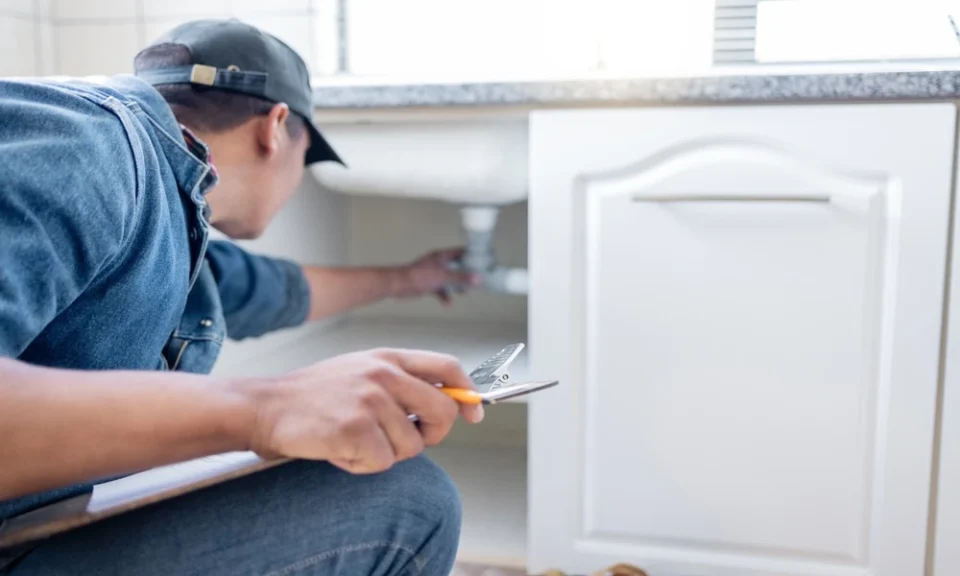
A plumbing system can appear perfectly functional while hidden problems slowly develop behind walls, beneath floors, and inside underground pipes. A minor leak, gradual corrosion, or unnoticed blockage may not immediately disrupt daily activities, but these issues can eventually lead to expensive repairs and property damage. Preventive plumbing inspections are a practical method for householders to safeguard their investment and ensure a comfortable living environment by identifying potential issues before they escalate.
Rather than waiting for a plumbing emergency, property owners can benefit from scheduling routine inspections with experienced professionals. Services from providers such as Cooper Plumbing Houston TX can be considered when homeowners need professional assistance evaluating plumbing conditions, identifying potential concerns, and planning necessary maintenance. Understanding what preventive inspections involve can help property owners make informed decisions about protecting their plumbing systems.
The Purpose of Preventive Plumbing Inspections
A preventive plumbing inspection involves examining important components of a property’s plumbing system to identify wear, damage, leaks, and developing performance issues. Unlike emergency repairs, which address problems after they occur, preventive inspections focus on detecting concerns early.
Professional plumbers typically examine exposed pipes, faucets, toilets, drains, water heaters, and accessible plumbing connections. Depending on the property’s condition and inspection requirements, additional testing may be recommended to evaluate hidden leaks or sewer line problems.
These inspections are particularly valuable for older properties where plumbing materials may have experienced years of corrosion, pressure fluctuations, and everyday wear. However, newer homes can also benefit because installation defects, loose connections, and unexpected drainage issues may develop regardless of a building’s age.
Identifying Hidden Leaks Before They Cause Damage
Water leaks are among the most common plumbing problems that can remain unnoticed for extended periods. A small leak beneath a sink or behind a wall may gradually damage cabinets, flooring, insulation, and structural materials.
During preventive inspections, plumbers look for moisture accumulation, unusual water pressure changes, corrosion, and other indications of leakage. They may also examine water meter readings or use specialized equipment when hidden leaks are suspected.
Early identification allows homeowners to arrange repairs before moisture spreads throughout the property. Addressing leaks promptly can also reduce unnecessary water consumption and prevent conditions that encourage mold growth.
Protecting Drainage Systems From Unexpected Blockages
Drainage problems often develop gradually as grease, soap residue, food particles, hair, and other debris accumulate inside pipes. Initially, homeowners may notice only slightly slower drainage. Over time, however, these deposits can restrict water flow and create stubborn blockages.
Preventive inspections help identify drainage concerns before complete obstructions occur. Plumbers may evaluate drainage performance, inspect accessible pipe connections, and recommend professional cleaning when necessary.
Regular attention to drainage systems is especially important in households with heavy kitchen and bathroom usage. Preventing recurring blockages can reduce unpleasant odors, wastewater backups, and interruptions to everyday activities.
Maintaining Water Heater Performance and Safety
Water heaters play an essential role in household comfort, supplying hot water for bathing, cleaning, cooking, and other activities. Despite their importance, these appliances often receive attention only when hot water becomes unavailable.
Preventive plumbing inspections provide an opportunity to examine water heater connections, visible corrosion, leaks, and signs of declining performance. Professionals may also assess temperature settings, pressure relief components, and maintenance requirements according to the appliance manufacturer’s recommendations.
Sediment accumulation inside tank water heaters can reduce heating efficiency and contribute to premature wear. Appropriate maintenance can help preserve performance and extend equipment life, although the necessary procedures depend on the water heater’s design and condition.
Reducing the Risk of Costly Plumbing Emergencies
Plumbing emergencies can create substantial inconvenience, particularly when burst pipes, sewer backups, or major leaks affect occupied areas of a property. Emergency repairs may also involve additional expenses related to water extraction, damaged materials, and temporary service interruptions.
Preventive inspections cannot eliminate every unexpected plumbing failure, but they can reduce certain risks by identifying vulnerable components.
For example, a plumber may discover deteriorating supply lines, damaged shutoff valves, or excessive water pressure. Correcting these conditions early can help prevent more extensive damage.
Property owners also gain a better understanding of their plumbing system’s condition, allowing them to prioritize repairs according to urgency and available budgets.
Improving Water Efficiency and Managing Utility Costs
An inefficient plumbing system can waste significant amounts of water without producing obvious warning signs. Running toilets, dripping faucets, and poorly functioning fixtures may continuously increase household water consumption.
Preventive inspections help identify these problems and create opportunities for practical improvements. Replacing worn components, repairing leaks, and adjusting unsuitable water pressure can contribute to better efficiency.
Homeowners may also receive recommendations about modern water-saving fixtures that maintain everyday convenience while reducing unnecessary consumption.
Creating a Practical Plumbing Maintenance Schedule
The appropriate inspection frequency depends on factors such as property age, plumbing materials, previous repair history, and household water usage. Older homes or properties with recurring plumbing concerns may require more frequent professional attention.
Homeowners should also monitor changes between inspections, including unexplained water bills, unusual pipe noises, slow drains, reduced water pressure, and persistent moisture around fixtures.
Keeping records of inspections and completed repairs makes it easier to track recurring problems and plan future maintenance.
Conclusion
Preventive plumbing inspections offer a practical approach to protecting residential properties from avoidable damage and unexpected repair expenses. By identifying hidden leaks, monitoring drainage performance, evaluating water heaters, and addressing aging components, homeowners can maintain more reliable plumbing systems.
Although routine inspections require some planning and investment, they can support long-term savings, improved water efficiency, and greater peace of mind. Taking action before plumbing problems escalate is often more convenient and manageable than responding to an unexpected emergency.
