
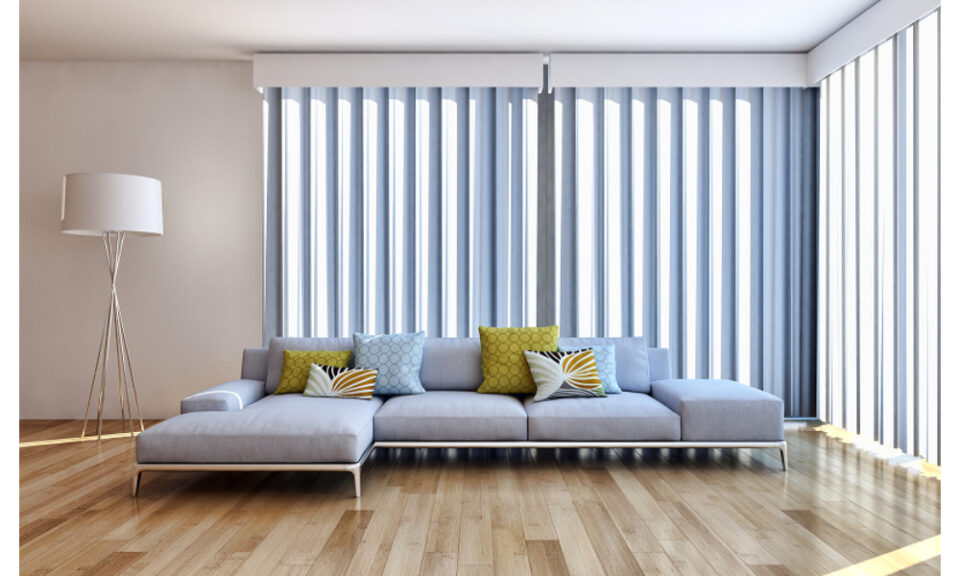
Window blinds play a key role in controlling light, improving privacy, and enhancing the aesthetic of Singapore homes. Choosing the right type influences comfort, energy efficiency, and upkeep. Homeowners often consider bamboo blinds or fabric blinds as primary options due to their contrasting appeal and practicality. Each material performs differently depending on humidity levels, sunlight exposure, and desired style.
Singapore’s tropical climate demands materials that endure heat and moisture while maintaining visual appeal. Understanding how bamboo blinds and fabric blinds perform helps determine which option fits specific living conditions.
Bamboo Blinds: Natural Appeal and Functional Strength
Bamboo blinds provide a timeless look with their organic charm and sturdy composition. The natural material resists warping under heat, making it ideal for Singapore’s humid environment. The structure allows light to filter through without full exposure, maintaining privacy while keeping interiors bright.
Homeowners who choose bamboo blinds enjoy easy cleaning, as the material repels dust better than fabric. Wiping or brushing the surface keeps it clean without complex maintenance. The slatted design also supports ventilation, helping reduce indoor temperature naturally.
Bamboo blinds often complement minimalist or tropical-inspired interiors. Their earthy tones pair well with wood or neutral décor, offering an eco-friendly option. Despite their durability, bamboo blinds perform best in areas shielded from heavy rain or continuous moisture, such as balconies, patios, and living rooms.
Cost-wise, bamboo blinds often provide good value due to their lifespan and minimal upkeep. Their sustainability also appeals to eco-conscious homeowners seeking long-term performance with natural design elements.
Fabric Blinds: Versatility and Comfort
Fabric blinds, on the other hand, bring softness and warmth to modern interiors. Their wide colour and texture selection allows customisation, fitting different home styles and themes. These window blinds perform well in bedrooms and study rooms, creating a calm atmosphere while softening light entry.
Fabric blinds also offer thermal and acoustic insulation benefits. They reduce glare and absorb sound, improving comfort for indoor spaces. Motorised versions further increase convenience, allowing easy adjustment with remote or smart controls.
Maintenance, however, requires consistent effort. Fabric attracts dust and may retain moisture, especially in Singapore’s humid weather. Regular vacuuming or professional cleaning ensures cleanliness and prevents mould growth. Homeowners should choose high-quality, mildew-resistant fabric for longer use.
While fabric blinds enhance interior elegance, their lifespan depends on fabric quality and exposure. Constant sunlight may cause fading, making UV-resistant coatings an advantage for long-term use.
Comparing Performance for Singapore Conditions
Singapore’s weather presents consistent humidity, strong sunlight, and occasional heavy rain. Bamboo blinds withstand such elements better than fabric blinds, offering durability without sacrificing ventilation. Their solid texture provides shade while keeping rooms airy.
Fabric blinds excel in interior comfort and design versatility, fitting enclosed and air-conditioned spaces. They perform well where moisture exposure is limited. However, bamboo blinds deliver better resilience for outdoor or semi-outdoor applications, such as balconies or verandas.
Installation also influences performance. Bamboo blinds require sturdy mounts due to their heavier build, while fabric blinds need precise fitting to prevent sagging. Homeowners should consider the room’s function and the direction before deciding.
Cost varies according to design, material grade, and control mechanism. Bamboo blinds may have higher initial costs but demand less maintenance. Fabric blinds, while cheaper upfront, might incur additional cleaning expenses over time.
Choosing Based on Lifestyle and Aesthetic
Selecting between bamboo blinds and fabric blinds depends on lifestyle, location, and home design. Homeowners prioritising durability, easy care, and eco-friendly materials often choose bamboo blinds. Those preferring softness, variety, and insulation may lean towards fabric blinds.
In homes combining both styles, bamboo blinds can enhance communal spaces while fabric blinds elevate comfort zones like bedrooms. Mixing materials allows practical use of each blind’s advantage without compromising design cohesion.
Interior trends in Singapore increasingly focus on functionality aligned with sustainability. Bamboo blinds meet these priorities, while fabric blinds continue offering flexible aesthetic value. Both options improve energy efficiency by reducing sunlight penetration and indoor heat.
Enhance every room with functional window blinds suited for Singapore’s tropical environment. Choose materials that blend comfort, design, and lasting performance. Contact Window Art Gallery for curtains and quality blinds in Singapore tailored to your home’s style and lighting needs.
