
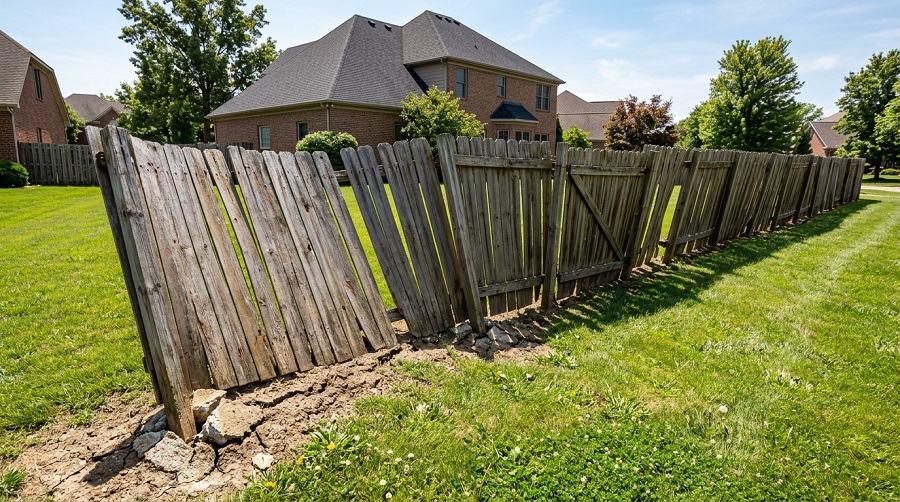
Many homeowners jump into the process with a DIY spirit only to realize that a single measurement error or a missed permit can lead to costly legal disputes or structural failure. When you’re spending thousands of dollars to define your property lines, there is no room for guesswork or “close enough” workmanship.
Navigating the complexities of local zoning laws and soil conditions requires a professional eye to ensure the barrier stands the test of time. Between 2024 and 2026, industry data suggests that regulatory oversights and poor post-setting remain the leading causes of premature fence replacement. Taking the time to understand these pitfalls now ensures your project results in a durable, high-quality perimeter rather than a stressful and expensive headache.
Key Takeaways
- Hiring a licensed surveyor and setting fence lines two to six inches inside property boundaries prevents costly legal disputes and forced removals due to encroachment.
- Securing municipal permits and HOA approvals is a non-negotiable step to ensure installations meet local height, material, and safety regulations.
- Contacting 811 to mark underground utilities is essential to avoid life-threatening safety risks and massive financial liability for damaged gas or electrical lines.
- Structural integrity depends on setting posts at least one-third underground—ideally below the frost line—and using pre-mixed concrete to prevent leaning, rotting, or collapse.
Legal Hazards And Property Line Disputes
One of the most expensive blunders a homeowner can make is assuming they know exactly where their property ends without a professional survey. E5ven a minor encroachment of a few inches onto a neighbor’s yard can trigger heated legal disputes or a formal demand to tear the structure down. I always recommend that property owners locate their official survey stakes or hire a licensed surveyor before any digging begins. By setting the fence line approximately two to six inches inside the actual boundary, you create a necessary buffer for future maintenance and repairs. This proactive approach prevents accidental trespassing and ensures that your investment remains a source of privacy rather than a legal liability.
Navigating the complex web of local building codes and Homeowners Association (HOA) regulations is another critical step that many DIY enthusiasts overlook. Every municipality has specific requirements regarding fence height, material types, and even which side of the fence must face the street. Failing to secure the proper municipal permits can result in heavy fines or a forced removal of the entire installation. I have seen many projects stalled because the owner did not realize their HOA required a formal design review and approval process. Following these guidelines from the start ensures your project meets safety standards and maintains the aesthetic harmony of the neighborhood.
While the temptation to handle these legalities independently is strong, professional installation services offer a significant advantage in managing regulatory hurdles. Experts in the field understand the nuances of local zoning laws and often handle the permit acquisition process on behalf of the client. For homeowners looking to avoid these common pitfalls, a professional team can ensure that every post is placed in compliance with both city ordinances and property deeds. Choosing a reputable service provider guarantees that the installation is not only beautiful but also fully protected against future legal challenges. This peace of mind allows you to enjoy your new backyard sanctuary without the hovering cloud of potential litigation.
Underground Utility Damage And Safety Risks
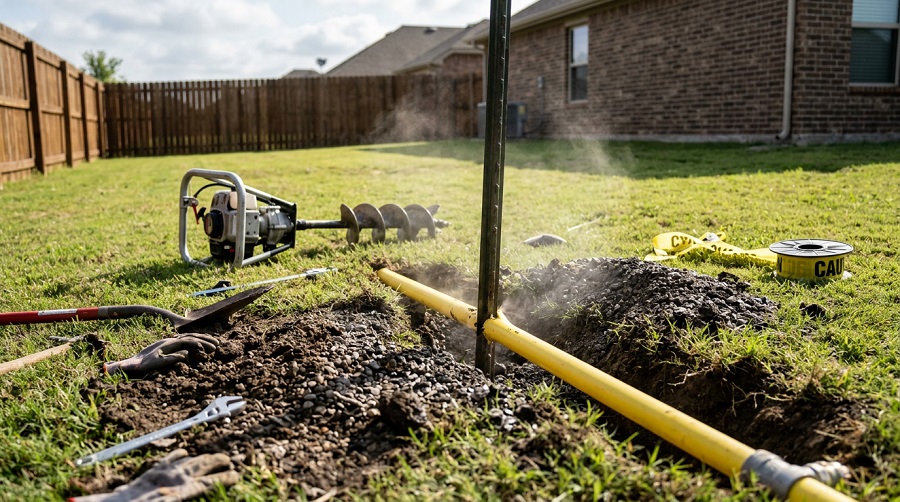
One of the most dangerous shortcuts a homeowner can take is failing to call 811 before breaking ground on a fence project. While it may seem like a simple task to dig a few post holes, underground utility lines for gas, electricity, and water are often buried much shallower than people realize. Striking a high pressure gas line can lead to immediate evacuations, fire hazards, and potential injury to anyone in the vicinity. Beyond the physical danger, the person responsible for the damage is often held liable for the massive repair costs charged by utility companies. This simple oversight can instantly transform a weekend DIY project into a high stakes emergency that compromises the safety of the entire neighborhood.
Beyond the immediate safety risks, hitting a utility line creates a logistical nightmare that can stall your property improvements for weeks. Water line ruptures can cause flash flooding that erodes your landscaping and damages the structural integrity of your new fence posts. If you accidentally sever an underground fiber optic or electrical cable, you may face significant fines and the loss of essential services for your home and your neighbors. Professional installers prioritize the 811 process because they understand that a beautiful fence is only as good as the safety of the ground it stands on. It is far better to delay the start of your project by a few days for a proper marking service than to deal with the legal and financial fallout of a utility strike.
For those who want to ensure their installation is handled with the highest level of caution and expertise, working with a seasoned professional is the best path forward. Professional fencing experts take the guesswork out of the equation by managing the utility marking process and ensuring every post is placed safely. These teams understand the local soil conditions and the depth requirements for various utilities, which provides homeowners with peace of mind throughout the build. By choosing a dedicated service provider, you can focus on the aesthetic results of your project while the experts handle the complex safety protocols. Investing in professional oversight is the most reliable way to avoid the costly disasters that often plague uncertified installations.
Structural Failures From Poor Post Anchoring
The foundation of any durable fence lies in the hidden architecture of its post holes, yet many installers underestimate the physics involved. A common mistake involves digging shallow holes that fail to reach the frost line, which inevitably leads to the fence leaning or heaving as the ground shifts with the seasons. Professional standards generally dictate that at least one third of the post should be underground to counteract wind resistance and gravity. When homeowners bypass this step, they risk a total structural collapse during the first major storm. Expert teams prevent these failures by utilizing professional grade depth specifications tailored to the specific soil composition of the property.
Properly securing those posts requires more than just depth, as the chemistry of the anchoring material is equally vital. Many DIY projects suffer from improper concrete mixing, such as pouring dry mix into a hole and adding water on top, which often results in a brittle and porous base. This mistake allows moisture to seep in, eventually rotting wood posts or corroding metal ones from the inside out. I always recommend a thorough pre-mix to ensure a consistent, rock-solid bond that can withstand lateral pressure over time. By prioritizing precise alignment and high-quality concrete ratios, professional installers ensure that every installation remains perfectly plumb for years to come.
Material Weathering And Improper Gate Placement
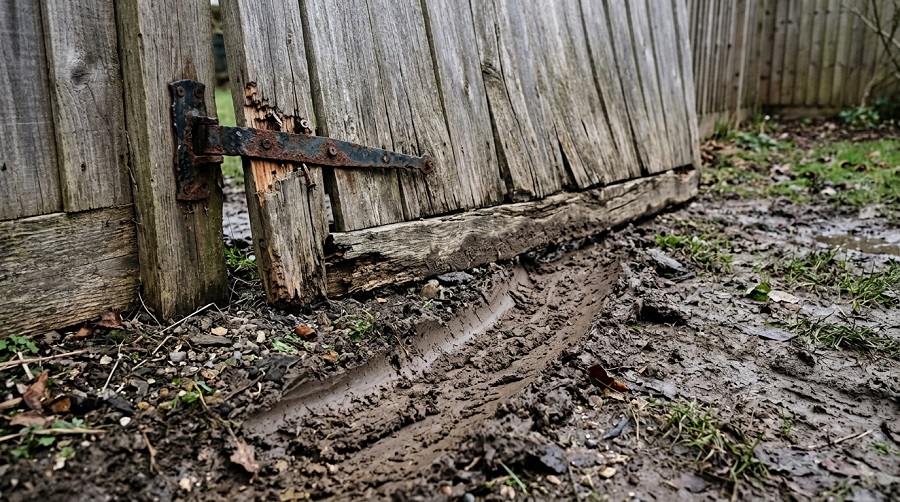
Choosing the wrong material for your local climate is a frequent oversight that can lead to premature degradation and wasted money. In areas with high humidity or frequent rainfall, untreated wood can warp or rot within just a few seasons, while certain metals may succumb to oxidation and rust if not properly coated. I have seen homeowners invest heavily in beautiful cedar or pine only to realize that their specific environment requires the resilience of vinyl or powder coated aluminum. It is essential to match the material’s durability to your regional weather patterns to ensure the structure remains sturdy for decades. Professional installers often recommend weather resistant composites or treated lumber that can withstand extreme temperature fluctuations without cracking.
Improper gate placement and the use of substandard hardware represent another major pitfall that can compromise the functionality of your entire perimeter. A gate is the only moving part of your fence, meaning it experiences constant mechanical stress and requires extra clearance to account for ground shifting or debris. If the gate is installed too low or without heavy duty hinges, it will eventually sag, drag against the ground, and fail to latch securely. I always suggest using reinforced gate posts and high quality latches that can handle the weight of the gate over time. Ensuring there is enough space for the swing arc prevents the gate from becoming a source of constant frustration and costly repairs.
Protect Your Investment From Costly Blunders
Avoiding these common installation errors is the difference between a fence that lasts for decades and one that requires costly repairs within the first year. I have seen how easy it is to overlook property lines or local zoning laws, which often leads to frustrating legal disputes or the forced removal of a brand new structure. By prioritizing accurate surveys and securing the necessary permits, homeowners can protect their investment and maintain positive relationships with their neighbors. Proper planning ensures that the perimeter is not just a physical barrier, but a long term asset to the property.
While a DIY approach might seem tempting at first, the technical demands of setting posts and navigating utility lines often require specialized expertise. Partnering with a seasoned professional guarantees that every post is set at the correct depth and every material choice aligns with local climate demands. My team brings the precision needed to handle uneven terrain and complex layouts that often trip up less experienced installers. Professional oversight provides peace of mind, ensuring the final result is both structurally sound and aesthetically pleasing.
Ultimately, a successful fence project relies on a balance of high quality materials and meticulous craftsmanship. I recommend focusing on the total ownership value of professional installation to avoid the stress of correcting preventable mistakes later on. My professional fencing services offer the specialized knowledge and personal service required to navigate these challenges seamlessly from start to finish. Choosing an expert path allows property owners to enjoy their new sense of security without the headaches of poor workmanship. Investing in professional skills today prevents the expensive failures of tomorrow.
Frequently Asked Questions
1. Do I really need a professional survey before installing my fence?
Yes, relying on guesswork for your property lines is a recipe for a legal nightmare. I always advise hiring a licensed surveyor to locate your official stakes so you can set your fence a few inches inside the boundary. This small buffer protects you from encroachment disputes and provides space for future maintenance.
2. How can I avoid getting in trouble with my HOA or local city council?
Every neighborhood has its own set of rules regarding fence height, materials, and even color. I recommend reaching out to your HOA board and local building department to secure the necessary permits before you buy any materials. Taking this step early ensures your beautiful new perimeter meets all legal standards and avoids forced removal.
3. What are the most common structural mistakes that lead to fence failure?
Poor post setting and ignoring local soil conditions are the top reasons fences lean or collapse prematurely. I use professional techniques to ensure every post is set at the correct depth and anchored securely to withstand the elements. My goal is to provide a custom solution that remains sturdy and straight for years to come.
4. Why should I hire a professional instead of doing it myself?
While the DIY spirit is great, a single measurement error can lead to structural failure or expensive legal battles. I bring years of expertise and a professional eye to every project, ensuring your investment is handled with precision. From navigating zoning laws to perfect post placement, I handle the hard work so you can enjoy a stress free transformation.
5. What areas do you serve and when are you available?
I am proud to offer my fencing expertise across an extensive service area with flexible hours to fit your busy schedule. Whether you need a consultation on a weekend or a site visit during the week, I am here to provide personal service and custom solutions. Check out my before and after photos to see the high quality results I deliver to neighbors just like you.
6. Can a small measurement error really cost that much money?
Absolutely, because even being off by two inches can mean you are trespassing on a neighbor’s property. If that happens, you might be legally forced to tear down the entire structure and start over at your own expense. I prioritize accuracy from the very first measurement to protect your wallet and your property rights.
