
Key Takeaways
- Technicians measure electrical load and refrigerant pressure to confirm component failure before replacing parts.
- System performance is verified through temperature differential testing and airflow inspection.
- Proper aircon troubleshooting isolates faults within electrical, mechanical, or refrigerant systems.
Introduction
When a cooling unit stops working in Singapore’s humid climate, discomfort builds quickly. Many homeowners assume a major part has failed, yet experienced technicians do not begin with replacement. Aircon repair in Singapore starts with inspection and measurement. Each component is tested in sequence so the technician can identify the exact source of failure. This approach prevents unnecessary part changes and reduces repeat breakdowns. The following eight checks explain how professionals confirm the real cause before recommending repair.
1. Electrical Current Draw
A technician measures the compressor’s operating amperage using a clamp meter. The reading is compared to the manufacturer’s specification printed on the unit label. If the current exceeds the rated value, the compressor motor is working harder than intended. Excessive draw usually indicates internal wear, insufficient lubrication, or voltage imbalance. A low reading may signal a weak capacitor or incomplete start cycle. This measurement confirms whether the motor operates within safe limits before further action.
2. Refrigerant Pressure Levels
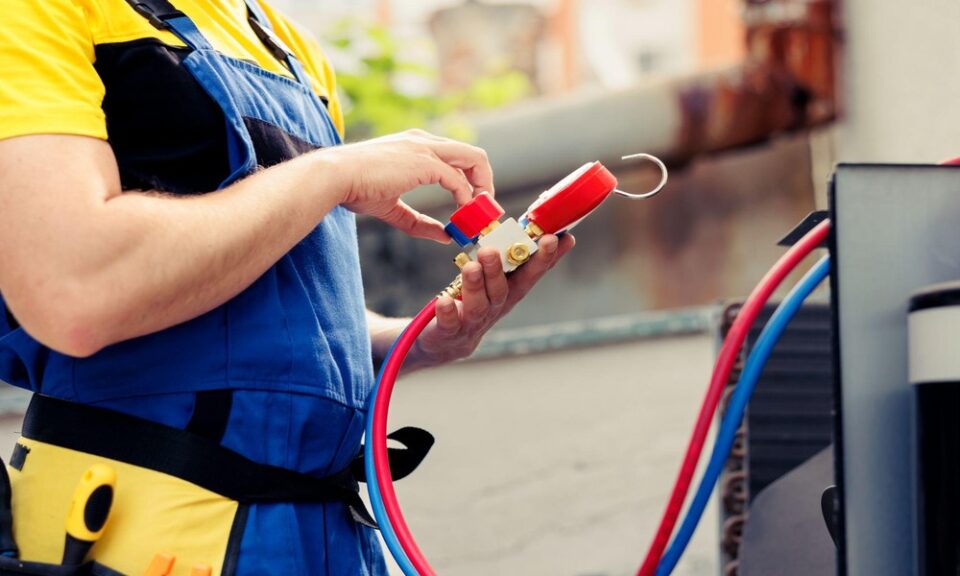
Using a manifold gauge, the technician checks both suction and discharge pressures while the system runs. Suction pressure reveals how effectively refrigerant absorbs heat inside the room. Discharge pressure shows how well the condenser releases that heat outdoors. Low suction pressure often indicates a leak or blockage at the expansion device. High discharge pressure may point to restricted airflow across the condenser coil. These readings determine whether the issue lies within the sealed refrigerant system rather than electrical components.
3. Capacitor and Compressor Start Condition
The compressor depends on start and run capacitors to initiate rotation. The technician inspects each capacitor for swelling, leakage, or burnt terminals. A multimeter measures capacitance to confirm it matches the rating printed on the casing. Weak capacitors prevent the compressor from starting under load, which causes repeated clicking or short cycling. Replacing a faulty capacitor can restore function without replacing the compressor itself. This check prevents unnecessary aircon compressor repair when a smaller component is responsible.
4. Printed Circuit Board Inspection
The indoor and outdoor units communicate through a printed circuit board. The technician removes the cover and inspects the board for burnt tracks, loose solder joints, or insect contamination. In Singapore’s climate, small insects frequently enter control panels and cause short circuits. A visual inspection combined with voltage testing confirms whether signals travel correctly between sensors and motors. Faults in the board can prevent startup even when mechanical components remain intact.
5. Sensor and Thermistor Testing
Temperature sensors regulate cooling cycles by reporting room conditions to the control system. The technician measures resistance across each thermistor and compares the value to the manufacturer’s temperature chart. A faulty reading causes the system to misjudge room temperature and shut off prematurely. When sensors send incorrect data, the compressor stops before sufficient cooling occurs. Accurate sensor readings ensure that the unit responds properly to actual room conditions.
6. Temperature Differential Measurement
Aircon troubleshooting includes measuring the difference between return air temperature and supply air temperature. The technician places a thermometer at the intake vent and another at the outlet. In a properly functioning system, the difference should typically range between eight and twelve degrees Celsius. A smaller gap suggests weak heat exchange due to dirty coils or low refrigerant levels. This measurement confirms whether cooling performance meets operational standards.
7. Fan Motor and Blade Condition
Airflow determines how effectively heat transfers across coils. The technician manually rotates the fan blades to detect bearing resistance or imbalance. Electrical continuity testing verifies that motor windings remain intact. Bent blades or worn bearings reduce airflow and increase strain on the compressor. Correcting these mechanical issues restores proper circulation and prevents overheating.
8. Drainage System Verification
Blocked condensate drains frequently cause water leakage and ceiling damage. The technician pours water into the drain pan to confirm smooth flow through the discharge pipe. Slow drainage indicates sludge buildup or partial blockage. Clearing the line prevents secondary damage and eliminates moisture accumulation inside the unit. This final step ensures that aircon repair in Singapore addresses both cooling performance and water management.
Conclusion
Accurate diagnosis determines whether aircon repair in Singapore solves the real problem or only delays failure. Each check isolates a specific system component and verifies performance against measurable standards. Electrical readings, refrigerant pressure, airflow, and drainage conditions provide clear evidence before any recommendation is made. A methodical inspection protects homeowners from unnecessary part replacement and repeat service visits.
For expert air conditioning troubleshooting and accurate air conditioning repair in Singapore supported by comprehensive diagnostic testing, get in touch with Cool Channels Engineering.
