
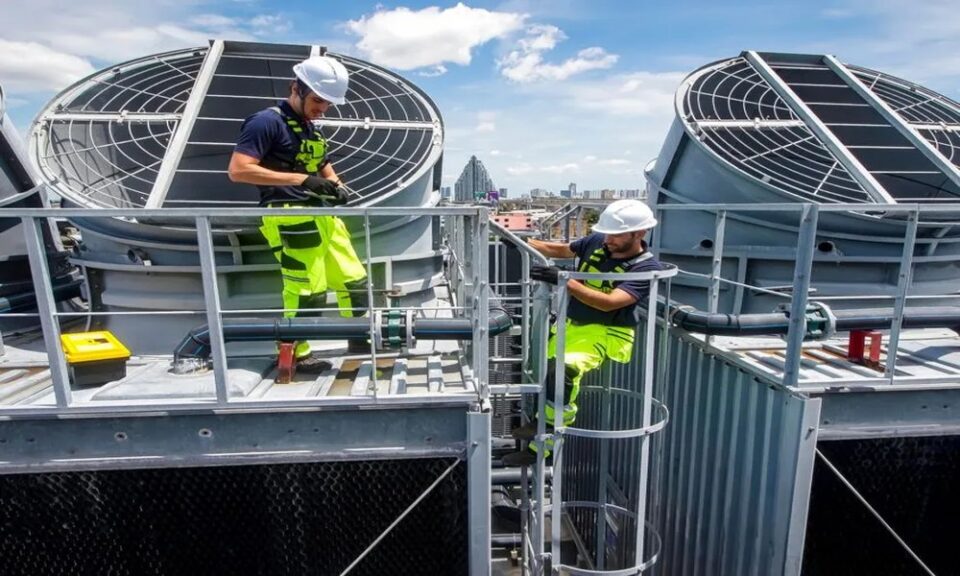
For the modern homeowner, the heating, ventilation, and air conditioning (HVAC) system is the unsung hero of daily comfort. It hums along in the background, regulating temperatures during sweltering summer afternoons and providing a warm sanctuary when the winter frost sets in. However, because these systems are often tucked away in basements, attics, or outdoor enclosures, they frequently suffer from “out of sight, out of mind” syndrome. Many people wait until a strange grinding noise or a complete system failure occurs before calling a technician. By then, the damage is often extensive and expensive. Transitioning to a proactive mindset by enrolling in a comprehensive HVAC maintenance plan is the single most effective way to protect this significant financial investment.
A proactive approach to home maintenance does more than just prevent sudden breakdowns; it ensures that every mechanical component operates at its peak intended performance. When an HVAC system is neglected, it doesn’t just stop working overnight; it undergoes a slow, invisible decline in efficiency. Dust accumulates on sensitive sensors, lubrication in motor bearings dries out, and electrical connections can loosen due to the constant vibration of operation. These minor issues force the system to work harder and run longer to achieve the same cooling or heating results. Over time, this extra strain shortens the lifespan of the equipment and leads to a noticeable creep in monthly utility expenditures.
The Science of Efficiency: How Cleaning Impacts Performance
At its core, an HVAC system is a heat exchanger. In the summer, it removes heat from your indoor air and releases it outside; in the winter, the process is reversed or supplemented by a furnace. This exchange relies heavily on clean surfaces. When the evaporator and condenser coils become coated in a layer of grime, pet dander, or outdoor pollutants, they act as an unintended layer of insulation. This prevents the refrigerant from efficiently absorbing or releasing heat, forcing the compressor to run for extended cycles.
Restoring Airflow for Maximum Output
Airflow is the lifeblood of any climate control system. A clogged air filter or a blower motor covered in dust creates static pressure, which acts like a physical weight on the system’s “lungs.” During a routine checkup, a technician ensures that the air path is clear and that the blower fan is balanced. This restoration of airflow doesn’t just make the house feel more comfortable; it reduces the amperage draw of the motor, which is reflected directly as a lower number on your energy bill.
Financial Benefits of a Dedicated Maintenance Strategy
The immediate cost of a service visit often deters homeowners, yet the long-term financial math heavily favors those who plan ahead. When you participate in a structured HVAC maintenance plan, you are essentially purchasing insurance against catastrophic failure. Most emergency repairs happen during the first extreme heatwave or cold snap of the season when technicians are in high demand and rates are at their peak. Regular inspections allow you to identify a fraying belt or a failing capacitor during a scheduled visit, replacing a fifty-dollar part before it causes a thousand-dollar compressor failure.
Furthermore, almost all major HVAC manufacturers-including brands like Carrier, Trane, and Lennox-require proof of annual professional maintenance to keep the factory warranty valid. If a major component fails in year five of a ten-year warranty, the manufacturer may request service records. Without them, you could be left footing the bill for a repair that should have been covered. In this light, preventive care is not an additional expense; it is a vital step in maintaining the legal protections of your equipment’s warranty.
Extending the Lifespan of Your Equipment
The average HVAC system is designed to last between 15 and 20 years. However, neglect can easily shave five to seven years off that estimate. Constant overheating and “short-cycling”-where the system turns on and off too frequently-place immense thermal stress on the heat exchanger and compressor. These are the most expensive parts to replace, often totaling half the cost of a new system. By keeping the system clean and well-calibrated, you reduce the heat and friction that lead to metal fatigue and electrical burnout, ensuring you get every possible year of service out of your investment.
Key Advantages of Consistent HVAC Care
Scannability is essential for understanding the breadth of benefits offered by professional care. Beyond just “fixing things,” here is what a high-quality maintenance routine provides for your home:
- Lower Monthly Utility Bills: Optimized systems consume less electricity and gas to reach the desired thermostat setting.
- Enhanced Indoor Air Quality: Regular cleaning prevents the circulation of mold spores, dust mites, and allergens throughout the house.
- Safety Assurance: Professional inspections include testing for carbon monoxide leaks and gas line integrity, protecting your family from invisible threats.
- Consistent Home Comfort: Properly maintained units provide more even temperature distribution, eliminating “hot spots” or “cold zones.”
- Quieter Operation: Tightening loose components and lubricating motors eliminates the rattles and squeaks often associated with aging units.
Environmental Responsibility and Home Value
In today’s world, energy efficiency is synonymous with environmental stewardship. An HVAC system that runs efficiently uses fewer natural resources and has a smaller carbon footprint. For the eco-conscious homeowner, regular maintenance is a simple way to contribute to a greener planet while saving money. Additionally, if you ever decide to sell your home, a documented history of professional HVAC care is a powerful selling point. It demonstrates to potential buyers that the home has been meticulously maintained, often leading to a smoother inspection process and a higher closing price.
Conclusion
The comfort of your home is built upon the reliability of your HVAC system. By shifting from a “wait-and-see” approach to a strategy of preventive care, you protect your finances, your equipment, and your family’s safety. The cumulative benefits of lower energy bills, extended system life, and improved air quality far outweigh the modest time and effort required to schedule an annual tune-up. Take control of your home’s climate today by reaching out to a trusted professional to discuss a long-term care strategy. Your HVAC system-and your wallet-will certainly thank you for it in the years to come.
