
Key Highlights
- Structural movement and poor surface preparation are leading causes of leaks.
- Improperly sealed joints and transitions allow water to bypass standard barriers.
- High-quality membrane waterproofing provides a flexible, continuous shield.
- Selecting robust construction materials in Singapore is vital for humid conditions.
Introduction
Water has a deceptive way of finding the path of least resistance, especially when your building is subjected to the intense tropical downpours common in Southeast Asia. You might think a coat of standard paint or a layer of concrete is enough, but the reality of structural maintenance is far more demanding than simple aesthetics.
Many developers often overlook the microscopic vulnerabilities that lead to massive repair bills later down the line. When you invest in the right construction materials in Singapore, you are essentially buying peace of mind against the inevitable humidity that seeks to rot your infrastructure from the inside out.
Failure 1: The Trap of Structural Movement
Every building breathes and shifts as the ground settles or as temperatures fluctuate between the scorching midday sun and the cooler evening air. This thermal expansion causes rigid materials like concrete to develop hairline fractures that act as open invitations for moisture ingress. Without a flexible membrane waterproofing layer, these tiny cracks eventually widen into significant structural threats. You need a system that stretches and contracts alongside the substrate rather than snapping under the pressure of minor seismic or thermal shifts.
Failure 2: Inadequate Surface Preparation
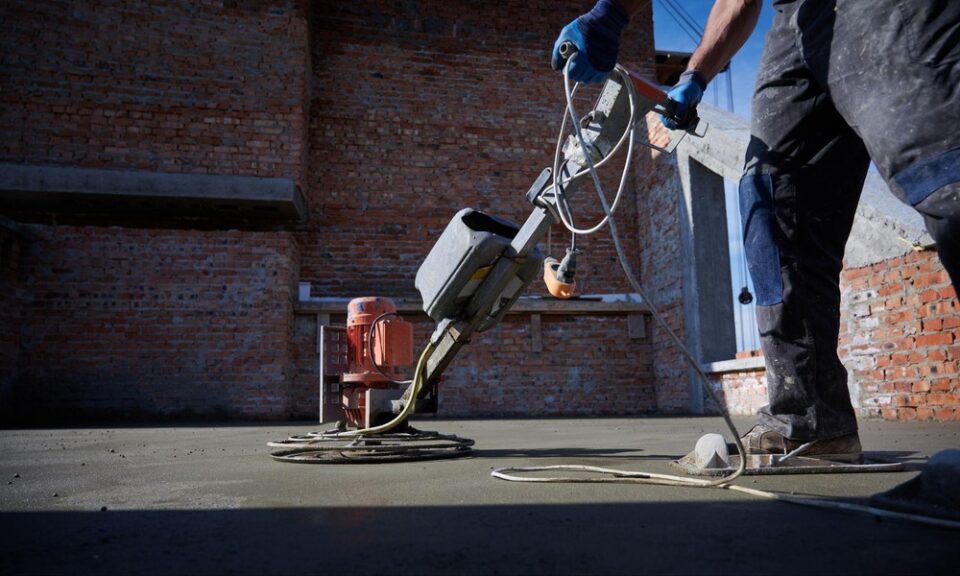
The most sophisticated chemicals in the world will fail if they are applied to a dusty or damp surface because the bond between the material and the floor simply cannot form correctly. Many contractors rush the cleaning phase to meet tight deadlines, which results in the protective layer peeling away like a bad sunburn after just a few months. Integrating high-performance membrane waterproofing requires a pristine environment to ensure the liquid or sheet application fuses permanently with the slab. Using superior construction materials means acknowledging that the preparation phase is just as critical as the final application.
Failure 3: Weakness at the Joints and Transitions
Corners and floor-to-wall joints are the most notorious failure points in any wet area because water tends to pool and exert hydrostatic pressure on these seams. A flat surface is easy to protect, but the vertical-to-horizontal transitions require specific detailing that standard cementitious products often lack. Modern membrane waterproofing systems use reinforced tapes or liquid-applied fillets to create a seamless transition that moves with the joint. If your project relies on subpar construction materials in Singapore, these corners will be the first places where dampness manifests through the ceiling below.
Failure 4: Incorrect Material Selection for the Environment
Choosing a product meant for a dry basement and using it on a rooftop garden is a recipe for an expensive disaster due to UV degradation and root penetration. Singapore’s unique environment demands materials that can withstand constant UV exposure without becoming brittle or losing their elastomeric properties. Specifying the correct membrane waterproofing for the specific application ensures that the barrier remains intact despite constant sun and rain cycles. You cannot afford to cut corners by using generic materials when the local climate is so unforgiving to external surfaces.
The Membrane Advantage
A continuous barrier acts as an unbreakable skin for your building that prevents liquid water from ever reaching the structural steel or concrete core. Unlike traditional methods that rely on the thickness of the material for protection, modern systems focus on chemical resilience and elasticity. This ensures that even if the concrete beneath it cracks, the water remains trapped on the exterior surface. It is the definitive solution for high-rise balconies, flat roofs, and intricate bathroom layouts where traditional drainage might struggle to keep up.
Conclusion
Waterproofing is not just an added expense but a fundamental pillar of structural longevity that protects your investment from the corrosive effects of the environment. By identifying these common failure points early, you can implement a robust strategy that utilises the best technology available. Long-term success depends on matching the right application with the right environmental stressors.
Contact Ardex-Quicseal Singapore now to discover the ultimate range of construction materials in Singapore and high-performance membrane waterproofing solutions!
