
Key Takeaways
- Ergonomic chairs for home must support different postures and sitting durations for work-from-home tasks versus gaming sessions.
- Work-from-home setups prioritise neutral posture, task-specific adjustability, and sustained comfort over long, uninterrupted hours.
- Gaming setups place a higher load on recline support, head and neck positioning, and dynamic movement tolerance.
- Ergonomic supplies complement chairs differently in professional workstations compared to entertainment-focused setups.
Introduction
Ergonomic chairs for home are often marketed as a one-size-fits-all solution, yet the demands of work-from-home setups and gaming environments are structurally different. Work-from-home users require stable posture support for prolonged keyboard and screen use, frequent task switching, and compliance with occupational health guidelines. Gaming users apply different load patterns on chairs through recline angles, extended static postures during play, and more aggressive body movement. Knowing how requirements change between these two use cases is essential for selecting the appropriate chair specification and deploying ergonomic supplies effectively without overinvesting in features that will not be used.
Posture Demands
Work-from-home seating prioritises neutral spinal alignment, particularly lumbar and pelvic support that sustains an upright posture across long working hours. The chair must allow fine-grain adjustability for seat height, lumbar depth, armrest height, and seat pan depth to maintain ergonomic alignment when typing, reading, and attending video calls. Static postures are sustained for longer time blocks, which increases the importance of micro-adjustments that reduce cumulative musculoskeletal strain. Ergonomic chairs for home designed for office work typically emphasise forward tilt control, controlled recline tension, and breathable backrests to regulate heat during extended sessions.
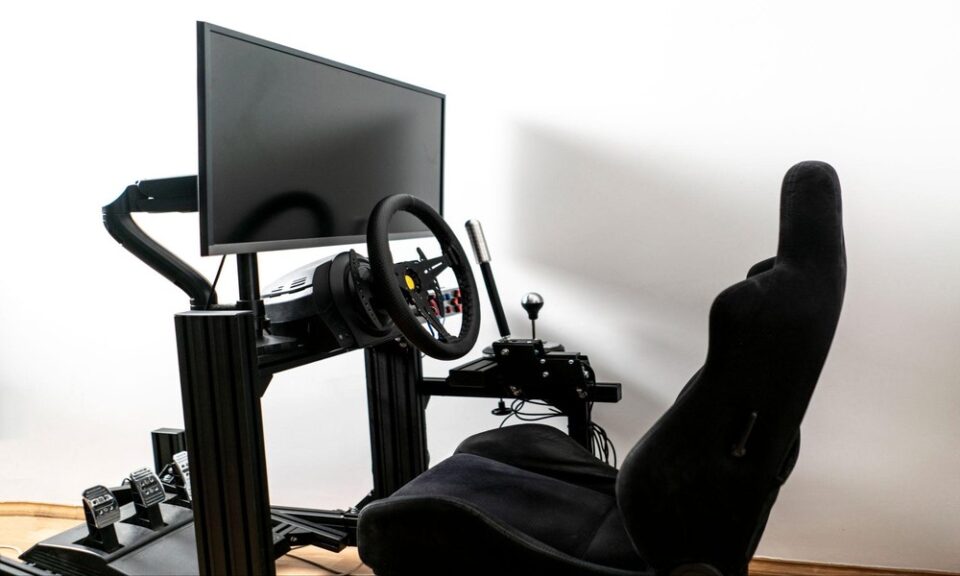
Gaming setups change the loading pattern on the spine and neck. Users frequently recline, lean forward during high-attention play, and remain in fixed postures for extended periods without task-based posture shifts. This situation places greater demand on recline stability, headrest positioning, and upper-back contouring to prevent neck fatigue and thoracic slumping. A chair designed primarily for work may lack sufficient head and shoulder support for prolonged reclining. Ergonomic supplies such as lumbar cushions and neck supports may be used more frequently in gaming contexts to compensate for limited built-in contouring.
Movement Patterns and Sitting Duration
Work-from-home users typically cycle between keyboard work, reading, calls, and short standing breaks. Chairs need to accommodate frequent micro-movements without destabilising the user’s posture. Synchronous tilt mechanisms and seat edge flexibility support these transitions while maintaining ergonomic alignment. Ergonomic supplies such as footrests and monitor risers are more commonly used in professional setups to fine-tune workstation geometry when desk height or monitor placement cannot be altered.
Gaming sessions often involve longer, uninterrupted sitting periods with fewer posture changes. Chairs must maintain structural stability under prolonged recline loads and sudden shifts in body weight. The foam density, recline locking mechanism, and frame rigidity experience higher stress under gaming use compared to standard desk work. Ergonomic supplies used in gaming setups tend to focus on pressure relief and fatigue reduction rather than workstation geometry. Wrist supports, seat cushions, and foot supports are deployed to manage discomfort over long sessions rather than to optimise typing posture.
Adjustability Requirements and Feature Priorities
Adjustability breadth is more valuable than aesthetic design for work-from-home environments. Independent adjustments for lumbar depth, armrest width, and seat pan angle allow the chair to be tuned to different task postures and body dimensions. Ergonomic chairs for home that are optimised for work also integrate better with standard desk heights and peripheral placement. Ergonomic supplies are typically used to correct workstation mismatches, such as adding monitor arms or keyboard trays when furniture dimensions are fixed.
Gaming environments prioritise recline range, headrest height, and side-bolster contouring to support non-neutral postures. Excessive adjustability in armrests and lumbar systems may go unused if the user consistently sits in a reclined or forward-leaning gaming posture. Ergonomic supplies are often introduced to compensate for static positioning rather than to enable precise ergonomic tuning. This instance shifts the value equation towards durability and load tolerance rather than fine ergonomic calibration.
Durability, Wear Patterns, and Long-Term Performance
Work-from-home usage produces wear in tilt mechanisms, armrest joints, and mesh tension systems due to frequent adjustments and continuous daily load. Chairs selected for this use case should prioritise component serviceability and rated duty cycles suitable for eight-hour daily use. Ergonomic supplies in professional setups experience frequent repositioning, which increases wear on clamps, joints, and padding materials.
Gaming use concentrates wear on recline mechanisms, headrests, and seat foam due to sustained recline angles and higher pressure loads on limited contact areas. Chairs not designed for this pattern may lose support integrity faster. Ergonomic supplies used in gaming setups tend to experience compression fatigue and material breakdown earlier due to prolonged static loading.
Conclusion
Work-from-home and gaming setups impose different structural and ergonomic demands on ergonomic chairs for home. Professional environments prioritise sustained neutral posture, frequent adjustability, and workstation integration, while gaming environments place higher emphasis on recline stability, head and neck support, and load tolerance under prolonged static use. Ergonomic supplies should be selected based on the dominant use case rather than added as generic accessories, as their functional value differs significantly between productivity-focused and entertainment-focused setups.
Contact Ergoworks and stop fixing discomfort with short-term ergonomic supplies.
