
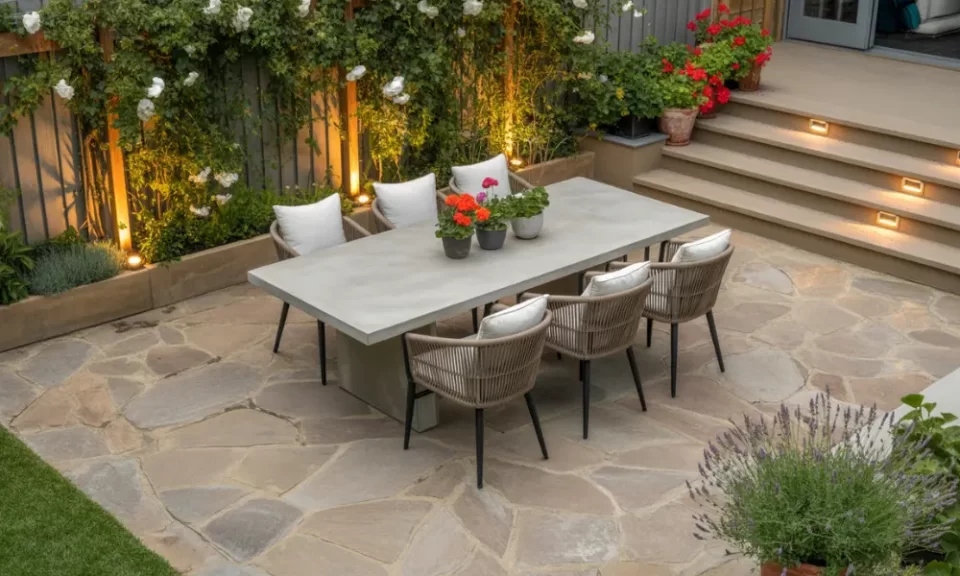
Spring brings a sense of renewal — warmer weather, blooming gardens, and the perfect opportunity to refresh your outdoor spaces. But beyond upgrading your patio furniture or planting new flowers, spring is also an excellent time to make your home more accessible and inclusive. A few simple DIY projects can enhance safety, usability, and comfort for everyone, including family, friends, and guests with mobility challenges.
Whether you’re adding ramps or reorganizing your storage with accessible sheds, here’s how to make your yard not only beautiful but welcoming to all.
Start with Smooth Access: DIY Ramps and Pathways
One of the most effective ways to improve accessibility is by installing ramps to replace or complement stairs. A well-built ramp provides safer, smoother access for wheelchair users, individuals with walkers, and even parents pushing strollers.
DIY tip: You can build a durable wooden ramp using treated lumber and non-slip treads to handle outdoor weather. Make sure the ramp’s slope is gentle — a 1:12 ratio (one inch of rise for every 12 inches of length) is recommended for comfortable use.
If you prefer a quicker solution, modular aluminum ramps or composite kits can be installed in just a few hours, and many come with adjustable legs for uneven terrain. These portable ramps are especially convenient if you plan seasonal changes in your yard or move them between entry points.
To complete your upgrades, consider widening garden pathways and resurfacing them with smooth pavers or composite decking, rather than gravel or uneven stone. The goal is to create a continuous, slip-resistant walking surface that connects all areas of your backyard.
Add an ADA-Friendly Pool Lift for Inclusive Fun
As temperatures rise, few things are as inviting as a backyard pool. But for individuals with limited mobility, getting in and out of the water safely can be a challenge. Adding ADA-compliant pool lifts is one of the most valuable outdoor investments for both accessibility and enjoyment.
These battery-powered or hydraulic lifts make pool access smooth and dignified, whether for family use or visiting guests. Many DIY-friendly models are designed for easy installation, attaching directly to the pool deck with just a few bolts. Some portable lifts require no permanent mounting, making them ideal for adaptable spaces or vacation homes.
When selecting your lift, look for features like adjustable seat heights, waterproof controls, and sturdy stainless-steel construction. Consider both weight capacity and rotation range to ensure easy transfer from wheelchairs or scooters. Also, keep aesthetics in mind — modern designs blend seamlessly with contemporary pool decks.
Accessible Gardening: Raised Beds and Easy-Reach Planters
Spring gardening should be enjoyable for everyone, regardless of mobility level. Raised garden beds and vertical planters are simple projects that bring soil and blooms within easy reach.
Build your own raised bed using cedar boards or composite panels; a height of 24 to 30 inches works well for seated gardening. You can also buy ready-made, waist-height planters that fit neatly on patios or decks.
To make the setup even more accessible, space pathways between beds wide enough for wheelchairs or garden carts. Consider drip irrigation systems or automatic watering timers to reduce bending and lifting for maintenance. If you love container gardening, use lightweight pots and set them on sturdy tables or stands. A combination of native flowers, herbs, and succulents can create a vibrant, low-maintenance garden that supports pollinators.
Upgrade Outdoor Storage and Organization
An often-overlooked part of accessibility is outdoor storage. Heavy, cluttered sheds or storage boxes can make retrieving garden tools or seasonal decor frustrating. Spring is the perfect time to reorganize these spaces with ADA-friendly design in mind.
Look for shed options with wide double doors, low thresholds, and sturdy flooring for safe entry. For homeowners who want ample space without sacrificing convenience, large sheds from Keter are known for their durability, weather resistance, and easy assembly. Their resin construction means less maintenance, and some even feature skylights and ventilation panels to keep the interior bright and comfortable.
Inside the shed, add pegboards or adjustable shelving that can be reached while seated. Place heavier items on waist-level shelves to minimize bending and lifting. These simple changes can make daily tasks much easier while keeping your outdoor area tidy and organized.
Lighting, Safety Rails, and Finishing Touches
Once your main upgrades are in place, enhance visibility and safety with thoughtful lighting and handrails. Install solar pathway lights along ramps and walkways for nighttime navigation. Motion-sensor lights near doorways can also help prevent accidents.
For decks and elevated areas, add handrails or grab bars with textured grips to improve balance and support. These can be installed with just a few tools and lend both safety and a polished look.
Don’t overlook comfort details, such as accessible seating areas. Choose outdoor furniture with firm cushions and arms for easy standing. Creating multiple seating zones allows everyone to enjoy different parts of the yard, from shady garden corners to sunny poolside spots.
Upgrading your outdoor spaces for accessibility isn’t just about meeting guidelines — it’s about creating a home that feels open, functional, and inviting for everyone. With just a few weekend projects, you can transform your yard into a versatile retreat that supports independence and connection.
This spring, focus on small changes that yield big results: smoother pathways, improved entryways, accessible fun in the pool, organized storage, and safer, well-lit spaces. Your thoughtful updates will ensure that every visitor — regardless of mobility — can share in the beauty and comfort of your outdoor home sanctuary.
