
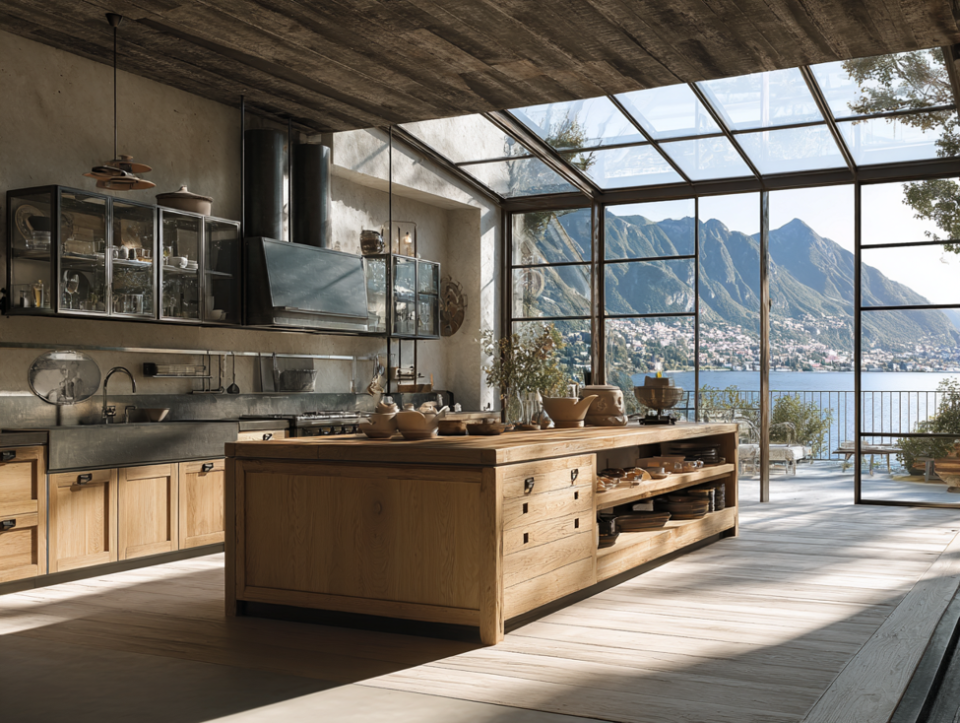
Kitchen design trends come and go, but some styles always find a way back into the spotlight. Over the last few years, homeowners have seen a strong return of natural wood finishes in kitchens. One of the biggest surprises has been the renewed interest in oak cabinetry. Yet while oak is making headlines, another wood choice is quietly becoming a favorite among designers and homeowners alike: oak kitchen cabinets.
The growing popularity of natural wood kitchens has helped bring attention to materials that offer warmth, durability, and timeless beauty. Among them, maple stands out because it combines a classic appearance with a clean, modern feel. As people move away from all-white kitchens and seek spaces that feel more welcoming, maple cabinets are becoming an important part of the conversation.
In this article, we’ll explore why the return of wood cabinets matters, why maple continues to gain popularity, and how it can transform the look and function of a kitchen.
Why Wood Cabinets Are Trending Again
For years, painted cabinets dominated kitchen design. White, gray, and navy cabinets became common choices in homes of all sizes. While these colors remain popular, many homeowners are now looking for something that feels more natural and personal.
Wood cabinets bring texture and character into a kitchen. Instead of creating a flat look, they add depth and visual interest. Natural wood grains create unique patterns, making every kitchen feel one of a kind.
Several factors are driving this trend:
- Desire for warmer living spaces
- Increased interest in natural materials
- Popularity of organic modern design
- Growing appreciation for timeless styles
- Focus on sustainability and long-lasting materials
As these trends continue, wood cabinets are becoming a preferred choice for both remodels and new construction projects.
Why Maple Kitchen Cabinets Are Standing Out
While oak often gets attention for its distinctive grain pattern, maple offers a smoother and more versatile appearance. This makes it attractive to homeowners who want a balance between traditional and modern design.
Oak is known for its subtle grain and light color. These characteristics allow it to fit into many different kitchen styles without overwhelming the space.
Some key reasons homeowners choose maple include:
Clean and Elegant Appearance
Maple has a refined look that works well in contemporary kitchens. Its smooth grain creates a cleaner appearance compared to some other hardwoods.
This simplicity allows designers to create kitchens that feel bright, open, and sophisticated.
Excellent Durability
Kitchens experience daily wear and tear. Cabinets must handle frequent use, moisture, cooking heat, and occasional impacts.
Maple is a strong hardwood that resists dents and scratches better than many softer wood species. This durability makes it a practical choice for busy households.
Versatile Design Options
Maple accepts stains and finishes very well. Whether you want a natural wood look, a rich brown finish, or a modern painted appearance, maple can adapt to your design goals.
This flexibility helps homeowners achieve a customized look without sacrificing quality.
The Shift Toward Warm and Natural Kitchens
One reason wood cabinets are becoming more popular is the desire for warmth. Many homeowners feel that overly white kitchens can sometimes appear sterile or cold.
Natural wood helps create a more inviting environment.
Maple’s light tones are especially effective at brightening a room while still adding warmth. Unlike darker woods that may make a space feel smaller, maple reflects light and contributes to an airy atmosphere.
This balance is particularly valuable in:
- Small kitchens
- Open-concept homes
- Modern farmhouse designs
- Scandinavian-inspired interiors
- Transitional kitchen styles
The result is a space that feels both fresh and comfortable.
How Maple Fits Modern Design Trends
Today’s kitchen designs focus on simplicity, functionality, and natural beauty. Maple aligns perfectly with these priorities.
Minimalist Kitchens
Minimalist kitchens emphasize clean lines and uncluttered surfaces. Maple’s subtle grain complements this style without becoming a distraction.
Flat-panel doors paired with maple finishes create a sleek and modern appearance.
Organic Modern Design
Organic modern design combines contemporary elements with natural materials. Wood cabinets play a major role in achieving this look.
Maple works beautifully alongside:
- Stone countertops
- Matte black fixtures
- Natural lighting
- Neutral color palettes
- Open shelving
Together, these elements create a kitchen that feels balanced and welcoming.
Transitional Kitchens
Many homeowners want a kitchen that combines traditional charm with modern convenience.
Maple’s timeless appearance makes it ideal for transitional spaces. It bridges the gap between old and new, helping create a design that remains attractive for years.
The Long-Term Value of Maple Cabinets
Kitchen renovations are major investments. Homeowners naturally want materials that will continue to look appealing long after current trends fade.
Maple offers strong long-term value because it has remained popular for decades.
Unlike trendy finishes that may feel outdated after a few years, maple provides a classic foundation that adapts easily to changing design preferences.
Benefits include:
- Long lifespan
- Strong resale appeal
- Timeless appearance
- Easy maintenance
- Wide design compatibility
Because of these advantages, many homeowners view maple as both a design choice and a smart investment.
Maple Kitchen Cabinets and Home Resale Value
A kitchen often plays a major role in a buyer’s first impression of a home.
Potential buyers tend to appreciate kitchens that feel clean, bright, and well maintained. Maple naturally supports these qualities.
Its neutral appearance appeals to a broad range of tastes, making it easier for future buyers to imagine themselves living in the space.
Real estate professionals frequently note that kitchens with quality wood cabinetry tend to attract more interest than kitchens with lower-grade materials.
While no renovation guarantees a specific return, durable and attractive cabinets can contribute positively to overall home value.
Popular Maple Cabinet Finishes
One reason maple remains popular is the variety of finishes available.
Natural Maple
Natural finishes highlight the wood’s original color and grain.
This option creates a bright and airy atmosphere while showcasing the beauty of the material itself.
Light Stains
Light stains enhance maple’s warmth while maintaining its clean appearance.
These finishes are ideal for homeowners seeking a modern organic style.
Medium-Tone Stains
Medium stains provide additional richness and depth.
They work especially well in traditional and transitional kitchens.
Painted Maple Cabinets
Because maple has a smooth surface, it is often chosen for painted cabinetry.
White, cream, gray, and soft green finishes can all look stunning on maple cabinet doors.
Pairing Maple Cabinets With Other Materials
Successful kitchen design depends on creating harmony among different materials.
Maple cabinets pair well with many popular choices.
Countertops
Popular countertop options include:
- Quartz
- Marble-look surfaces
- Granite
- Butcher block
These materials complement maple’s natural beauty while enhancing functionality.
Flooring
Oak cabinets work well with:
- Hardwood flooring
- Luxury vinyl plank
- Tile flooring
- Natural stone
The key is choosing flooring that creates contrast without clashing.
Hardware
Modern hardware choices include:
- Matte black pulls
- Brushed brass handles
- Satin nickel fixtures
- Stainless steel accents
These details can significantly influence the overall style of the kitchen.
Easy Maintenance for Busy Families
Homeowners often worry about maintaining wood cabinets. Fortunately, maple is relatively easy to care for.
Simple habits can help preserve its appearance:
- Wipe spills promptly
- Use mild cleaning products
- Avoid excessive moisture
- Clean grease buildup regularly
- Protect surfaces from harsh chemicals
With proper care, maple cabinets can maintain their beauty for many years.
Sustainability Matters More Than Ever
Many homeowners are paying closer attention to environmental impact when selecting building materials.
Wood cabinets can be a sustainable choice when sourced responsibly.
Because maple is durable and long-lasting, it reduces the need for frequent replacements. Products that last longer often create less waste over time.
Consumers increasingly value materials that combine beauty, performance, and sustainability, making maple an attractive option for environmentally conscious households.
Why the Return of Wood Cabinets Matters
The return of wood cabinets represents more than a design trend. It reflects a broader shift in how people think about their homes.
Many homeowners want spaces that feel authentic, comfortable, and connected to nature. Natural materials help achieve these goals.
While oak may have sparked renewed interest in wood cabinetry, maple is proving that it deserves equal attention. Its clean appearance, impressive durability, and timeless versatility make it one of the strongest cabinet choices available today.
Rather than following short-lived design fads, homeowners are increasingly investing in materials that offer lasting beauty and function.
Final Thoughts
The renewed appreciation for wood cabinetry is changing kitchen design in exciting ways. Although oak has returned to the spotlight, oak kitchen cabinets continue to win over homeowners and designers who want a balance of warmth, durability, and modern style.
Maple’s smooth grain, adaptable appearance, and long-lasting performance make it an excellent choice for kitchens of all sizes. Whether you’re planning a complete renovation or simply exploring design ideas, maple cabinets offer a timeless solution that can evolve with changing trends.
As natural materials continue shaping the future of home design, maple stands out as a cabinet option that delivers beauty, value, and everyday practicality. That combination is exactly why it remains one of the most trusted and admired choices for today’s kitchens.
