
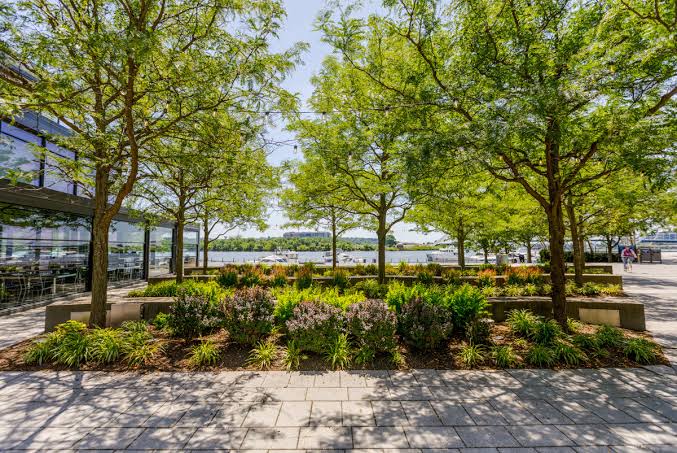
Trees can transform a commercial property by creating a welcoming environment for visitors, customers, and employees. Whether surrounding an office complex, retail centre, hotel, school, or industrial facility, well-managed trees contribute to a professional appearance while supporting the overall functionality of outdoor spaces. However, managing trees on business premises involves more than occasional pruning. It requires thoughtful planning to ensure trees complement the property’s layout, operations, and future development.
Selecting the Right Trees for Commercial Spaces
Every commercial site has unique requirements, and not every tree species is suitable for every location. Factors such as mature size, root growth, canopy spread, and seasonal behaviour should all be considered before planting.
For example, trees positioned near entrances should provide shade without blocking signage, while those planted close to car parks should be selected to minimise debris and excessive leaf fall. Choosing appropriate species from the outset helps create an attractive landscape that supports the daily operation of the business.
Creating Functional Outdoor Spaces
Trees are often incorporated into commercial landscapes to make outdoor areas more comfortable and visually appealing. Their placement can influence how people interact with the property.
Well-positioned trees can help:
- Define pedestrian walkways.
- Create shaded seating areas.
- Improve the appearance of building entrances.
- Separate parking areas from public spaces.
- Enhance employee break zones.
Thoughtful landscaping allows businesses to create outdoor environments that are practical as well as attractive.
Balancing Appearance with Business Operations
Commercial properties are constantly changing. New signage, building extensions, outdoor dining areas, delivery routes, or additional parking may all affect how existing trees fit within the site.
Before making changes to the landscape, it’s useful to consider how trees interact with these developments. Planning around existing greenery often produces a better outcome than treating trees as obstacles during renovation projects.
A balanced approach allows businesses to retain mature landscaping while adapting the property to changing operational needs.
Seasonal Changes That Affect Commercial Properties
Trees influence a property’s appearance throughout the year, and each season brings different considerations.
Spring and summer may provide welcome shade for employees and visitors, while autumn introduces falling leaves that can affect outdoor presentation. Winter can expose architectural features that are hidden during the growing season, making tree shape and placement even more noticeable.
Understanding these seasonal changes helps businesses maintain a professional appearance throughout the year without compromising the landscape’s overall design.
Supporting a Positive First Impression
The landscape surrounding a commercial property is often the first thing visitors notice. Healthy, well-presented trees help frame entrances, soften hard surfaces, and create a more inviting atmosphere before anyone steps inside.
For customer-facing businesses in particular, attractive outdoor spaces can reinforce professionalism and attention to detail. Even simple landscape improvements can influence how a property is perceived by clients, tenants, or prospective customers.
Businesses interested in learning more about professional tree care solutions can check them out online to explore services and advice for commercial landscapes.
Planning Tree Care as Part of Property Management
Trees should be viewed as an integral part of the property rather than separate landscape features. As business premises evolve, landscaping should evolve alongside them to support accessibility, appearance, and functionality.
Working with experienced arborists such as O’Kennedy Tree Care helps businesses make informed decisions about tree placement, site improvements, and landscape planning. By considering how trees contribute to the overall environment, commercial properties can create outdoor spaces that remain practical, welcoming, and visually balanced for employees and visitors alike.
