
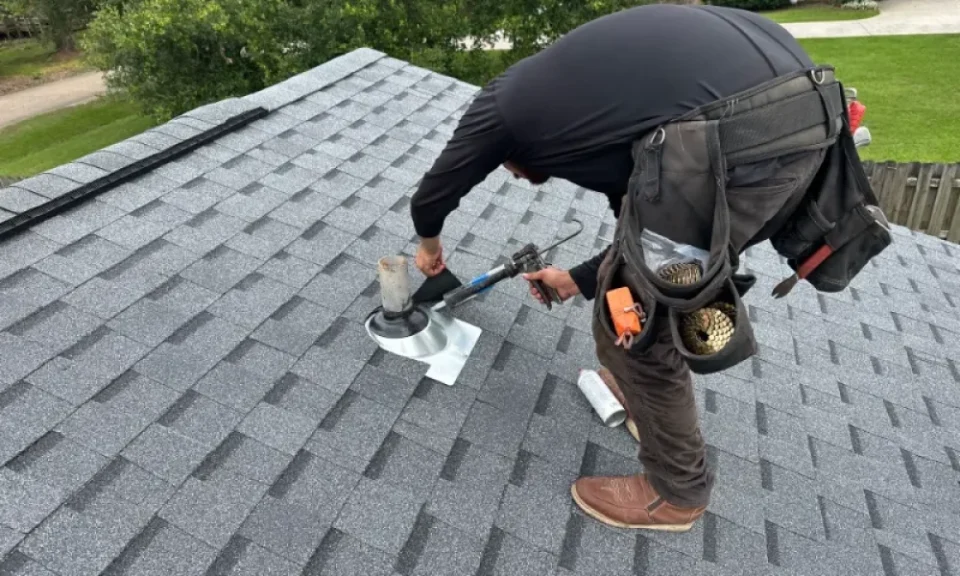
Asphalt shingles are designed to withstand a wide range of weather conditions, but constant exposure to sun, wind, rain, and temperature swings takes a gradual toll. Understanding how different weather patterns affect your roof can help you anticipate problems before they become serious.
Sun Exposure and UV Damage
Ultraviolet rays break down the oils in asphalt shingles over time, causing them to become brittle and lose flexibility. This process, known as UV degradation, is one of the leading causes of shingle cracking and granule loss. Roofs that face south or receive extended direct sunlight throughout the day tend to age faster than shaded sections.
Heavy Rain and Water Pooling
While asphalt shingles are built to shed water effectively, prolonged heavy rain can expose weaknesses in the roofing system. Areas where shingles have lifted or where flashing has deteriorated become entry points for water. Poor drainage, clogged gutters, or improperly sloped sections can also lead to pooling, which accelerates deterioration in those specific spots.
Wind Damage
Strong winds can lift shingle edges, loosen adhesive seals, and in severe cases tear shingles off entirely. Even when shingles are not completely removed, repeated wind stress weakens the seal between layers, making the roof more vulnerable to future storms. After any significant windstorm, it is a good idea to visually inspect the roof for lifted or missing shingles.
Hail Impact
Hailstones can bruise or crack asphalt shingles, sometimes without leaving obvious visible damage from the ground. These bruises compromise the shingle’s protective granule layer and can lead to leaks that develop weeks or months after the storm. Because hail damage is often subtle, professional inspection after a hailstorm is recommended even if no leaks are immediately apparent.
Freeze and Thaw Cycles
In colder climates, the freeze and thaw cycle presents a unique challenge. Water that seeps into small cracks or under shingle edges can freeze, expand, and widen those gaps. As temperatures rise and the ice melts, the cycle repeats with each freeze, gradually worsening existing damage. Ice dams, which form when melting snow refreezes at the roof edge, can also force water backward under shingles.
Extreme Heat
High temperatures cause shingles to expand, while cold weather causes them to contract. This constant expansion and contraction, especially in regions with wide seasonal temperature swings, stresses the adhesive seals and can lead to premature cracking over the life of the roof.
Humidity and Moss Growth
Humid climates create favorable conditions for moss, algae, and lichen growth on shingle surfaces. These organisms retain moisture against the roof, which can lift shingles and accelerate decay, particularly in shaded or north facing areas that receive less direct sunlight to dry out moisture.
Regional Considerations
Homeowners in coastal areas deal with salt air corrosion on metal flashing and fasteners, while those in mountainous or northern regions contend with heavy snow loads and ice damming. Understanding your specific regional weather patterns helps in choosing the right shingle type and maintenance schedule for your home.
Protecting Your Roof Through the Seasons
Regular inspections after major weather events, combined with routine gutter cleaning and prompt repair of minor damage, go a long way toward extending the life of an asphalt roof. When storm damage does occur, reaching out to specialists in asphalt roof repair ensures that both visible and hidden damage get addressed properly.
Being aware of how weather impacts your roof allows you to plan maintenance around seasonal risks rather than reacting only after a leak appears indoors.
Microclimates on a Single Roof
Interestingly, a single roof can experience several different microclimates depending on orientation and shading. The south facing slope may bear the brunt of UV exposure, while a north facing slope stays cooler and damper, encouraging moss growth. Recognizing that different sections of your roof age at different rates helps target inspections and maintenance more effectively rather than assuming uniform wear across the entire surface.
Tracking Weather Events Over Time
Keeping a simple log of significant weather events, such as major hailstorms or windstorms, alongside notes on any resulting roof inspections, can be helpful over the years. This record makes it easier to identify patterns, such as recurring leak locations after certain types of storms, and provides useful context for contractors when diagnosing new issues.
