
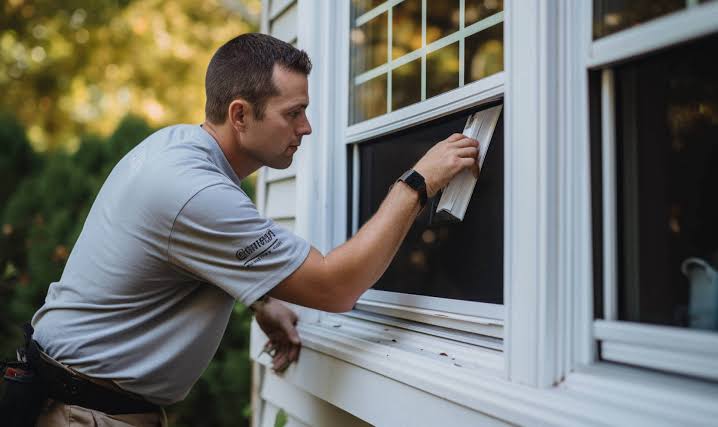
Windows play an important role in every home by providing natural light, ventilation, insulation, and security. Over time, however, they can develop problems such as cracked glass, foggy panes, drafts, or damaged frames. When issues appear, many homeowners wonder whether replacing only the glass is enough or if the entire window should be replaced. Knowing the difference between these two options can help you make a choice that is both useful and saves you money.
When Glass Replacement Is the Right Choice
Glass replacement focuses only on the damaged or outdated glass while keeping the existing window frame and other structural components in place. This option is often recommended when the frame is still in good condition, and the problem is limited to the glass itself.
Cracked glass, broken seals that create condensation between panes, and minor impact damage are common situations where replacing the glass can restore the window’s appearance and performance. Installing a window is usually faster and less disruptive than replacing the whole thing because the frame stays the same.
Many homeowners also choose Glass window replacement in Barrington, IL, when they want to improve energy efficiency by upgrading to modern insulated glass without removing otherwise functional window frames.
Situations That Call for Full Window Replacement
A full window replacement involves removing the complete window unit, including the frame, sash, and glass, before installing a brand new window system. This approach is often necessary when the frame has suffered significant damage or has reached the end of its service life.
Wood rot, severe warping, water intrusion, structural deterioration, and repeated operating problems are common reasons for replacing the entire window. If the frame no longer seals properly or cannot support new glass safely, replacing only the glass will not solve the underlying issue.
Although a full replacement requires a larger investment, it provides an opportunity to upgrade to modern window designs that offer improved insulation, easier operation, and enhanced durability.
Comparing Cost and Value
One of the biggest differences between these options is the overall cost. Glass replacement generally costs less because fewer materials are needed and labor requirements are lower. It can be an excellent investment when the window frame remains structurally sound.
Full window replacement typically costs more because every component must be removed and replaced. However, it may provide greater long-term value when the existing window has multiple problems that repairs cannot permanently address.
Instead of focusing only on the initial expense, homeowners should consider how long each solution is expected to last and whether it addresses the actual cause of the problem.
Energy Efficiency Considerations
Both options can improve energy efficiency, but the results depend on the condition of the existing window.
Replacing outdated glass with modern insulated or low-emissivity glass can significantly reduce heat transfer while preserving the original frame. This upgrade often improves indoor comfort and helps reduce heating and cooling costs.
If the frame itself allows air leaks, has deteriorated seals, or no longer fits properly, installing new glass alone may provide only limited improvement. In these cases, a complete replacement delivers greater energy savings because every part of the window system is designed to work together.
Making the Best Decision
Every home is different, and the right solution depends on the condition of the existing windows. A professional check can tell you if the issue is just with the glass or if it affects the frame and other parts around it.
Choosing the appropriate repair or replacement option protects your investment while improving comfort, appearance, and efficiency. Addressing window issues early also helps prevent minor problems from becoming expensive structural repairs in the future.
Conclusion
Understanding the difference between glass replacement and full window replacement allows homeowners to choose the most effective solution for their specific needs. While replacing the glass can restore performance when the frame remains in excellent condition, complete window replacement is often the better choice for aging or structurally damaged units. Evaluating the overall condition of the window rather than focusing on the visible damage alone leads to a smarter and more lasting investment.
