
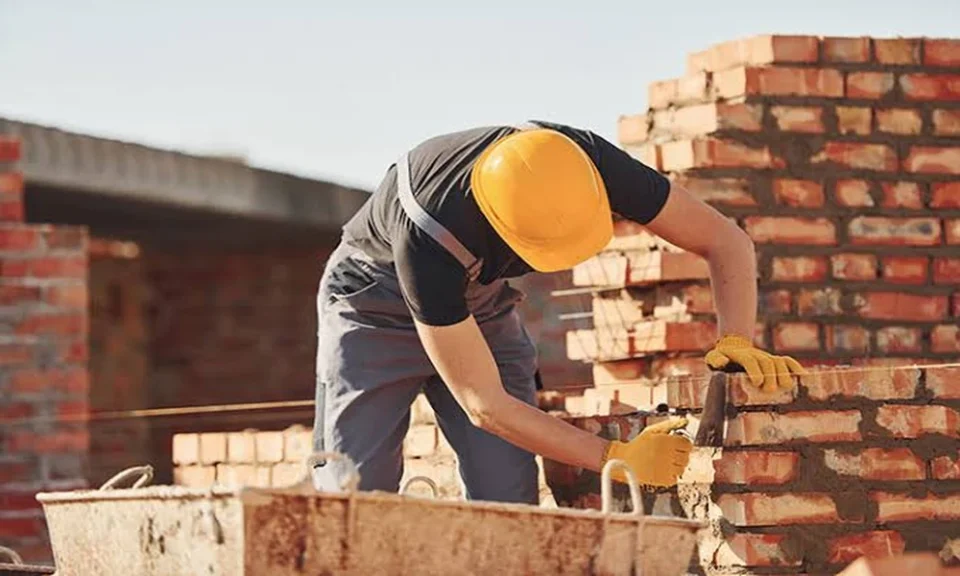
Masonry is one of the oldest and most enduring crafts in construction. From the stone walls of ancient structures to the brick facades of modern homes, the principles of masonry have remained remarkably consistent across centuries: durable materials, precise technique, and patient craftsmanship combine to create structures that can last generations.
For homeowners, understanding the basics of masonry – what it involves, what it can achieve, and how to find a qualified contractor – is increasingly important as interest in quality exterior work, chimney repairs, and long-lasting hardscaping continues to grow.
What Is Masonry?
Masonry refers to construction using individual units – typically brick, stone, or concrete block – bound together with mortar. The term covers a wide range of applications, from the structural walls of a building to decorative garden features, pathways, fireplaces, and retaining walls.
Modern masonry encompasses both structural and ornamental work. A skilled mason can restore a historic brick facade with matched materials and period-appropriate techniques, or construct a contemporary stone feature wall that becomes the centerpiece of an outdoor living space.
The Art and Science of Bricklaying
Quality bricklaying is the most recognizable masonry skill, and one that demands precision at every stage. Each brick must be set at the correct level, plumb, and in alignment with the course above and below. Mortar consistency, joint thickness, and bonding pattern all influence the finished appearance and structural integrity of the wall.
Beyond the basic running bond – the classic staggered-brick pattern most people recognize – experienced bricklayers work with herringbone, Flemish bond, English bond, and stack bond patterns, each suited to different aesthetic goals and structural requirements.
Properly laid brickwork, with correctly mixed mortar and adequate wall ties, will remain stable and watertight for decades. Poorly executed work – with inconsistent mortar joints, inadequate drainage, or inappropriate material choices – can show problems within just a few seasons.
Chimney Repair and Maintenance: Why It Matters
Of all masonry structures in a home, the chimney is among the most exposed to the elements and the most consequential when it fails. A chimney extends above the roofline, exposed to freeze-thaw cycles, wind-driven rain, and temperature extremes throughout the year.
The mortar joints between chimney bricks are the first to deteriorate. As they crack and erode, water penetrates the structure, accelerates further damage, and can eventually compromise the chimney’s structural stability. Left unaddressed, water infiltration through a chimney can damage interior walls, ceilings, and even the firebox itself.
Tuckpointing – the process of removing deteriorated mortar and replacing it with fresh material – is one of the most common and effective chimney repairs. A qualified masonry contractor will assess the depth of mortar loss, match the mortar type and colour to the existing work, and ensure a weathertight finish that restores the chimney’s integrity.
Crown repair, flashing replacement, and cap installation are also common chimney services that protect the structure from water ingress at its most vulnerable points. A thorough chimney inspection, ideally conducted annually, allows small problems to be addressed before they become expensive structural failures.
Finding the Right Masonry Contractor
Selecting a masonry contractor is a decision that deserves careful consideration. Masonry work – whether a new installation or a repair – is a long-term investment. The quality of the work will be visible for years, and substandard repairs can cause problems that are more expensive to address later than the original damage would have been.
A reputable masonry contractor will carry appropriate liability insurance and workers’ compensation coverage, provide a detailed written estimate, and be willing to share references from previous clients. Reviewing examples of completed work – either in person or through a portfolio – gives a clear picture of the craftsmanship and attention to detail you can expect.
Be cautious of contractors who offer significantly lower prices than competitors without a clear explanation, pressure you to commit quickly, or are unwilling to put the scope of work in writing. Quality masonry takes time, skill, and proper materials – and those factors are reflected in honest pricing.
Common Masonry Projects for Homeowners
Beyond chimneys and brick walls, masonry contractors handle a wide range of residential projects. Retaining walls that manage slope and drainage, garden borders, outdoor fireplaces and fire pits, stone steps and walkways, and decorative pillars are all common requests that a skilled mason can execute with precision and durability.
Restoration work is another important area. Older homes with original brick or stone facades often need repointing, cleaning, or selective brick replacement to preserve both their appearance and structural soundness. Working with historic masonry requires knowledge of period materials and techniques – not every contractor has this expertise.
Investing in Quality Masonry
The value of quality masonry work extends well beyond its immediate visual impact. Properly executed brickwork, stonework, and chimney construction protect the building envelope, add structural stability, and contribute meaningfully to a property’s long-term value.
Whether you are planning a new masonry feature, addressing a repair that has been on your list for some time, or restoring a historic element of your home, working with a skilled and experienced masonry contractor is the most reliable path to results that will serve you well for years to come.
