
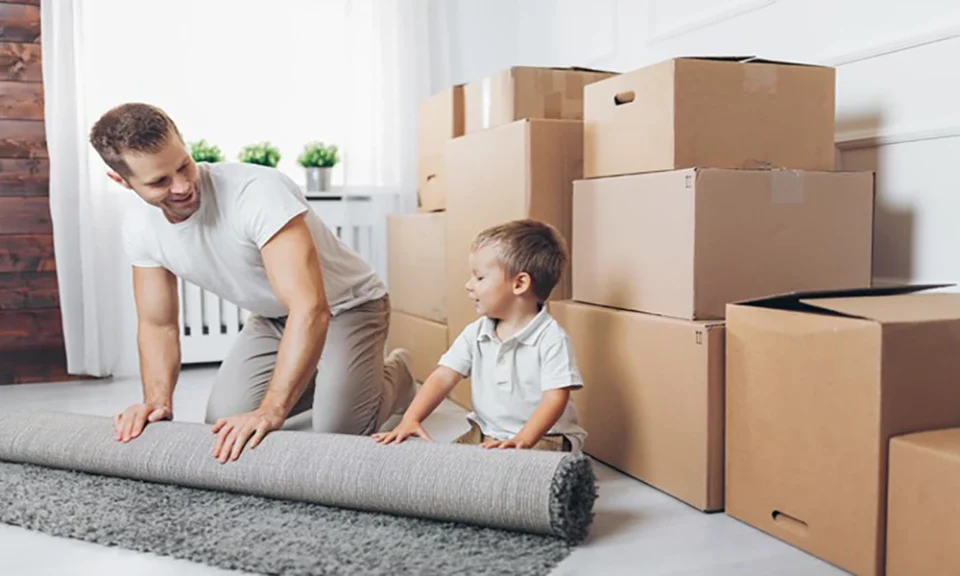
Moving day can become hectic when boxes, furniture, and household items are not prepared in advance. Getting your home organized before the movers arrive can make loading faster and reduce unnecessary confusion. A little preparation also helps protect your belongings and gives the moving team enough space to work safely.
If you are preparing for a local relocation, working with experienced movers St. Thomas, Ontario can make moving day more organized and manageable. Before the team arrives, having boxes packed, pathways cleared, and important belongings separated allows movers to work efficiently without unnecessary delays. Preparing your home in advance also helps the moving crew identify fragile items and areas that may require extra care during loading.
Sort Your Belongings
Start by going through every room and deciding what you actually want to take with you. Separate unwanted, damaged, or unused items before packing begins. Donating, recycling, or disposing of unnecessary belongings can reduce the number of boxes that need to be transported.
Organizing items early also prevents you from spending time packing possessions that you no longer need.
Pack and Label Boxes
Unless your moving company has arranged to handle the packing, prepare your boxes before moving day. Use suitable containers for different types of belongings and avoid making boxes excessively heavy.
Label each box with its destination room and a brief description of its contents. Mark boxes containing fragile items clearly so they can receive appropriate handling during loading and unloading.
Keep Important Items Separate
Certain belongings should remain with you instead of being loaded onto the moving vehicle. Prepare a separate bag containing important documents, medications, chargers, valuables, basic toiletries, and essential clothing.
Keeping these items accessible means you will not have to search through packed boxes immediately after reaching your new home.
Prepare Furniture and Appliances
Remove all loose belongings from storage spaces, including cupboards, drawers, and shelving units, before the moving team begins work. Remove loose parts from furniture where appropriate and keep small hardware in clearly labelled bags.
Appliances may require additional preparation before transportation. Check the manufacturer’s instructions for items such as refrigerators, washing machines, and other large appliances to determine whether they need to be disconnected or prepared in advance.
Clear Pathways
Movers need clear routes between rooms, entrances, stairways, and the vehicle. Remove shoes, toys, decorative objects, loose rugs, and other obstacles from these areas.
If possible, keep children and pets away from active moving areas. This can reduce distractions and help create a safer working environment.
Protect Your Property
Moving large furniture through doorways and hallways can potentially cause scratches or other damage. Protect vulnerable surfaces where appropriate and identify narrow passages or difficult corners before the movers begin.
You can also point out delicate flooring, walls, glass panels, or other areas that require additional care.
Check the Moving Plan
Before moving day, confirm the arrival time, services included, destination address, and payment arrangements with the moving company. Make sure you understand whether packing, disassembly, furniture placement, or other tasks are included in your agreement.
Having these details confirmed beforehand can prevent misunderstandings when the moving team arrives.
