
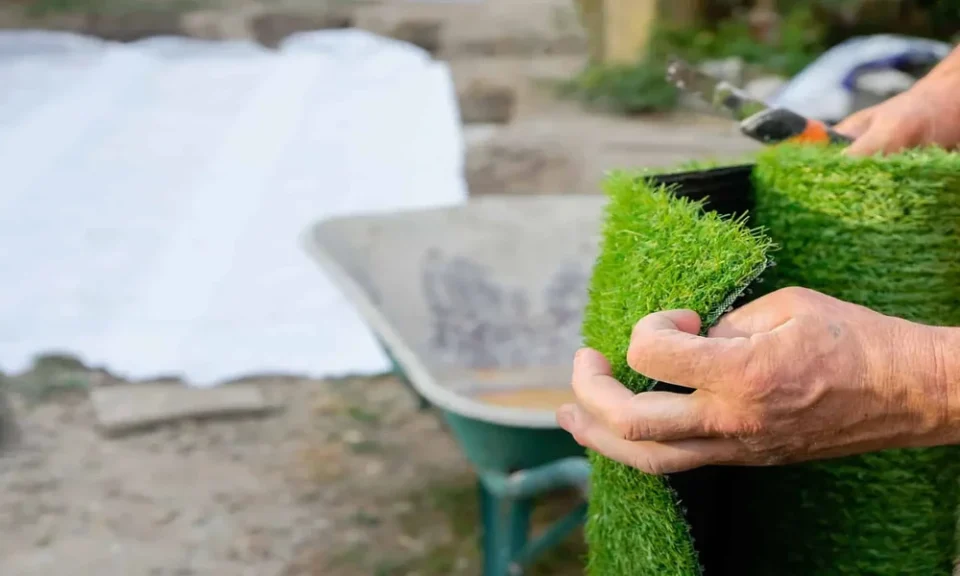
Artificial turf installation has become significantly more sophisticated over the past decade. The products available today, and the techniques used to install them properly, bear little resemblance to the basic synthetic surfaces that gave artificial grass a mixed reputation in earlier years. For Surrey BC homeowners considering the switch, understanding what modern installation involves helps set accurate expectations and ensures you ask the right questions when evaluating installers.
The Installation Process: What Professional Work Looks Like
Professional artificial turf installation is a multi-stage process that begins well before any turf is laid. The preparation phase – which determines the long-term performance of the installation – typically takes as long or longer than the turf installation itself.
Existing lawn and vegetation must be removed completely. Any roots or organic material left in the ground will decompose over time, creating voids and uneven spots in the finished surface. Excavation to the correct depth – typically between 75 and 100mm – creates the space for the base layer that gives the installation its stability and drainage capacity.
A compacted aggregate base, usually crushed granite or similar material, is then laid and carefully levelled. This is the foundation of the entire installation and must be perfectly flat – any imperfections here will telegraph through to the finished surface. Weed membrane is laid over the compacted base before the turf is positioned, cut to fit, and secured.
Drainage: A Critical Consideration in Surrey BC
Surrey BC’s annual rainfall makes drainage specification particularly important for synthetic turf installations. Surrey BC synthetic turf installations must be designed with the region’s rainfall patterns in mind – a drainage rate that handles typical seasonal rain without any pooling or surface water issues.
Modern artificial turf products are manufactured with perforated backings that allow water to pass through efficiently, but the sub-base beneath must also have adequate drainage capacity to handle the volumes involved. In areas with particularly heavy rainfall or poor natural soil drainage, additional drainage channels or a modified sub-base specification may be appropriate.
A well-drained installation dries quickly after rain – typically within an hour of a shower stopping – making the surface accessible year-round rather than requiring the waiting period that a natural lawn needs to recover from heavy rain.
Backyard Turf: Getting the Design Right
A backyard turf project gives you an opportunity to reconsider how your outdoor space is laid out, not just what material covers it. Many homeowners find that an artificial lawn project prompts a broader look at the garden – integrating new planting beds, seating areas, or hard landscaping elements that improve the overall functionality and appearance of the space.
Pile direction – the direction that grass blades face after installation – affects the visual impression of the finished lawn. Most experienced installers recommend orienting the pile so that blades face toward the main viewing point, making the surface look its most natural and lush. This is worth discussing explicitly during the planning phase of your project.
Maintenance: What Artificial Turf Actually Requires
One of the main appeals of artificial grass is its minimal maintenance requirements compared to natural lawn. However, ‘low maintenance’ does not mean ‘no maintenance,’ and understanding what regular care involves helps you get the best long-term performance from your installation.
Regular brushing – typically once a month, or more frequently in areas with heavy leaf fall – keeps the pile upright and removes any debris that accumulates on the surface. Leaves and organic matter left on the surface for extended periods can create conditions for moss or algae growth and should be removed promptly with a leaf blower or stiff-bristled brush.
Occasional rinsing with water freshens the surface and helps remove fine dust and particles. For installations with sand or rubber infill, periodic redistribution of the infill material maintains even coverage and pile support.
How Long Does Artificial Turf Last?
A quality artificial grass installation will perform attractively for fifteen years or more with appropriate care. The warranty provided by the manufacturer covers the turf product itself, while a reputable installer will also warranty their workmanship for a defined period.
Factors that affect longevity include the quality of the original product, the standard of the installation, the level of traffic the surface receives, and the consistency of routine maintenance. UV stabilisation in quality products prevents significant colour fade even in areas with good summer sun exposure, ensuring the lawn maintains its appearance through the seasons.
Making the Decision
For Surrey BC homeowners weighing up the decision to install synthetic turf, the combination of year-round usability, minimal maintenance commitment, and long product life makes a compelling case. Getting the installation right – with quality materials, a properly prepared base, and experienced workmanship – is the essential foundation for a result that delivers real value over the long term.
