
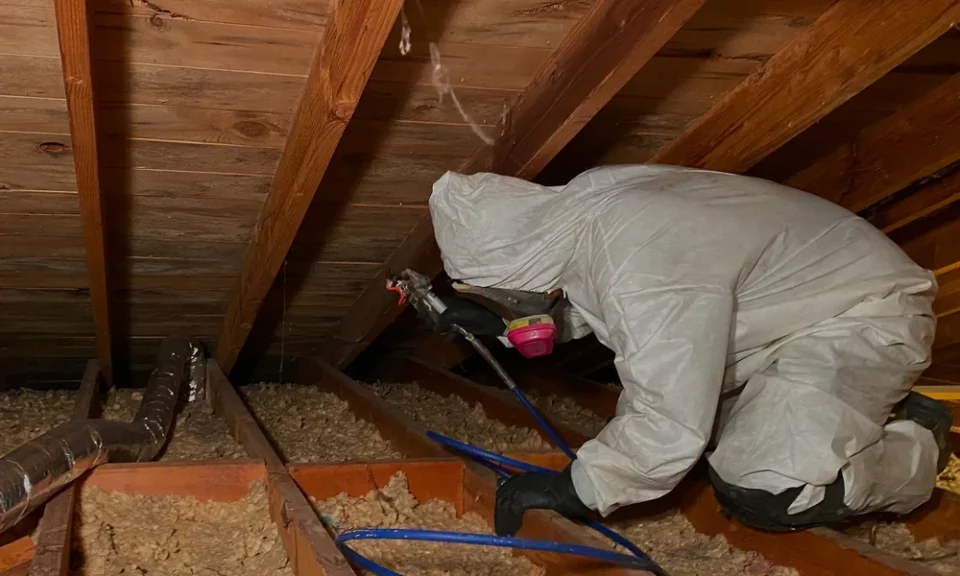
Some homeowners think their attic is “out of sight, out of mind,” but what happens up there can have real consequences for your family’s health and the safety of your entire home. Mold, pathogens, and animal intrusions often begin quietly, then turn into hazards that cost far more than most people realize. Let’s break down the most persistent myths about attic restoration and reveal how proper insulation services stop problems before they start.
Myth 1: Attic Insulation Doesn’t Affect Mold Growth
Moisture sneaks into homes through tiny leaks, condensation, or even just humidity in the air. When attic insulation is old, damaged, or saturated, it’s no longer a barrier but a sponge, holding onto water and creating the perfect environment for mold to thrive. It isn’t just about looks; mold spores drift down into living spaces, triggering allergies and worsening respiratory problems.
When insulation is contaminated, whether from water or animal intruders, it can harbor entire colonies of mold and bacteria. These pathogens are not static. They spread, invisibly at first, but soon invade the very air your family breathes.
Myth 2: Animal Infestations in Attics Are Harmless Once Removed
The scurrying may have stopped, but the real danger often remains. Animals leave behind feces, urine, and nesting materials, each loaded with microorganisms. Even after the animal is gone, their biological debris lingers, soaking into insulation and wood.
Pathogens like salmonella, hantavirus, and even roundworm eggs can persist in attic environments. If insulation is not thoroughly removed and replaced, these risks linger just overhead, waiting for the next warm day or air movement to waft them through your vents.
Myth 3: Simply Cleaning the Attic Is Enough to Stop Mold and Pathogen Spread
A quick sweep and a vacuum do not solve the issue of contamination. Surface cleaning removes visible messes, but microscopic threats embed themselves deep within insulation fibers. Decontamination requires specialized solutions that neutralize harmful microorganisms.
But the job doesn’t stop there. If insulation has been saturated or soiled, it must be replaced. Simply leaving compromised material in place invites recurring mold blooms and persistent odors, defeating the point of your effort in the first place.
Myth 4: Attic Restoration Is Just Cosmetic Repair
Restoring an attic is not about making it look pretty. The real payoff comes in improving your indoor air quality. New, clean insulation prevents the circulation of mold spores and bacteria into your living areas. Homes with properly restored attics report fewer allergy flare-ups, less dust, and a fresher indoor environment.
Moreover, a professional restoration means energy savings over the long term. Efficient insulation reduces heating and cooling costs, while protecting your home’s structure from the slow decay that mold and moisture can cause.
Myth 5: DIY Attic Restoration Is Safe and Effective
There’s a world of difference between grabbing a shop vac and hiring experts trained in hazardous material handling. Disturbing soiled insulation can release clouds of spores and bacteria into the home. Improper disposal risks spreading pathogens even further.
Professional teams follow a precise protocol: first, vacuuming up small debris and droppings, then hand-picking larger items like nests. Afterward, strong decontamination treatments are applied before any new insulation is installed. This sequence ensures that nothing harmful is left behind.
Myth 6: Mold and Pathogen Contamination Only Occurs After Disasters
You don’t need a flood or major storm for trouble to start. Minor water leaks, a single animal incursion, or even a season of high humidity can set the stage for contamination. Many homeowners miss the early signs: a musty odor, unusual allergy symptoms, or faint staining on the ceiling.
By the time these warning signals appear, problems are usually already entrenched. Vigilance, combined with regular attic inspections, is your best defense. Early intervention keeps small issues from becoming expensive repairs.
The True Value of Attic Restoration Services
A trusted attic restoration team follows a clear, step-by-step process:
– Inspection: Pinpointing all damage and contamination.
– Removal: Extracting debris, old nests, and soiled insulation.
– Decontamination: Applying proven treatments to eliminate pathogens and mold.
– Replacement: Installing high-quality insulation that restores your attic’s protective barrier.
When you choose Insulation Services attic restoration, you’re not just restoring a forgotten space; you’re investing in the health and integrity of your entire home. Protecting your family from mold and pathogens starts above your head, before you even see a problem inside your living space. Letting experts handle the process gives you peace of mind that the air you breathe is as safe as possible.
