
Key Takeaways
- Look for food, moisture, shelter, and entry points before choosing a treatment.
- Small repairs around doors, vents, pipes, and foundations can prevent larger problems.
- Regular monitoring helps identify patterns and supports more targeted decisions.
- Use the least disruptive control method that fits the pest and situation.
- Read and follow every pesticide label, especially around children, pets, and food.
- Call a licensed professional when pests are hidden, recurring, dangerous, or likely to cause structural damage.
Effective home pest prevention is less about reacting to one bug or rodent sighting and more about making your property less welcoming over time. A practical pest control plan starts with understanding what pests need to survive: food, water, shelter, warmth, and a way indoors.
Integrated pest management, often called IPM, combines inspection, cleaning, repairs, monitoring, and carefully selected treatments when they are truly needed. The goal is not to eliminate every outdoor insect; many are harmless or beneficial, but to reduce pests that enter living spaces, contaminate food, create health concerns, or damage the home.
Why Home Pest Prevention Needs A Complete Plan
Visible pests are often only part of the issue. Ants may be following a moisture source, cockroaches may be using cluttered hiding places, and rodents may be entering through an easy-to-overlook gap. Addressing only the pest you see can leave the original conditions unchanged. A complete plan removes attractants, blocks access, and checks whether the problem improves.
Step One: Inspect The Outside Of The Home
Start with a slow walk around the exterior. Check the foundation for cracks, windows and doors for gaps, screens for tears, and vents for damage. Look closely at where pipes, cables, and utility lines enter the structure. Also inspect gutters, downspouts, low spots that hold water, and piles of cardboard, firewood, lumber, or yard debris near the walls.
Pay attention to landscaping. Branches, dense vines, and shrubs touching siding or rooflines can create sheltered travel routes for insects and rodents. For example, a narrow gap below a garage door may seem minor, but it can provide a direct path for mice, insects, and other small pests seeking shelter.
Step Two: Remove Food And Water Sources
Daily cleaning habits matter because pests can survive on surprisingly small amounts of food and moisture. Store dry goods in sealed containers, wipe up crumbs and spills promptly, keep pet food in closed containers, and empty indoor trash regularly. Rinse recycling when practical and keep bins covered.
Water control is equally important. Repair leaking faucets and pipes, dry the areas beneath sinks, and check behind refrigerators, washing machines, and dishwashers. Kitchens, basements, laundry rooms, garages, and utility spaces often provide the small food and moisture sources that support repeated pest activity.
Step Three: Seal Common Entry Points
Exclusion, meaning physically keeping pests out, is one of the most reliable long-term prevention methods. Focus on openings that connect the outdoors to living areas, attics, basements, crawl spaces, and garages.
Simple Repairs Homeowners Can Make
- Replace worn door sweeps and damaged weatherstripping.
- Repair torn window and door screens.
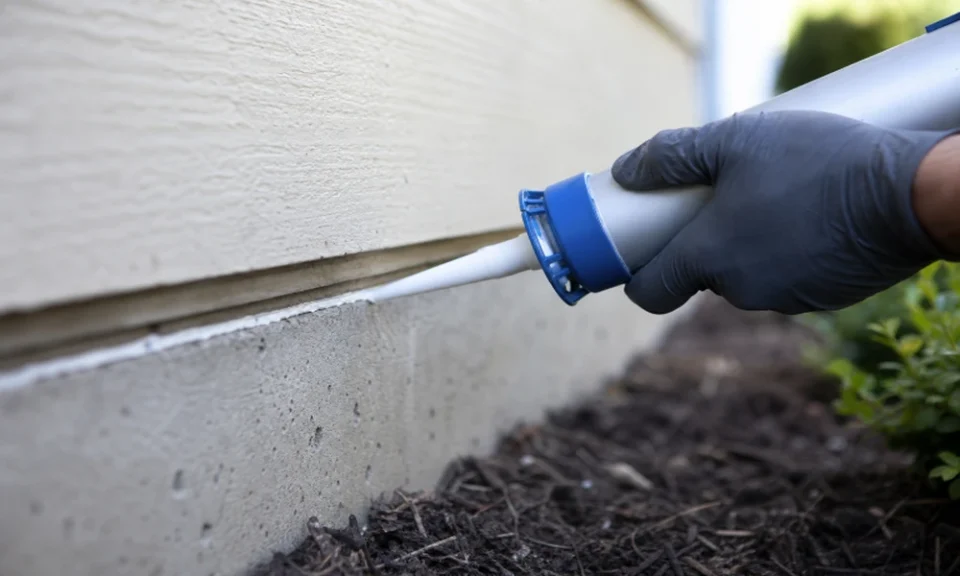
- Caulk small cracks around trim, siding, and foundations.
- Use durable mesh for larger openings around vents where appropriate.
- Close gaps around plumbing, wiring, and utility penetrations.
- Inspect attic vents, crawl-space vents, basement windows, and garage thresholds.
Do not block required ventilation, drainage paths, or access to electrical, plumbing, or heating equipment. When an opening has a structural purpose, choose a repair method that preserves that function while reducing pest access.
Step Four: Manage Moisture And Yard Conditions
Outdoor conditions can increase pest pressure around the home. Direct downspouts away from the foundation, clear leaves from drainage areas, and remove pooled water from buckets, planters, toys, and tarps. Trim plants away from walls and windows, and keep mulch several inches from siding when practical.
Store firewood and lumber off the ground and away from exterior walls. Check crawl spaces for dampness, water intrusion, or poor airflow. Moisture can support ants, mosquitoes, termites, cockroaches, and other pests, although water is not the cause of every infestation.
Step Five: Monitor Before Choosing A Treatment
A single sighting does not always require a major response. Instead, watch for repeated activity and record what you find. Useful warning signs include droppings, shed insect skins, gnaw marks, damaged packaging, grease marks along walls, small holes in screens, unusual sounds in ceilings, and repeated sightings in the same room.
Keep a simple note with the date, location, suspected pest, weather conditions, and possible trigger. This record can reveal whether activity is seasonal, linked to a plumbing leak, or connected to a particular entry point.
Use The Least Disruptive Control Method First
- Identify the pest as accurately as possible.
- Remove food, water, and hiding places.
- Seal the routes pests use to enter.
- Use traps, barriers, screens, or sanitation measures where suitable.
- Consider a targeted product only if earlier steps are not enough.
- Recheck the area and adjust the plan based on results.
How To Use Pest Products More Safely
Read the entire label before using any pesticide, and use only the amount and location it permits. Keep products away from children, pets, food, dishes, and water sources. Never mix products unless the label specifically allows it, never use outdoor products indoors, and keep products in their original containers. “Natural” does not automatically mean harmless. Safety depends on the active ingredient, amount used, exposure, and correct application.
Seasonal Pest Prevention Checklist
Winter
Inspect attics, garages, basements, and crawl spaces. Sealing gaps before cold weather encourages rodents and overwintering insects to move indoors.
Spring
Repair screens and door seals, clean gutters, and check for moisture damage, ants, termite activity, and emerging stinging insects.
Summer
Remove standing water, keep trash containers closed, and monitor for mosquitoes, ticks, pantry pests, and wasps near high-traffic areas.
Fall
Trim vegetation, move firewood away from walls, inspect rooflines and vents, and prepare for rodents seeking sheltered indoor spaces.
When To Call A Licensed Pest Professional
Seek professional help when pests continue after reasonable prevention steps, when termites or other wood-damaging pests are suspected, or when rodents may be active in walls, ceilings, or HVAC spaces. Professional assessment is also wise for nests near doors or play areas, possible exposure to bites or stings, unclear pest identification, and treatments that require specialized equipment.
Before hiring help, ask whether the provider is licensed, what pest was identified, which methods are recommended, how children and pets should be protected, and what follow-up steps are included. A clear explanation of the plan is a good sign that the service is focused on solving the underlying problem.
Conclusion
A cleaner, drier, better-sealed home can prevent many pest problems before they grow. Inspect routinely, remove attractants, control moisture, close openings, monitor patterns, and use targeted treatments only when needed. Consistent attention throughout 2026 can help protect your home while supporting safer choices for people, pets, and the surrounding environment.
