
Key Takeaways
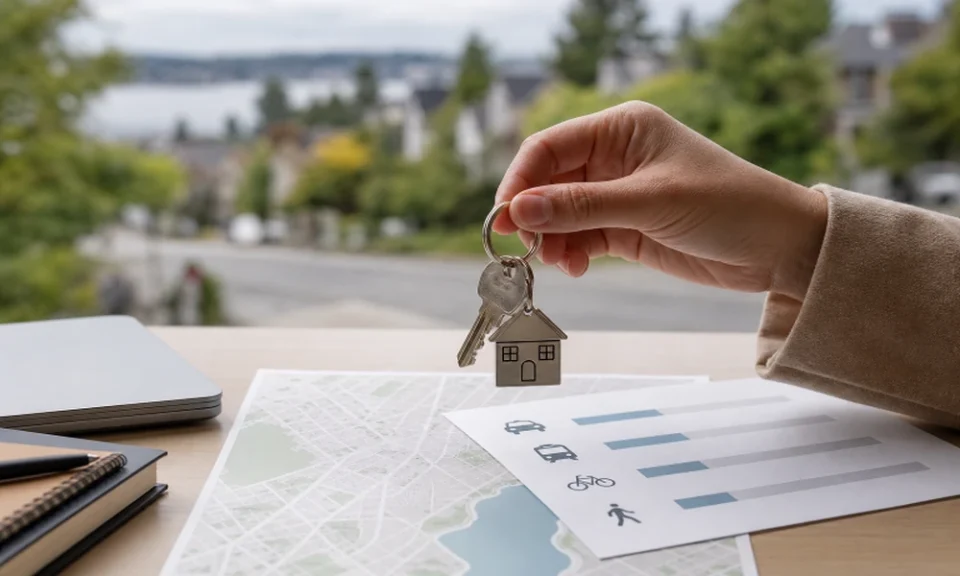
- The best neighborhood fit comes from daily routines, not listing photos or price alone.
- Commute options, parking, errands, outdoor access, and home upkeep all affect long-term satisfaction.
- North Seattle offers detached houses, townhomes, condominiums, older character homes, and newer infill development.
- Transit and street projects can improve access over time, but construction and changing travel patterns should be considered realistically.
- A simple scorecard helps compare neighborhoods on the details that matter after move-in day.
A home can check every box on paper and still feel like the wrong choice when the commute is frustrating, grocery trips take too long, or daily parking becomes difficult. In North Seattle, small differences in street layout, transit access, hills, and nearby services can make two similarly priced homes feel very different. For buyers and sellers weighing those everyday tradeoffs, North Seattle, WA, real estate agent Mel Parsons provides neighborhood-focused guidance through Mel Parsons Homes, a Seattle real estate resource for home searches, selling support, valuations, and local market insight. With experience serving clients throughout Puget Sound, including Maple Leaf, Wedgwood, Matthews Beach, and Meadowbrook, Mel Parsons Homes can provide useful local context when housing conditions, commute needs, and lifestyle priorities must work together.
Why Neighborhood Fit Matters More Than a Perfect Listing
It is easy to focus on bedrooms, countertops, square footage, and a remodeled kitchen. Those features matter, but they do not answer how the location will support a normal Tuesday. A larger house with a dedicated office and yard may be ideal for a remote worker who values space. A smaller condo or townhome close to reliable transit may be the better fit for someone who travels to downtown Seattle or elsewhere several days each week.
Start by choosing the routine you want, then look for a property that supports it. That approach makes it easier to distinguish a home that is merely attractive from one that will remain practical over time.
Start With the Weekly Routine
Before comparing neighborhoods, make a short list of the activities that shape your week. Be specific about when and how those trips happen.
- Work commute, including preferred travel mode and typical departure times.
- School, child care, caregiving, or recurring family commitments.
- Grocery stores, medical appointments, fitness, restaurants, and coffee shops.
- Access to parks, trails, Lake Washington, playgrounds, or dog-walking routes.
- Visitor parking, deliveries, and whether more than one household vehicle is necessary.
- Space needs for remote work, hobbies, storage, pets, or future household changes.
Compare North Seattle by Commute and Transit
A five-mile trip in Seattle can vary widely depending on the route, time of day, weather, school traffic, and construction. Do not rely on a midday map estimate. Test each commute during the morning and evening periods when you would actually travel. Try the trip by car, bus, light rail, bike, or a mixed-mode combination. Having more than one practical travel option can reduce stress when traffic, rain, service disruptions, or work schedules change. North Seattle access is also evolving. The future Pinehurst Station at NE 130th Street is scheduled to open in 2026, and buyers considering nearby areas should review the latest details on the Sound Transit Pinehurst Station project page rather than relying on older marketing claims. Neighborhoods around Bitter Lake, Haller Lake, Lake City, Pinehurst, and Roosevelt may also see changes in walking, biking, bus, and vehicle patterns as street work progresses. Seattle has outlined access improvements connected to the station area through its North Seattle Link access projects. Check current detours and construction timing before treating any planned improvement as an immediate convenience.
Match Home Type to the Way You Live
Detached Homes
Detached houses can offer privacy, yard space, storage, and room to adapt. In exchange, owners should plan for exterior upkeep, landscaping, roof maintenance, drainage, and the systems common in older homes.
Townhomes and Condominiums
Townhomes can provide newer layouts and less yard work, often with a more central location than a similarly sized detached house. Condominiums may make sense for buyers seeking lower-maintenance living, but dues, reserves, rental rules, parking assignments, and building maintenance all deserve careful review.
Older Homes and Newer Development
Older North Seattle homes may bring established streets, mature trees, and character, along with possible updates to wiring, plumbing, insulation, windows, or foundations. Newer homes can offer efficient systems and contemporary floor plans, but may have smaller lots, closer neighboring structures, or fewer mature outdoor spaces.
Look Beyond the Front Door
Tour the block as carefully as the house. Visit on a weekday morning, a weekday evening, and a weekend. Notice traffic speed, sidewalk condition, crossings, street lighting, bus-stop activity, parking patterns, and nearby construction. A steep hill or an awkward arterial crossing may not appear important during a quick showing, but it can affect daily walks, bike trips, and errands. Also test practical details. Where is the closest grocery store? How long does it take to reach a park? Is there a comfortable place for guests to park? Are there multiple routes to major roads or transit? Two homes with similar prices can deliver sharply different levels of convenience.
Consider Future Changes Without Betting on Them
Transit projects, safety improvements, zoning changes, and new housing can bring meaningful benefits, but they can also mean noise, detours, and temporary disruption. Treat confirmed public plans as useful information, not as a guarantee about future value or lifestyle. Review official project pages, public meeting materials, permit activity, and current construction notices. Be cautious with broad statements such as “a station is coming soon” or “nothing will ever be built nearby.”
Use a Simple Neighborhood Scorecard
After each visit, rate every neighborhood from one to five in these categories:
- Commute comfort and travel-time reliability.
- Transit access, road connections, and walkability.
- Available home types and floor plans.
- Parks, shops, schools, and everyday services.
- Noise, parking, traffic, and general street feel.
- Fit for plans, including remote work, children, guests, or aging parents.
Write down one clear benefit and one concern for every area. This prevents a great staging presentation from overshadowing a recurring inconvenience.
Questions to Ask During a Neighborhood Tour
- What does this street feel like during rush hour?
- How easy is it to reach work without driving?
- Where do residents handle everyday grocery and pharmacy trips?
- Are sidewalks and crossings comfortable for children, older adults, and people with mobility needs?
- What housing or transportation work is planned nearby?
- How much time will regular errands realistically take from this location?
A Practical Decision Process for 2026
Set a realistic total housing budget, identify your three most important daily needs, and compare three to five neighborhoods instead of searching everywhere at once. Test the commute, revisit promising blocks, verify current public projects, and score the areas based on how life will function there. The best North Seattle neighborhood is not necessarily the one with the most impressive listing photos. It is the one that makes ordinary life easier, more comfortable, and more sustainable after the excitement of moving has passed.
Conclusion
The right North Seattle neighborhood is the one that supports your everyday routine, not just your wish list. A home that fits your commute, budget, lifestyle, and plans will often provide greater long-term satisfaction than one chosen solely for its appearance. By comparing transportation options, housing styles, neighborhood amenities, parking, ongoing maintenance, and planned local improvements, buyers can make a more informed decision before submitting an offer. Taking the time to revisit neighborhoods, test daily routes, and evaluate practical needs helps reduce surprises after closing. A thoughtful comparison today can lead to a home that remains comfortable, convenient, and rewarding for years to come.
