
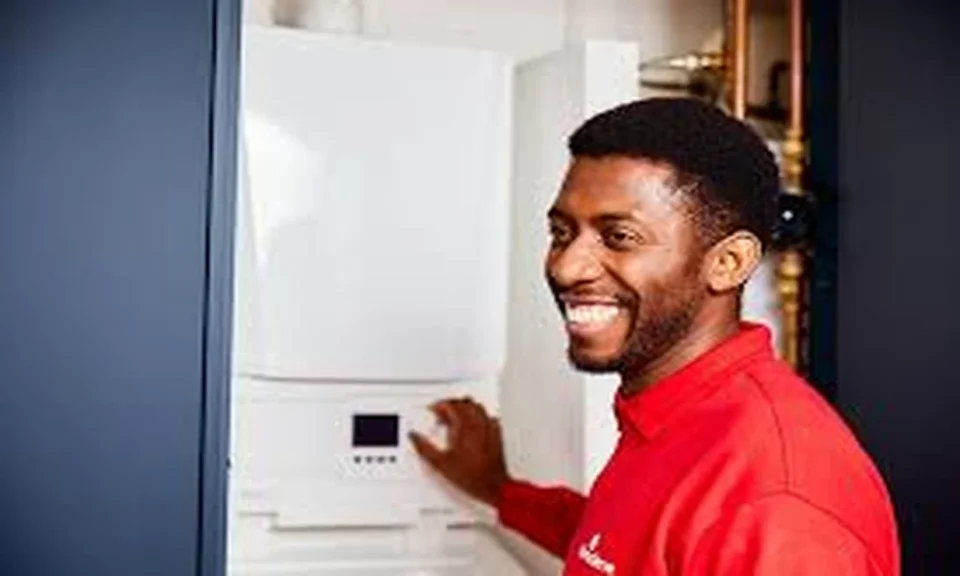
The most common boiler faults UK homeowners face include low pressure, leaking, kettling noises, no heat or hot water, a frozen condensate pipe, radiator faults, thermostat issues, pilot light failure, and boilers refusing to switch on. Many, like low pressure or a frozen pipe, can be checked safely at home. Anything involving gas, ignition, or internal components should always go to a Gas Safe registered engineer.
Most boiler breakdowns don’t come out of nowhere. Sediment builds up gradually, seals wear down over years, and pressure drifts slowly before a fault finally shows itself on a cold morning. Learning to spot the early signs saves both money and a lot of hassle, and if you want a deeper walkthrough of one specific brand’s quirks, you can read more on common boiler problems affecting Glow-worm models specifically, alongside the general issues covered here.
This guide runs through the ten problems homeowners run into most often, what usually causes them, and which ones are safe to check yourself before picking up the phone.
1. Low Boiler Pressure
Pressure below around 1 bar is one of the most frequent reasons a boiler stops working properly. It usually shows up as a low reading on the display or gauge, sometimes paired with an error code.
Topping up through the filling loop until pressure reads between 1.0 and 1.5 bar solves this in most cases. If it drops again within a day or two, there’s likely a leak somewhere worth investigating.
2. Boiler Leaking
A leak can come from a pressure relief valve releasing excess pressure, a worn pump seal, or corroded pipework. None of these should be ignored, since even a small leak tends to get worse over time.
Turn off the boiler if you spot water pooling nearby and book an engineer. Leaks are rarely a DIY fix, since identifying the exact source usually needs the casing opened by someone qualified.
3. Kettling or Unusual Noises
A whistling or rumbling sound, similar to a kettle coming to the boil, is known as kettling. It happens when limescale or sludge restricts water flow, causing localised overheating inside the heat exchanger.
This is one of the clearer boiler warning signs that shouldn’t be left too long, since continued kettling can eventually damage the heat exchanger itself.
4. No Heating or Hot Water
When neither heating nor hot water is working, the cause is often something fundamental, such as low pressure, a broken diaphragm, or a faulty thermostat failing to signal the boiler correctly.
Check pressure and thermostat settings first. If both look normal and nothing changes, a motorised or diverter valve fault is a common next suspect, and that’s an engineer’s job.
5. Frozen Condensate Pipe
Condensing boilers produce a small amount of acidic wastewater that drains outside through a plastic pipe. In freezing weather, this pipe can ice up and block, causing the boiler to lock out.
Thawing the pipe carefully with warm water, not boiling water, and insulating it afterward usually prevents the problem returning each winter.
6. Hot Water Works but Heating Doesn’t (or Vice Versa)
This pattern almost always points to a diverter valve, the component responsible for switching between supplying taps and supplying radiators.
If the valve sticks in one position, only one function works while the other stays cold. It’s a common fault in combi boilers over eight to ten years old and isn’t something to attempt fixing yourself.
7. Radiators Not Heating Properly
Cold spots, uneven heating, or radiators that never quite get warm are usually caused by trapped air or sludge build-up inside the system.
Bleeding radiators fixes trapped air quickly. Cold spots that don’t improve after bleeding usually mean sludge, which needs a professional flush rather than a home fix.
8. Thermostat or Programmer Faults
A boiler that ignores the thermostat, runs constantly, or won’t respond to schedule changes often has a faulty sensor, dead batteries, or an outdated programmer struggling to communicate properly.
Replacing batteries and double-checking the programmed schedule solves this surprisingly often. If the fault continues, the thermostat itself may need replacing.
9. Pilot Light Keeps Going Out
Mostly seen in older, non-condensing boilers, a pilot light that keeps extinguishing is usually caused by a draught, a dirty gas nozzle, or a failing thermocouple.
A thermocouple fault means the boiler can’t detect the pilot light is lit, so it shuts off gas as a safety measure. This is a job for a Gas Safe engineer, not a DIY fix.
10. Boiler Won’t Turn On at All
No display, no response, and nothing firing usually points to a power supply issue, a tripped fuse, or in some cases a more serious internal fault.
Check the fuse box and any isolation switch first. If power is confirmed and the boiler still won’t start, that’s the point to stop troubleshooting and call an engineer.
Boiler Troubleshooting Guide: Quick Reference
| Problem | Likely Cause | DIY Safe? |
|---|---|---|
| Low pressure | Water loss, small leak, recent bleeding | Yes, top up loop |
| Leaking | Valve, pump seal, or pipe corrosion | No |
| Kettling | Limescale or sludge build-up | No |
| No heat or hot water | Diaphragm, valve, or thermostat fault | Sometimes |
| Frozen condensate pipe | External pipe icing in cold weather | Yes, thaw carefully |
| Cold radiators | Trapped air or sludge | Often yes |
Why Does My Boiler Keep Losing Pressure?
Repeated pressure loss almost always points to a leak somewhere in the system, rather than a one-off issue. Common sources include a worn pressure relief valve, a small pinhole leak in pipework, or a failing seal inside the boiler.
If topping up doesn’t hold for more than a few days, it’s worth having a professional trace the source rather than continuing to repressurise repeatedly.
When to Call a Gas Safe Engineer
Certain situations should never be handled without qualified help. These include any fault involving gas components, a smell of gas, repeated ignition failures, visible leaks, or a fault code that returns after a single reset.
Attempting internal repairs without Gas Safe registration is both illegal and genuinely dangerous, since it involves gas safety and combustion.
Frequently Asked Questions
What is the most common boiler problem in the UK?
Low pressure is the single most frequent fault, often caused by minor leaks or recently bled radiators.
Can I fix a boiler problem myself?
Some issues, like low pressure or a frozen condensate pipe, are safe to check yourself. Anything involving gas or internal components needs a professional.
How do I know if my boiler needs a service or a repair?
Unusual noises, rising bills, or slow heating often mean a service will help. Sudden faults or error codes usually mean a repair is needed.
Is it dangerous to ignore boiler warning signs?
Yes, in some cases. Signs like a yellow flame or a persistent smell of gas can indicate a genuine safety risk and shouldn’t be ignored.
How often should a boiler be serviced to avoid these problems?
Once a year by a Gas Safe registered engineer, which catches most developing faults before they cause a breakdown.
Keeping Your Boiler Reliable
Most boiler problems give some warning before becoming a full breakdown, and recognising the early signs makes a real difference to both comfort and cost. Simple checks handle several of the issues above, while anything involving gas or internal components deserves a qualified professional.
0800 Homefix provides Gas Safe registered boiler repairs across London and the South East, backed by a 24/7 emergency response and no call-out fee, whatever brand or model you’re dealing with.
