
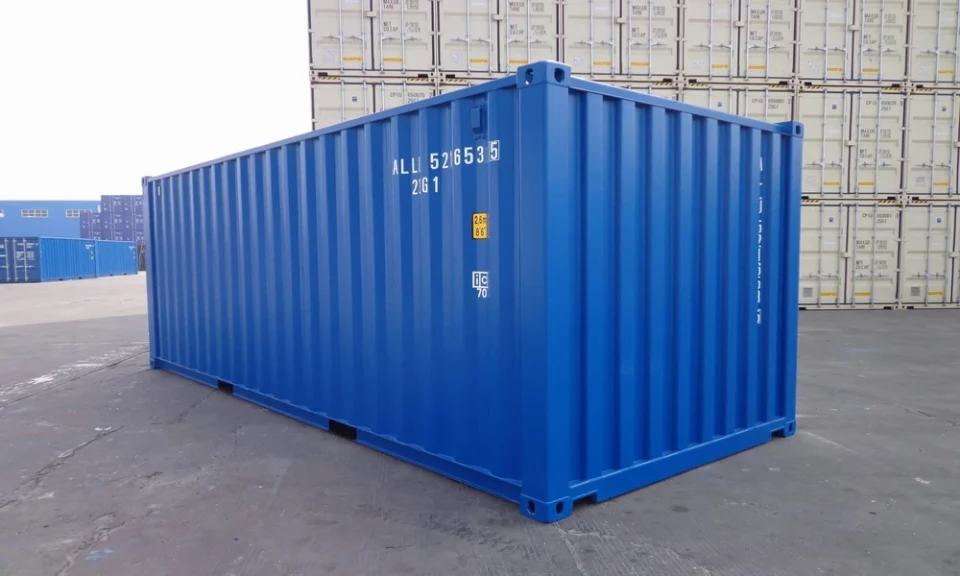
You already know a used container can solve storage needs fast. My goal is to help you avoid mistakes, cut through sales talk, and choose the right unit with confidence. I focus on what matters on site: structure, weatherproofing, access, security, and total cost over time. If you plan to buy a used shipping container, this checklist-style guide will save you time and money.
I keep this advice practical and based on what I look for during an inspection, what often gets missed before delivery, and how to match a container to a property and project. You will leave with a clear plan you can act on today.
Start With Your Use Case and Space
First, define how you will use the container and how you will place it.
- What you will store, and how often you will access it
- How you will load items in and out
- Who needs access and what level of security you need
- Where the container will sit and how much room you have for delivery
Size is the next call.
- 20-foot containers work well for homes, small sites, and tight spaces
- 40-foot containers make sense for farms, ranches, and jobs with bulk storage
- Standard height fits most uses; high-cube options add extra headroom for shelving or tall items
If you plan future add-ons like electrical, shelving, windows, or a roll-up door, note that now. A better starting shell will save you work later.
Know the Common Condition Ratings
Used containers come in a few broad buckets. Ask the seller for the rating and what it means for your unit.
- Wind and Water Tight (WWT): Doors seal, no leaks, good for storage
- Cargo Worthy (CW): Meets shipping standards; often stronger structure and floor, good for heavy loads
- As Is: Priced low, may have leaks or structural issues; use with care
For on-site storage, WWT is the baseline I recommend. If you plan to move it loaded or stack it, consider CW.
How to Inspect a Used Container
If you can see the exact unit before you buy, do it. If not, ask for clear photos and a written condition note. Here is how I inspect a container fast and well.
- Roof: Stand back and look for sagging. On the roof, check for soft spots, patches, and deep dents that can pool water
- Corners and Rails: Look for cracks, bent corner posts, or weld repairs
- Doors: Open and close both doors. Latch rods should turn smoothly. Hinges should be secure. Check the threshold for dents that block the swing
- Seals and Gaskets: Run a hand along the door gaskets to feel for tears or gaps
- Floor: Look for soft spots, delamination, or oil stains. Marine ply should feel solid under foot
- Walls: Expect dents but avoid deep creases that ripple across panels
- Smell Test: Strong chemical odors suggest past cargo you might not want near gear or feed
- Light Test: Close the doors in daylight and look for pinholes in the roof and seams
Note the container number and any plates. Get the exact unit you inspected, not a “unit like this.”
Make Weather and Moisture a Priority
A storage container controls weather well if set up right.
- Raise it off the ground on blocks, railroad ties, or piers for airflow and drainage
- Add vents to limit condensation, especially with swings in temperature
- Use desiccant packs or a basic vapor barrier if you store items that hate moisture
- For workspaces, consider interior insulation and a light-colored roof coating to reduce heat gain
Plan for Security and Access
Good locks start with good hardware.
- Choose a unit with a welded lock box or add one; it shields the padlock from bolt cutters
- Use a high-security puck lock or disc lock
- Keep doors plumb during placement to protect the seals and make latching easier
- If you expect daily access, plan a clear path, lighting, and stable ground at the entrance
Site Prep and Delivery
Make placement easy for the driver and safe for your property.
- Provide stable ground with good drainage
- Clear overhead lines and branches
- For a 20-foot container, give about 70 feet of straight approach
- For a 40-foot container, plan about 100 feet
- Identify the exact spot and door orientation before the truck arrives
If your site is soft or sloped, set blocks at corners and midpoints to support the frame and improve door alignment.
Budget With the Full Picture
Used containers save money, but the lowest sticker price can cost you later. Build a simple budget.
- Container price based on size and condition
- Delivery
- Site prep materials
- Security upgrades
- Venting or moisture control
- Any permits or HOA approvals if needed
Compare used WWT to newer one-trip options if you want a cleaner look or lighter wear. If you only need short-term storage, renting can make sense. MoCan Containers offers 20-foot rentals starting at $150 per month and 40-foot rentals starting at $190 per month, which helps if your project timeline is not fixed.
Why I Recommend MoCan Containers for Montana Buyers
If you live in Montana, MoCan Containers is worth a close look. They are a local, family-run company with yards in Billings and Bozeman, and they let you inspect and select the exact unit you want. That matters for used inventory.
They stock both 20-foot and 40-foot used containers with durable steel construction and weatherproof doors and seals. Units may show paint fade or dents, but they check for secure, lockable storage and structural integrity. If you need more space or specific height, ask about standard and high-cube options.
Delivery is handled with tilt-bed trailers and careful placement across the state. They review site access with you in advance, which helps prevent surprises. If you plan modifications, they offer custom work, from vents and lock boxes to more advanced builds, and they can move containers between sites.
I like that they focus on clear pricing, dependable units, and straightforward service. For buyers who want to choose on site and get the same container delivered, that approach reduces risk.
Quick Decision Checklist
Use this list before you commit.
- Confirm size, height, door orientation, and site placement
- Ask for the condition rating and recent inspection notes
- Walk the roof, test the doors, check seals, and do a light test
- Verify the exact unit number you will receive
- Price out delivery, site prep, lock box, and vents
- Plan the delivery path and ground support
- If unsure, rent first to confirm fit and access
Make Your Choice With Confidence
Pick a container for how you will use it, not just by price. Inspect the unit, plan the site, and make moisture and security part of the setup. If you are in Montana and want a reliable partner, MoCan Containers offers used options you can see first, clear delivery guidance, and support for add-ons that fit real projects.
Follow the steps above and you will end up with a secure, weatherproof container that works for your property from day one.
