
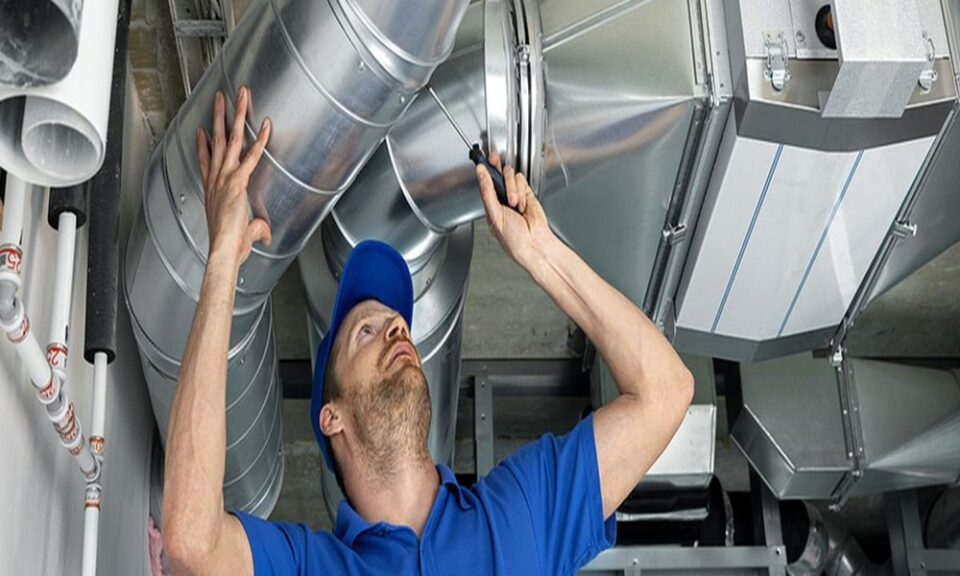
Many older homes, historic properties, garages, additions, and renovated spaces were built without central ductwork, making traditional cooling systems difficult and expensive to install. Homeowners often struggle to find reliable ways to maintain indoor comfort while controlling utility costs. Fortunately, modern energy-efficient cooling systems now provide flexible solutions that improve temperature control, indoor air quality, and overall home efficiency without requiring major structural modifications.
Homeowners considering ductless mini split installation in Paoli, PA, are often searching for cooling systems that combine efficiency, flexibility, and lower operating costs. Ductless systems are becoming increasingly popular because they deliver targeted cooling without energy loss through ductwork. These systems can improve comfort in individual rooms while helping reduce monthly electricity expenses and supporting better energy management throughout the home.
Why Homes Without Ductwork Need Specialized Cooling Solutions
Traditional central air systems rely on ducts to distribute cooled air throughout the property. Homes lacking this infrastructure often face costly renovations if central air installation is attempted.
Challenges of Installing Traditional HVAC Systems
Adding ductwork may require opening walls, modifying ceilings, or sacrificing storage space. Older homes may also struggle with airflow limitations or insulation concerns that reduce efficiency. Specialized cooling systems provide an alternative that avoids invasive remodeling while still delivering dependable performance and indoor comfort.
Common Properties Without Existing Ductwork
- Historic homes
- Older houses
- Home additions
- Converted attics
- Garages and workshops
- Finished basements
These spaces often benefit from flexible cooling technologies.
How Ductless Mini Split Systems Work
Ductless mini split systems use an outdoor compressor connected to one or more indoor air handlers. Refrigerant lines replace bulky ductwork, allowing cooled air to be delivered directly into living spaces.
Key Components of a Mini Split System
Indoor air handlers are mounted on walls or ceilings, while compact outdoor units manage heat transfer. Each indoor unit can typically operate independently, allowing customized temperature control in different rooms. This zoning capability supports improved comfort while helping homeowners reduce unnecessary energy use.
Energy Efficiency Advantages of Ductless Cooling
Energy efficiency is one of the main reasons homeowners choose ductless systems. Traditional ducts can lose cooled air through leaks, reducing HVAC performance and increasing utility bills.
Many homeowners choosing ductless mini split installation in Paoli, PA, are attracted to systems with high Seasonal Energy Efficiency Ratio ratings and advanced inverter technology. These features help regulate compressor speeds based on cooling demand, lowering energy consumption while maintaining stable indoor temperatures and reducing strain on the system.
Energy-Saving Features Include:
- Zoned temperature control
- Reduced air leakage
- Inverter-driven compressors
- Programmable settings
- Smart thermostat compatibility
- Lower standby energy use
These features help support long-term energy savings and home comfort.
Improved Indoor Air Quality and Comfort
Indoor air quality plays a major role in overall comfort and health. Ductless systems often provide cleaner airflow because they avoid dusty or contaminated ductwork commonly found in older HVAC systems.
How Mini Splits Support Cleaner Indoor Air
Many systems include advanced filtration technology that helps capture dust, allergens, and airborne particles. Improved humidity control can also create a fresher indoor environment while reducing mold risks and excess moisture buildup.
Indoor Comfort Benefits
- More consistent room temperatures
- Reduced humidity
- Quieter operation
- Better airflow control
- Customized cooling zones
- Fewer hot and cold spots
These advantages make ductless systems attractive for both residential and light commercial use.
Flexible Cooling for Different Home Layouts
One major benefit of ductless systems is their flexibility across different property styles and room configurations.
Ideal Spaces for Ductless Cooling
Mini split systems work especially well in homes with additions, converted garages, sunrooms, or upstairs spaces that struggle with airflow. They also provide practical solutions for older properties where installing ducts would be expensive or disruptive.
Because each zone can operate independently, homeowners can cool occupied rooms without wasting energy on unused spaces. This targeted cooling approach improves efficiency and comfort simultaneously.
Installation Process and What Homeowners Should Expect
Professional installation is essential for maximizing performance, efficiency, and system lifespan. Proper sizing and placement play critical roles in overall operation.
Typical Installation Steps
Technicians assess room size, insulation quality, electrical capacity, and airflow needs before recommending equipment. Small wall openings allow refrigerant lines and electrical connections to pass between indoor and outdoor units.
Professional Installation Benefits:
- Correct system sizing
- Better energy efficiency
- Warranty protection
- Improved airflow performance
- Safer electrical connections
- Longer equipment lifespan
Working with licensed HVAC professionals helps ensure reliable operation.
Maintenance Tips for Long-Term Performance
Like any HVAC equipment, ductless systems require regular maintenance to maintain efficiency and indoor comfort.
Essential Maintenance Habits
Cleaning filters regularly helps maintain airflow and indoor air quality. Outdoor units should remain free from leaves, dirt, and debris. Seasonal inspections can also identify refrigerant issues or electrical concerns before they become larger problems.
Helpful Maintenance Tips:
- Clean filters monthly
- Keep outdoor units clear
- Schedule annual inspections
- Monitor unusual sounds
- Check drainage lines
- Maintain thermostat settings
Routine care helps reduce repair costs and preserve cooling performance.
Cost Considerations and Long-Term Savings
While ductless systems may involve higher upfront costs than window units, they often provide significant long-term value through energy savings and improved efficiency.
Factors Affecting Installation Costs
System size, number of indoor zones, home layout, and electrical upgrades all influence pricing. However, lower operating expenses and reduced maintenance needs can offset installation costs over time.
Homeowners may also benefit from rebates or incentives for installing energy-efficient HVAC systems, depending on local programs and equipment ratings.
Conclusion
Energy-efficient cooling solutions for homes without ductwork offer homeowners greater flexibility, improved comfort, and lower utility costs. Ductless mini split systems provide targeted temperature control, cleaner indoor air, and reliable performance without requiring major renovations. From older homes and new additions to converted spaces and garages, these systems support modern comfort while maximizing efficiency. With professional installation, regular maintenance, and smart energy management, homeowners can enjoy dependable cooling solutions that improve indoor living conditions and reduce long-term energy expenses.
