
Key Highlights
- Recognise that the presence of mould mites is almost always a secondary symptom of a primary mould infestation.
- Understand how high indoor humidity levels create the perfect breeding ground for both fungi and mites.
- Identify the subtle “moving dust” phenomenon that signals a growing mite population.
- Learn why professional assessment is necessary to find hidden moisture sources behind walls or under flooring.
Introduction
Finding tiny, translucent white specks crawling over your bookshelves or kitchen cabinets can be a distressing experience. These creatures are often mould mites in Singapore, a common but frequently misunderstood pest in our tropical climate. While they do not bite humans or pets, their presence is a significant red flag for a much larger issue. These mites feed exclusively on fungal spores, which means if you have mites, you almost certainly have an active mould colony nearby-even if you can’t see it yet. In a high-humidity environment like ours, ignoring these tiny intruders can lead to structural damage and respiratory issues. Understanding that these mites are messengers of a moisture problem is the first step toward reclaiming a healthy home with the help of a mould specialist in Singapore.
1. The Appearance of “Moving Dust” on Surfaces
One of the most common ways homeowners discover an infestation is by noticing that a layer of dust on a dark surface seems to be shifting. Unlike regular household dust, which remains stationary, mould mites are highly active. If you look closely at a shelf or an electronic device and see hundreds of minute white dots slowly wandering, you are looking at a concentrated mite population. This usually happens in areas where moisture has accumulated, such as near a leaking air conditioner or a window with poor sealing.
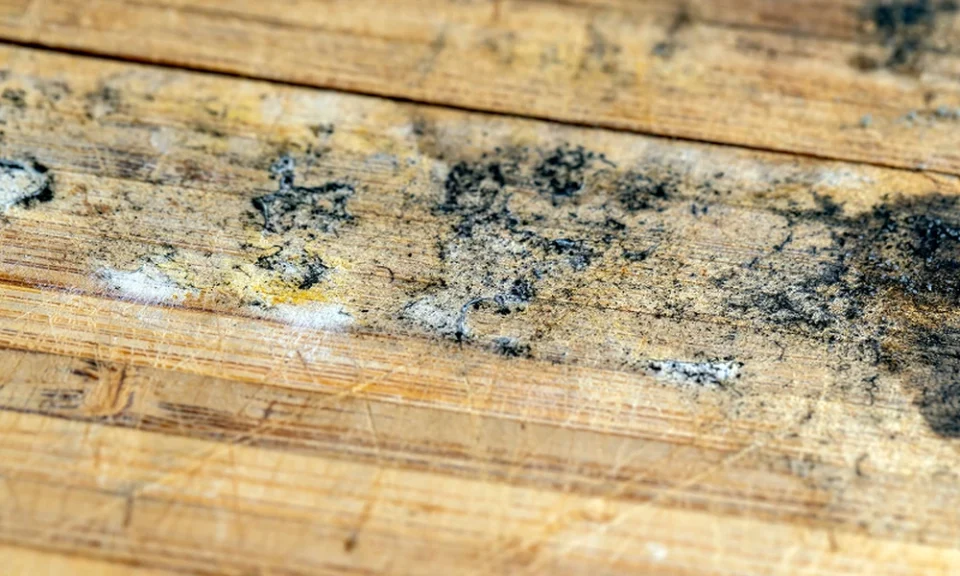
The presence of these mites in such visible numbers suggests that the fungal growth they are feeding on is already well-established. Because mould often grows in dark, hidden crevices, the mites might be the only visible sign that something is wrong. When you see this “moving dust,” it is a clear indication that the local micro-climate has become far too damp. A mould specialist in Singapore can use moisture meters to find exactly where the water is coming from, pinpointing the source of the food supply that is allowing the mites to thrive.
2. Recurring Allergic Reactions Without a Clear Cause
Mould mites themselves are not known to carry diseases, but they are covered in long hairs that can trap and transport mould spores throughout your home. Furthermore, as they live and die, their shed skins and waste products become airborne. For residents with asthma, eczema, or sensitive sinuses, this can trigger a cycle of allergic reactions that seem to persist regardless of how much you clean. If you find yourself sneezing or experiencing itchy eyes in specific rooms, it might not just be the air-it might be the biological activity of the mites and their food source.
Simply using a pesticide to kill the mites will not solve the problem, as the mould spores and the mite remains will still be present in the air. To truly clear the environment, you must address the underlying fungal growth. A mould specialist in Singapore provides the deep cleaning and air purification necessary to remove both the mites and the microscopic spores they feed on. By treating the root cause, you eliminate the allergens that are affecting your family’s health, rather than just masking the symptoms.
3. A Persistent Musty Odour in Dry Areas
Mould has a very distinct, earthy, or “damp sock” smell. However, sometimes this odour is faint or hidden behind the scent of air fresheners. If you notice a musty smell in an area that should be dry-such as a bedroom closet or a pantry-and you also see mould mites in Singapore nearby, the moisture problem is likely advanced. The mites are attracted to the volatile organic compounds (VOCs) that mould emits as it grows. If the smell and the mites are both present, it means the fungus is actively decomposing organic matter, such as the wood of your wardrobe or the paper backing of your drywall.
This combination of signs often points to a “hidden” moisture source, such as a slow pipe leak behind a wall or condensation forming inside a cabinet. Because these areas are poorly ventilated, the humidity remains trapped, creating a self-sustaining ecosystem for fungi and mites. Professional intervention is crucial here because surface cleaning won’t reach the mould growing inside the structural materials. A specialist can help identify if you need structural repairs or enhanced dehumidification to stop the cycle of growth and infestation.
4. Visible Dampness or Discolouration on Walls
While the mites are tiny, the moisture that supports them often leaves larger footprints. If you see bubbling paint, yellowing wallpaper, or dark “tide marks” on your walls, you have a significant water ingress problem. These damp patches are the “farms” where mould mites in Singapore flourish. In many cases, the mites will be concentrated around the edges of these damp spots, where the fungal growth is newest and most nutritious for them.
Using a DIY mould remover might clear the surface temporarily, but if the wall is damp from the inside out, the mould will return within days, followed shortly by the mites. This is a sign that your home’s “envelope” has been compromised. A mould specialist in Singapore can perform a comprehensive audit to determine if the dampness is due to rising damp, rain seepage, or internal plumbing issues. By fixing the moisture problem and professionally treating the affected area, you ensure that the mites lose their food source and their habitat permanently.
Conclusion
Mould mites are more than just a nuisance; they are a biological warning system for your home. Their presence tells you that your indoor environment has become a breeding ground for fungi, which can compromise both your property and your health. By recognising these four signs and understanding the link between mites and moisture, you can take decisive action. Don’t let a small mite problem turn into a major mould crisis.
To eliminate the root cause of your infestation and protect your home, contact Mouldgone today.
