
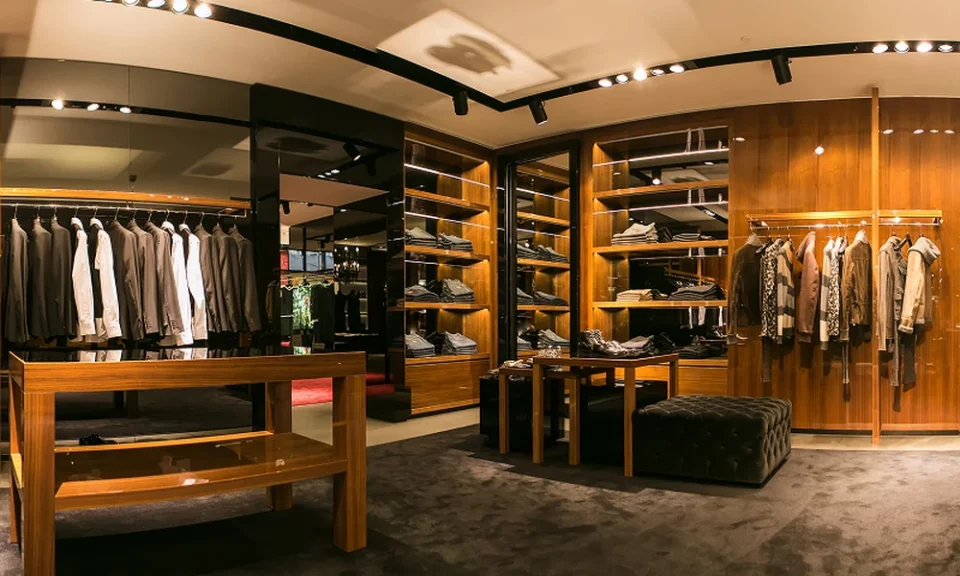
Have you ever walked into a boutique intending to grab a single item, only to emerge forty minutes later with a bag full of unexpected treasures? That is not an accident. It is the result of strategic environment planning. The way a merchant structures a shop subtly guides how shoppers feel, where they walk, and how long they stay. When business owners invest in high-quality interior design for a retail shop, they are not just decorating walls; they are engineering an immersive customer journey.
Every physical layout choice directly shapes consumer psychology. By transforming a bland commercial unit into an engaging destination, brands can effortlessly boost dwell time and drive higher sales.
The Power of First Impressions at the Decompression Zone
The moment a shopper steps through the doorway, they enter what industry experts call the decompression zone. This crucial space, roughly the first ten to fifteen feet of the store, allows visitors to transition from the noisy outside world into your brand’s atmosphere.
If you clutter this area with massive displays, you will overwhelm incoming traffic. Instead, smart store design keeps this space open, inviting, and visually soothing.
When planning interior design for retail stores, designers craft this entrance to slow down foot traffic intentionally. Soft lighting, welcoming scents, and open sightlines encourage visitors to drop their guard. Once customers feel relaxed, they naturally begin to explore the surrounding merchandise rather than rushing through the floor.
Guiding the Journey: The Art of the Store Layout
Did you know that over 90% of consumers naturally turn right after entering a store? Retailers refer to the space directly to the right as the threshold wall, making it prime real estate for high-margin items and new arrivals.
To keep shoppers browsing longer, designers construct clear, intuitive pathing. Rather than letting customers wander, clever spatial planning guides them along a continuous loop.
- The Loop (Racetrack) Layout – Lead shoppers along a defined path around the entire floor, exposing them to maximum product offerings without creating dead ends.
- Focal Points & Accent Walls – Place striking visual features or popular items at the back of the store to draw visitors deeper into the space.
- Strategic Break Points – Group related merchandise into distinct “mini-zones” so shoppers can pause, engage with products, and consider purchases comfortably.
- Spacious Aisles – Maintain comfortable pathway widths to prevent the butt-brush effect, where consumers abandon browsing because someone bumped into them in a tight space.
By removing physical friction, thoughtful interior design for a retail shop creates a seamless flow that keeps customers moving and exploring happily.
Sensory Design: Engaging Lights, Textures, and Sounds
Visual appeal gets people through the door, but multi-sensory experiences keep them inside. Light, sound, and touch directly influence a customer’s internal clock and emotional state.
Harsh fluorescent lights cause fatigue and force shoppers to rush for the exit. Warm, layered illumination, combining ambient overhead lights with focused spotlights on key merchandise, creates an inviting atmosphere. Accent lighting highlights premium items, building a sense of value and interest.
Sound and texture play equally important roles. Soft ambient music matching your target audience’s taste relaxes shoppers, making them lose track of time. Furthermore, introducing natural wood tones, lush greenery, and soft carpets adds tactile warmth. Superior interior design for retail stores blends these sensory elements into a cohesive, comfortable environment that feels less like a sales floor and more like an inviting retreat.
- Warm Layered Lighting – Creates a cosy, premium feel, which reduces fatigue and encourages slow browsing.
- Curated Background Music – Regulates tempo and mood to keep shoppers relaxed and unhurried.
- Tactile Materials & Wood – Enhances perceived product quality and encourages customers to touch and try items.
- Distinct Scenting – Triggers positive emotional memories, increasing overall brand recall and comfort.
Boosting Impulses Near the Checkout
The customer journey ends at the cash wrap, but your design layout still has work to do. A poorly placed, cramped checkout counter leaves a bitter final impression, while a well-integrated payment zone maximises impulse purchases.
Designers often line the queuing area with low-cost, high-appeal accessories or treats. While waiting, shoppers browse these displays, adding last-minute items to their baskets. Furthermore, placing the checkout toward the left or back of the shop ensures that customers complete a full loop before paying, maximising product exposure from start to finish.
Turning Your Vision into Reality
Your physical space is one of your most powerful sales tools. By combining smart layouts, soothing sensory cues, and frictionless pathways, thoughtful store design transforms passive passersby into loyal customers who linger longer and buy more.
Frequently Asked Questions
How does store design directly increase dwell time?
Strategic store layouts eliminate physical friction, control shopper pacing, and offer engaging visual focal points. Comfortable lighting and spacious pathways make visitors feel relaxed, encouraging them to browse longer without feeling rushed.
Why is lighting so important in retail environments?
Lighting sets the mood and draws focus. Proper spotlighting flatters products and guides the customer’s eyes across key displays, while soft ambient light prevents shopping fatigue.
What is the decompression zone?
The decompression zone is the immediate entry space of a store. It allows shoppers to adjust to the indoor atmosphere, drop their stress, and mentally prepare to browse merchandise.
Contact Good View Interiors today to design a store layout that captivates your customers and boosts your bottom line.
