
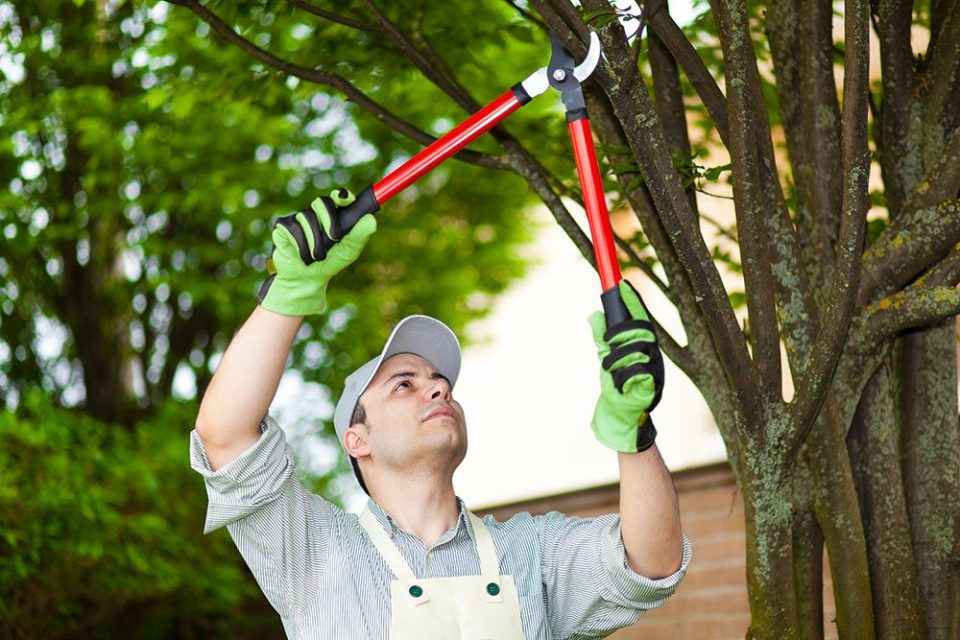
Pruning is the most common intervention people make on a tree and the one most often done badly. The instinct is to shorten what looks too long, which sounds sensible and is almost exactly wrong. Trees do not respond to cutting the way hedges do they seal wounds rather than healing them, and they answer heavy removal with vigorous weak regrowth. Understanding how a tree reacts to a cut is what turns tree pruning from something that damages a specimen into something that genuinely improves it.
How a Tree Responds to a Cut
A tree cannot repair damaged tissue. What it does instead is compart mentalise, walling off the wound with chemical and physical barriers so decay cannot spread inward. Success depends heavily on where the cut lands. The branch collar the slightly swollen ring where a limb meets its parent stem contains the tissue that forms this barrier. Cut just outside it and the tree seals the wound efficiently. Cut flush and you remove the collar, leaving an opening that decay enters freely. Leave a long stub and it dies back, never seals, and rots inward toward the trunk.
Good Reasons to Prune
Every cut should serve a purpose you can state. Removing dead, dying or diseased wood eliminates hazards and reduces infection routes. Taking out branches that cross and rub prevents wounds forming where bark is repeatedly abraded. Clearing growth away from buildings, paths and driveways resolves practical conflicts. Shaping a young tree establishes sound branch structure before problems become permanent. Reducing a heavy limb over a structure lowers leverage and risk. If a proposed cut does not fall into one of these categories, the tree is usually better off without it.
The Practices That Cause Damage
Topping cutting main stems back to stubs to reduce height remains widespread and is genuinely harmful. It removes the foliage the tree needs to feed itself, leaves large wounds that cannot seal, and provokes dense regrowth attached only to the outer wood. Within a few years that regrowth is taller, heavier and far more likely to fail than the original structure. Lion’s tailing, where all interior foliage is stripped leaving tufts at the branch ends, concentrates weight at the tips and increases the chance of limb failure. Both practices look tidy briefly and cause lasting harm. Selective branch removal achieves the same objectives without any of these consequences.
The Three-Cut Method
Any branch too heavy to hold with one hand needs three cuts. First, an undercut on the underside of the limb, perhaps thirty centimetres out from the collar, going about a third of the way through. Second, a top cut a little further out, which lets the branch fall cleanly the undercut stops the bark tearing a strip down the trunk as it goes. Third, remove the remaining stub with a clean cut just outside the collar. Skipping the undercut is the most frequent cause of the long bark wounds you see running down trunks below old cuts.
How Much Is Too Much
The working limit for a healthy mature tree is around a quarter of the living canopy in a single season, and less for older or stressed specimens. Foliage is how a tree produces energy, so removing too much forces it to draw on reserves it may not have. Trees that are already declining, recently transplanted, or affected by root damage should receive only essential deadwood removal until they recover, and where decline is advanced, tree cutting is often safer than repeated reduction. When more reduction is genuinely needed, spreading it across two or three seasons produces a far better outcome than doing it all at once.
Timing and Tools
Species differ, but as a general rule prune when the tree is not under stress avoid periods of drought, extreme heat or heavy flowering and fruiting. Dead and hazardous wood can be removed at any time. Tools should be sharp, because a clean cut seals faster than a crushed one; blunt secateurs mash tissue and extend recovery. Disinfect blades between trees when working around any suspected disease. Wound paints and sealants are not recommended in current practice they trap moisture and interfere with the tree’s own compart mentalisation.
Shaping Young Trees Pays Off Later
The most valuable pruning happens in the first decade. Establishing a single dominant leader, removing competing stems, correcting narrow forks with included bark and spacing scaffold branches evenly are all easy while the wood is small. The same corrections on a mature tree require large cuts, cause significant wounding and may not be possible at all. A few minutes of thoughtful work on a young specimen prevents the structural defects that lead to expensive intervention decades later — and often removes the need for felling altogether.
Knowing Where to Stop
Some work does not belong to a property owner. Anything requiring a ladder or climbing, anything near overhead lines, and any cut over a structure needs a trained crew with rigging equipment and insurance. Trees showing cavities, fungal fruiting bodies, significant deadwood or a recent lean need assessment before pruning, because the right answer may be different work entirely. Where removal is being considered, checking the rules beforehand is essential, since protected trees and locations carry approval requirements and substantial penalties.
Making It Routine
Pruning works best as small regular attention rather than occasional major surgery. Inspecting annually, removing deadwood as it appears and correcting minor defects early keeps trees structurally sound with modest effort. Folding this into a broader tree maintenance schedule means the work is planned, spread across the year and considerably cheaper than reacting to failures.
