

Payment disputes can place even a well-managed construction project under pressure. A delayed progress claim may affect wages, suppliers and the next stage of work. The issue may involve defects, incomplete work, disputed variations or a claim that does not meet the contract. Whatever the cause, delay often narrows the available options. A practical response begins with the contract, project records and applicable law.
Why Construction Payment Disputes Escalate
Most disputes do not begin with a single dramatic event. They build through unclear scope, informal instructions, missing notices, or differing views on whether the work reached a milestone. Variations are a common pressure point. A subcontractor may regard an instruction as additional work, while the head contractor may say it formed part of the original scope.
Incomplete supporting documents make claims harder to assess. Without timesheets, delivery records, photographs or approval emails, each side may rely on a different account while cash flow tightens.
Start With the Contract and the Evidence
The first step is to identify what the contract actually requires. Relevant clauses may cover payment claims, payment schedules, valuation methods, variations, set-offs, defects, retention, suspension and dispute resolution. Parties should also check whether notices must use a particular form, be served on a named person or arrive within a fixed period.

The project file should then be organised into a clear chronology, including the contract, drawings, site instructions, variation requests, claims, schedules, emails, photographs and meeting minutes. Contemporary records are generally more useful than recollections prepared after the relationship breaks down.
Act Before Time Limits Expire
Security-of-payment laws can provide a faster route for recovering progress payments, but the rules are not uniform across the country. Australian Government guidance on laws affecting contracts confirms that every state and territory has its own security-of-payment legislation and that the law generally follows the location of the work.
These regimes can impose short, strict deadlines for claims, schedules and adjudication applications. A missed date or defective notice may materially affect a party’s position. Early advice can identify the applicable legislation, the validity of documents, and the next steps.
Choose a Resolution Path That Fits the Dispute
Not every disagreement should go directly to court. A focused commercial meeting may resolve a valuation issue. A carefully framed letter can isolate disputed items, preserve rights and propose payment of any uncontested amount.
Mediation may suit a dispute involving several claims or an ongoing relationship. It gives the parties a confidential setting to explore a negotiated outcome, although settlement depends on agreement. Adjudication is different. It is a statutory process designed to determine certain progress-payment disputes quickly. For example, the NSW Government’s security-of-payment guidance explains that an adjudicator can determine the amount of a disputed progress payment when the statutory conditions are met.
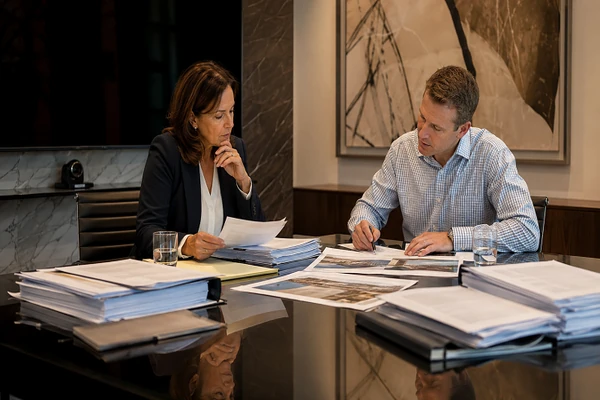
Arbitration or litigation may suit complex contractual issues, substantial damages, final account claims or relief unavailable through adjudication. Likely recovery, cost, project impact and enforceability should guide the decision.
How Early Legal Advice Can Protect the Position
Payment disputes rarely involve the invoice alone. Contract interpretation, statutory rights, service requirements, evidence and strategy may all interact. Engaging Construction lawyers in Australia early can help a party assess the strength of its position before sending a notice, rejecting a claim, suspending work or starting formal proceedings.
Legal review may reveal overlooked risks. A payment schedule may omit reasons later needed in an adjudication response. A variation claim may not follow the agreed process, while an invalid suspension may expose a contractor to a counterclaim. Early review supports decisions based on the whole contract.
Reduce the Risk of the Next Dispute
Good dispute management starts before a claim becomes overdue. Contracts should use clear scopes, practical approval pathways and workable payment procedures. Project teams should, where possible, promptly record verbal directions and price variations before work begins and issue notices through the agreed channels. Claims should explain how the amount was calculated, while payment schedules should identify each reason for withholding money.

Regular contract-register reviews can expose approaching deadlines, unresolved variations and retention releases. These habits cannot prevent every disagreement, but they make issues easier to resolve.
A Clear Way Forward
Construction payment disputes demand speed, accurate records and a measured strategy. The strongest next step will depend on the contract, the state or territory, the value of the claim and the parties’ commercial goals. Baker Merz Lawyers can review the documents, explain the available pathways and help develop a proportionate response. Visit the firm’s website to discuss the payment issue before deadlines or project pressures limit the options.
